In June 2025, Google said it would stop using seven old schema types. Later, in September 2025, Google also removed its reports from Search Console. This change surprised many marketers because these schema types once helped websites show rich results in search.
This Google schema update means one thing: we must focus on what really works now. Google wants clean and honest structured data. It also wants content that matches what people are looking for.
So marketers must shift their plan. Strong SEO best practices matter more. Smart structured data changes matter too. And you need a solid search engine ranking strategy that does not depend on old or unused schema types.
This blog will explain what changed, why it happened, and how you can stay ahead with simple steps that work today.
Why This Google Schema Update Matters Now

This Google schema update matters because it can change how people see your site on Google. When Google removes old schema types, your page may lose some rich results. This means your page may not look special on the search page anymore. Fewer people may click on it.
Google now wants results that match what people truly need. It prioritises clear answers and genuine intent. It only retains the schema that helps users.
This is why marketers need a new plan. You cannot rely on old markup. You must focus on simple, helpful content. You must use clean, structured data that supports the page. Search is moving toward user intent. If you follow this path now, you stay ahead.
What does Google Remove exactly?

Google has decided to phase out support for seven old schemas by 2025. This old schema focuses on achieving results, such as rankings, videos, or viral ads. Google will now remove them from the search results. This change will affect many websites. Marketers need to know what to do next.
Quick List of Schema Types Dropped
Here are the seven schema types that Google no longer supports:
-
Book Actions
-
Course Info
-
ClaimReview
-
Estimated Salary
-
Learning Video
-
Special Announcement
-
Vehicle Listing
Why Google Removed These Types

Google removed these schema types for a few reasons:
-
They were used very little.
-
They gave little value in search results.
-
Some caused confusion or low trust for users.
-
Some were outdated or repeated other information.
The goal is to make search results cleaner and easier for people to understand.
How These Removals Affect Different Industries

The impact is different for each business type.
-
eCommerce sites: May lose rich product or vehicle listings.
-
Local businesses: Special announcements may not show up as highlighted.
-
Publishers and bloggers: commenting on reviews and instructional videos won’t yield results.
-
SaaS or service companies: The library’s information and Book Actions schemas won’t show any change.
Every organisation should evaluate the structured data presented and identify solutions that are still being developed.
How This Impacts Your SEO Strategy Right Now
The lack of these schema types will affect how your website appears on Google. Pages cannot display ads such as logos, videos, or keywords. This makes it difficult to get an idea. Today, marketers must strike a balance between high-quality content, user-friendly content, and sophisticated SEO techniques.
Fewer Automatic Rich Snippets = More Competition
Rich results once made pages stand out easily. Without them, most pages look similar. This makes clicks harder to get. More businesses are competing for the same space. That’s why it is important to improve content, use clear, structured data, and give users what they are looking for.
What Happens to Old Structured Data?

Old schema types do not break your site. They do not cause errors. Google just ignores them. They will not show rich results anymore. It is important to remove or update these old schemas. This will make your site look cleaner and easier to use.
Structured Data isn’t dead – they’re changing
Although Google shuts down some of its schema types, the structured data is still valuable. It will help search engines understand your content. It can make your pages stand out in search results. You don’t need the old schema types to succeed. You just need to use the right ones.
What Structured Data Google Still Prioritises
Google still cares about these schema types:
-
Product — for items you sell
-
Local Business — for shops, restaurants, and services
-
Review — for ratings and testimonials
-
FAQ — for common questions
-
Organisation — for company information
-
Article — for blogs, guides, and news
These schemas can still help your pages show rich results and improve SEO best practices.
Mapping Your Content to New Structured Data Opportunities
You can use the remaining schemas to make your content stronger.
-
Add an FAQ schema to answer common questions.
-
Use the Product schema to show your best items.
-
Include the Review schema to display ratings.
-
Apply the Article schema to blogs or news posts.
Using these schemas the right way helps Google understand your content. It also improves visibility and click chances.
What Marketers Must Refocus On (Core Recommendations)
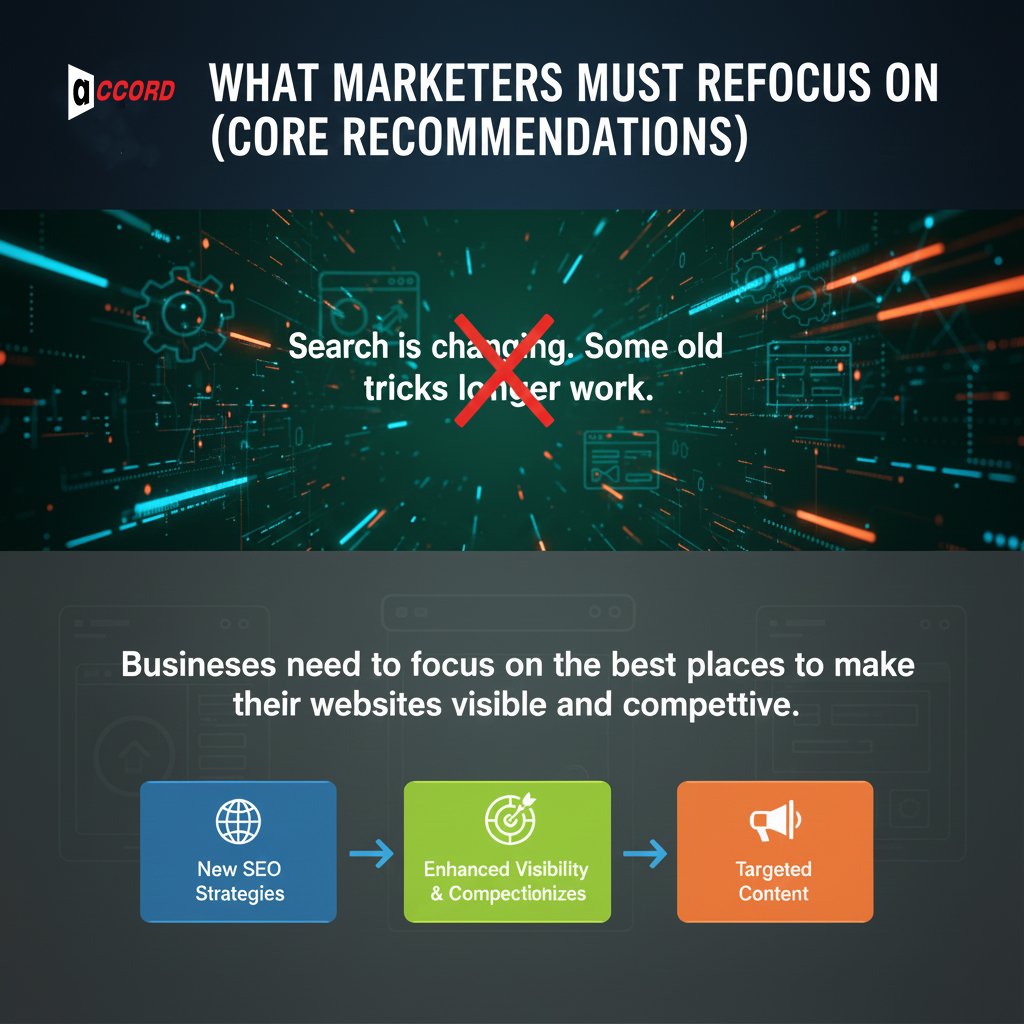
Search is changing. Some old tricks no longer work. Businesses need to focus on the best places to make their websites visible and competitive.
Improve Content Intent Matching
Ensure your content is engaging with people. Consider their questions and concerns. Write content that solves them. This keeps your pages relevant and easier to find.
Strengthen Entity-Based SEO
Google looks for clear names, brands, places, and people in content. This will help them understand the area better. You can add your content to this field so that Google shows it to the right people.
Scroll down to the Technical SEO section.
Check that your site loads fast. Make sure all pages can be crawled and indexed. Fix broken links and organize internal links. A technically healthy site helps all your content perform better.
Better Use of Remaining Schema Types
Use the schema types that still matter. Add Product, FAQ, Review, Local Business, Article, and Organization schemas where they fit. Keep them accurate. They help your pages stand out in search.
Make a more strong search engine ranking plan
Don’t rely on a specific trick or schema. Improve appearance and usability. Diversify some things that would improve your website if Google changes its policy. It makes a future search engine ranking strategy.
A Simple 3-Step Plan to Organize Your Schema Strategy
In 2025, Google will phase out some old schema types. This means that your structured data will need to be optimized in a new way. You can use three types of actions:
Remove, Replace, and Refocus. Follow these steps to see if your page stays visible and useful in search.
|
Step |
What to Do |
Why It Matters |
Example |
|
Remove |
Find old or outdated schema types on your site and take them out. |
Keeps your site clean. Old schemas do not trigger rich results anymore. |
Remove BookAction or LearningVideo schemas from pages. |
|
Replace |
Swap old schemas with ones that Google still supports. |
Helps your pages show rich results. Google understands your content better. |
Use Product, FAQ, Review, Article, LocalBusiness, or Organisation schemas. |
|
Refocus |
Focus on the most useful schemas and strong content. Match it to what users want. |
Supports your SEO best practices and long-term search engine ranking strategy. |
Add FAQ schema for common questions or Product schema to highlight top items. |
Using this type of framework makes the type of knowledge management more flexible and efficient. Your site will rank higher in search results and get more traffic.
Common Mistakes to Avoid After the Google Schema Update
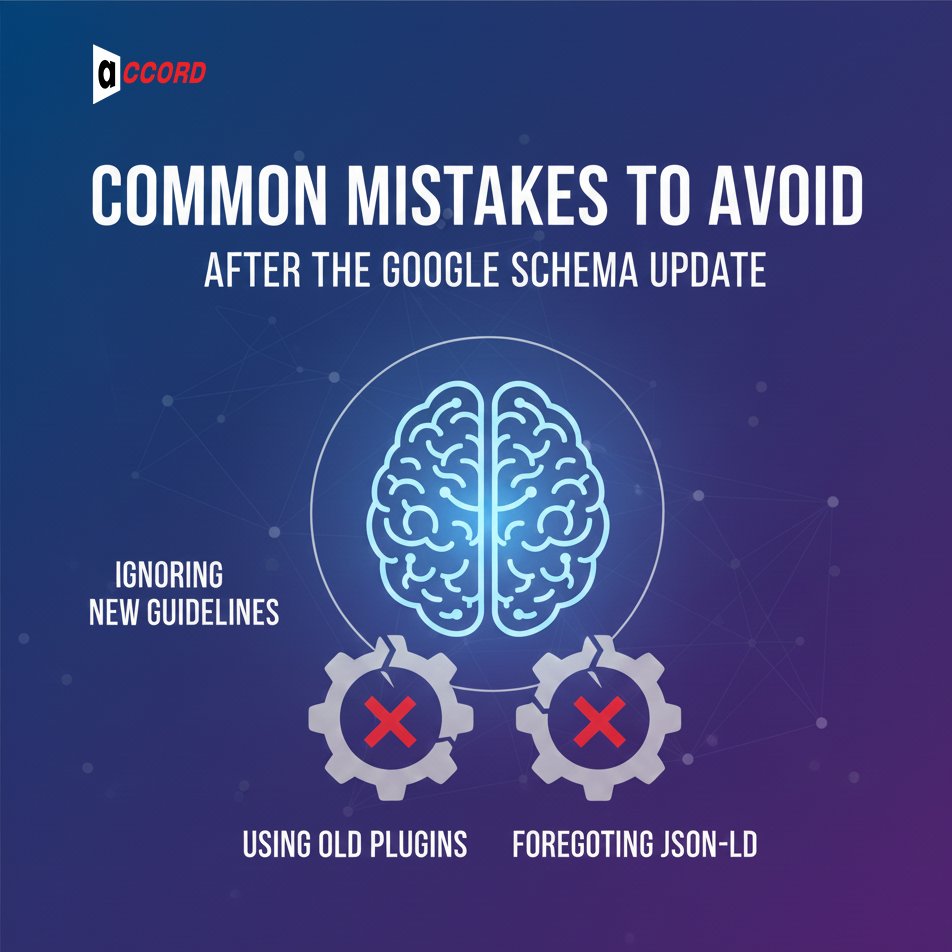
After Google removed some schema types, many websites made the same errors. Avoiding these mistakes will help your pages stay visible and get more clicks.
-
Using Old Schema – Don’t keep schemas that no longer work. They don’t help your site and can make it messy.
-
Ignoring Warnings – Check Search Console for alerts. They show problems with your structured data.
-
Copying Others – Don’t copy other websites’ schemas. What works for them may not fit your content.
-
Forcing Schema – Only add schema that makes sense. Irrelevant markup can confuse users and Google.
-
Not Updating Regularly – Structured data changes over time. Check your site often and update schemas when needed.
Avoiding these mistakes keeps your structured data clean and useful. It also helps your SEO best practices and long-term search engine ranking strategy.
SEO Tips to Follow After the Schema Update

After Google removed some old schema types, it is more important to follow good SEO best practices. These steps help your site stay visible and get more clicks.
-
Audit Structured Data Every Quarter: Check your structured data every few months. Look for old or broken schemas. Fix or remove them. This will make your site look cleaner and easier to use.
-
Keep your Markup clean and to the point: Use only schemas that are relevant to your content. Don’t add anything unnecessary markup. Google wants facts, not numbers. Clean markup will help your site stay secure.
-
Write great user stories, use Schema to Support It: Visualise your content to help people. The schema only helps. It cannot replace useful content. Make your content clear and helpful first.
-
Monitor Search Console for Change: Check Search Console often. Check “Progress” to highlight any errors or warnings. Fix issues instantly. This will make your structured data clear and concise.
Conclusion
Google’s latest privacy changes to structured data highlight an important truth: keeping up with updates matters, but reacting to every change is not a strategy.
The best way is long-term. Focus on a strong SEO strategy that lasts. Make your content clear, helpful, and relevant.
Use the 3 Rs framework: Remove, Replace, and Refocus. This helps your structured data stay up to date and useful. It keeps your pages visible and ready for Google’s changes.
At Accord Tech Solutions, we help businesses grow even when search changes. We guide clients on SEO, structured data, and other digital marketing strategies.
If you want to improve your SEO and stay ahead of Google updates, contact us online or call us at +13073701787 to speak with one of our strategists.