
AI is expanding its reach from generation to generation. If we observe AI from its inception to the present, we can understand the difference in AI.
If I think back 6-7 years, people couldn't think of AI. However, now those people cannot complete any of their tasks without the aid of AI. The difference is that AI will expand its reach further as time goes by.
If AI has expanded its power in any field more than anything, it is digital marketing. A dynamic mix of user-centric design and data-driven accuracy will be the driving force behind digital marketing in 2026 through AI. To succeed, marketers must adapt to evolving technology and consumer expectations. In this article, we will discuss 33 digital marketing trends that will skyrocket your strategy in 2026, which will help you create a strategy fit for the future.
📖 Related: How AI-Driven Search Optimization Is Redefining Digital Marketing in 2026 | The Future of Marketing Isn't Humans vs AI — It's Humans With AI
SEO Trends
1. Optimize for AI and New Search Trends
AI-driven search engines, chatbots, and voice assistants are redefining content discovery. Latest SEO strategies ensure your content ranks across these diverse platforms.
To be effective, structured content needs clear insights, clear answers, and contextual information that AI systems can easily understand. AI uses schema markup and natural language to influence how questions are answered.
For example, the search phrase "best laptop for a student" appears in AI-generated answers. Visibility on sites like Google's AI Overview or ChatGPT is a key measure of performance in AI-powered search. The traditional method of keyword stuffing is no longer sufficient — contextual relevance is what wins.
2. Next-Search Optimization
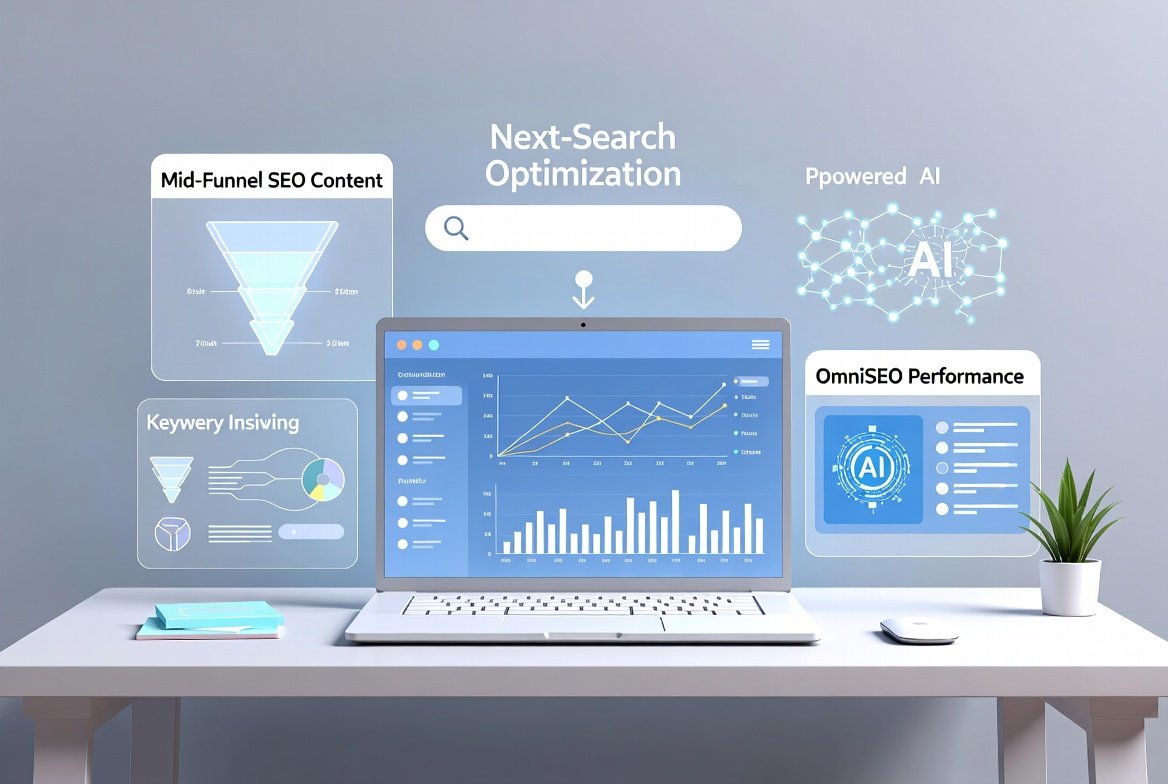
Next-search can be improved by considering questions users ask after their initial search. Now, AI algorithms are working to predict the "next search."
For example, a searcher for "how to start a blog" might next search for "best blogging sites." Users can interact with relevant topics by creating content clusters that address these follow-up questions.
Use predictive analytics and AI tools to identify the most frequently asked questions in your industry. These capabilities include creating keywords and FAQs. This approach not only improves SEO but also improves the user experience by narrowing down search results. Track page depth and time spent as part of your metrics to ensure your content meets your goals.
3. Mid-Funnel SEO Content
Mid-funnel content creates a way to understand emotions, share information, and influence people. Unlike top-of-funnel content that drives traffic or bottom-of-funnel content that drives sales, the middle of the funnel is based on education and trust.
Consider articles, comparisons, or case studies that address user problems and highlight your benefits. For example, SaaS companies can create guides that answer questions like "CRM vs ERP solutions" while showcasing their software.
Keywords and embedded links take users to conversion pages. Optimize CTAs to avoid confusion. Analytics tools like Google Search Console can help identify high-intent queries that drive engagement and leads.
📖 Related: AI SEO Performance Measurement: Is Your Brand Fading into the Shadows in 2026? | SEO Isn't Dead in 2026 — But This Is What's Actually Ranking
Content Marketing Trends
4. Redefining Content Success in the Age of AI Search
User engagement in AI search corresponds to a reduction in traditional search metrics. What now matters is quality, relevance, and how well content satisfies user intent. High-quality content tailored to the user's actual needs — whether informational or transactional — performs best.
For example, a travel company might create a detailed guide on "travel insurance in 2026" targeted at frequent travelers. AI algorithms analyze such data and build predictive models around it. By avoiding keyword stuffing, AI systems favor content that humans genuinely find useful.
Use tools like Hotjar to monitor user behavior and ensure content resonates. This shift requires a focus on quality and prioritizing the long-term retention of users.
5. Tracking Brand Visibility in AI Platforms
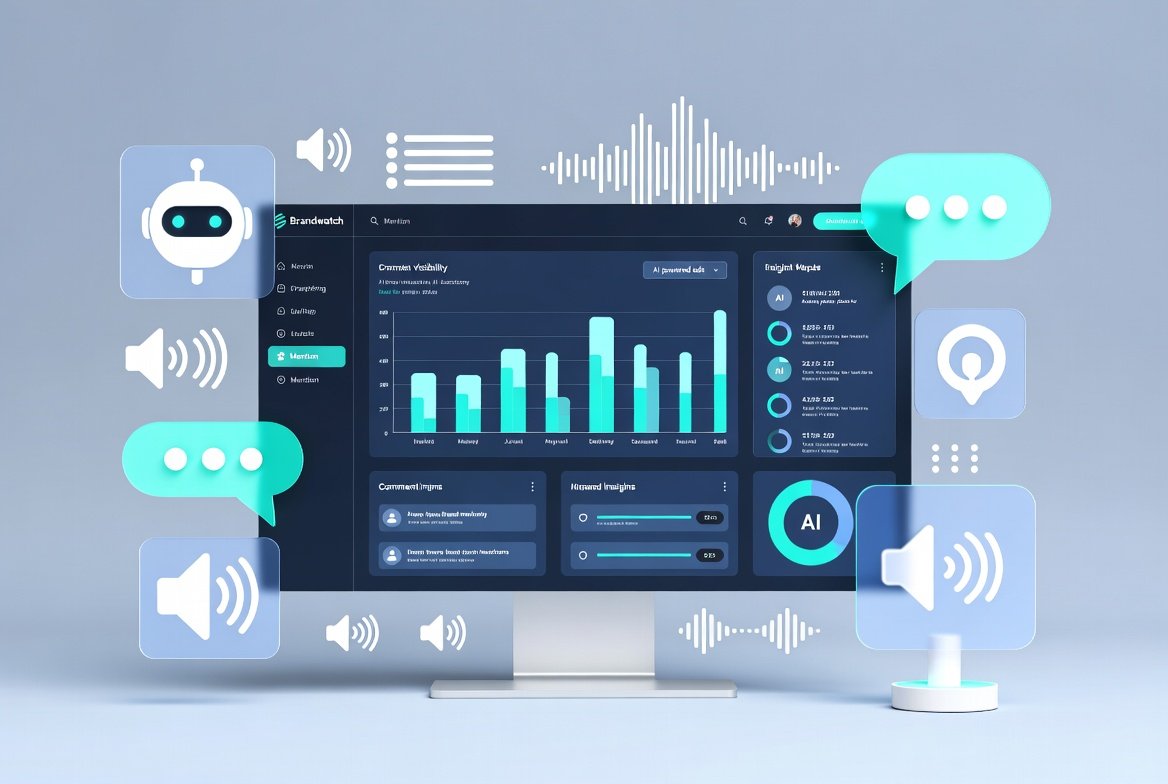
AI platforms such as chatbots and virtual assistants are replacing traditional methods of brand monitoring. Use tools like Brandwatch or Mention to track comments and conversations in an AI-driven way.
For example, if your brand is referenced in AI-powered responses like those from Alexa or ChatGPT, track that content and address it accordingly. AI improves efficiency by processing large data sets and providing quick answers to frequently asked questions.
Also, use social listening to estimate how AI platforms represent your brand in conversations. This approach ensures your brand maintains dynamic visibility across the AI ecosystem.
6. Scaling AI Content Creation with Human Insights
AI tools like Jasper or Copy.ai can accelerate content production, but human expertise ensures accuracy, tone, and relevance. Use AI to outline blog posts, emails, or documents, then refine them to match your brand's personality and style.
For example, an AI-generated product description can be a solid starting point — a skilled editor then adds context and brand voice. Training AI models with your market data is essential for better performance over time. Measure success through engagement metrics and user feedback to ensure the AI output is working for your audience.
Video Trends

7. AI-Powered Video Production
AI tools like Synthesia and Runway can edit video through text prompts, add effects, and even generate voiceovers. These platforms help businesses produce high-quality video without expensive equipment.
Small businesses, for example, can use AI-powered tools to create product showcase videos and promotional content quickly. Different video lengths — 15 seconds for TikTok, 2 minutes for YouTube — require different approaches, and AI makes this adaptation easier. Experiment with formats and always measure results against your audience's preferences.
8. Authenticity as the Differentiator
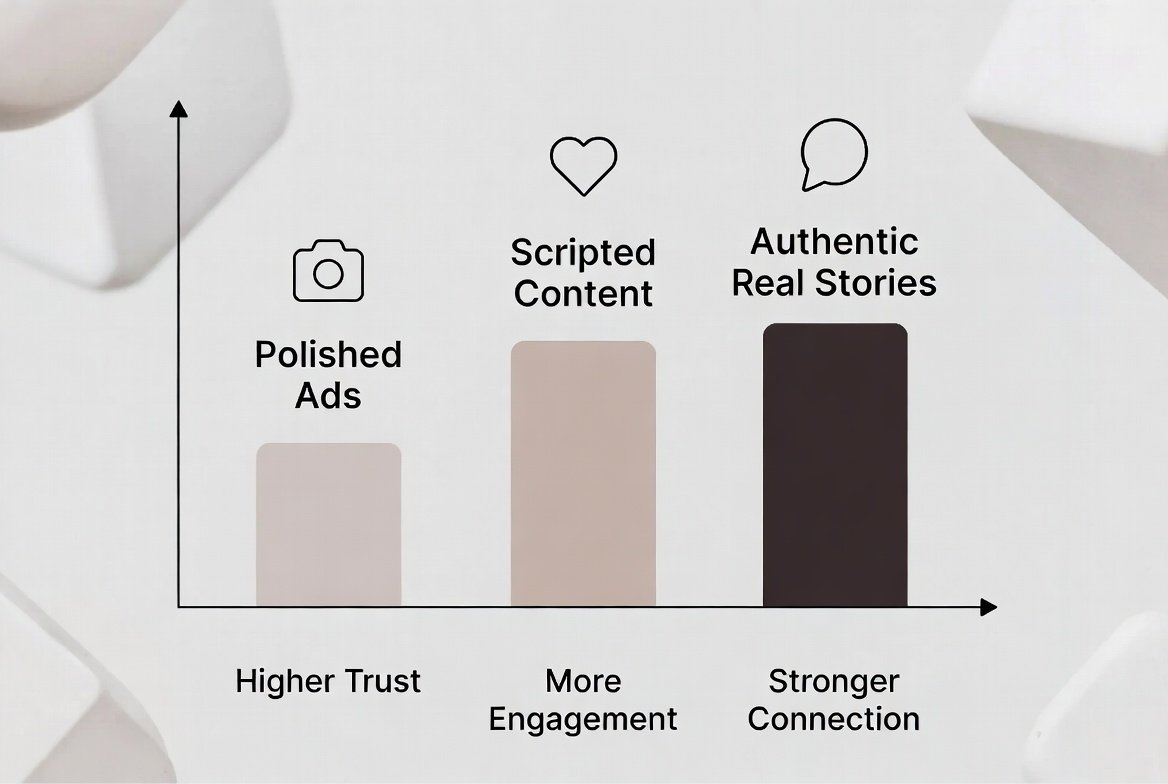
In a world full of polished content, real stories stand out. People connect with honesty. They like behind-the-scenes videos and customer stories that show true experiences. This builds trust.
Avoid content that feels too scripted. Show real employees or share user-generated content. This makes your brand feel human. On platforms like Instagram Reels, raw and relatable videos often perform better than highly produced ads.
Use analytics to see what resonates best. A genuine story or a simple truth can create a stronger connection than a perfect production. Create authentic, believable videos that help your audience feel more connected to your brand.
9. Video Metadata as SEO Fuel
Video metadata — titles, descriptions, and tags — is critical for discoverability on YouTube and other search engines. Use proper keywords in your video titles. For example, "How to use [product] to grow your business" is more searchable than a vague title.
Add timestamps and closed captions to help search engines understand your content. For instance, a cooking channel can tag recipes with ingredients and cuisine types. Tools like TubeBuddy can analyze keywords and help you create optimized metadata. Subtitles also make videos more accessible. Track click-through rates and rankings to measure the impact of your metadata strategy.
Paid Media and Growth Trends
10. First-Party Data Powers AI Campaigns
With third-party cookies going away, first-party data is more important than ever. Collect data from your website, CRM, or customer surveys. This helps you understand your users better.
You can use this data to show the right ads to the right people. For example, an online store can show ads to people who left items in their cart. Always follow privacy regulations like GDPR. Use analytics to see what works and continuously improve your ad targeting. Strong first-party data helps your campaigns reach the right audience and get better results.
11. Intent Over Keywords
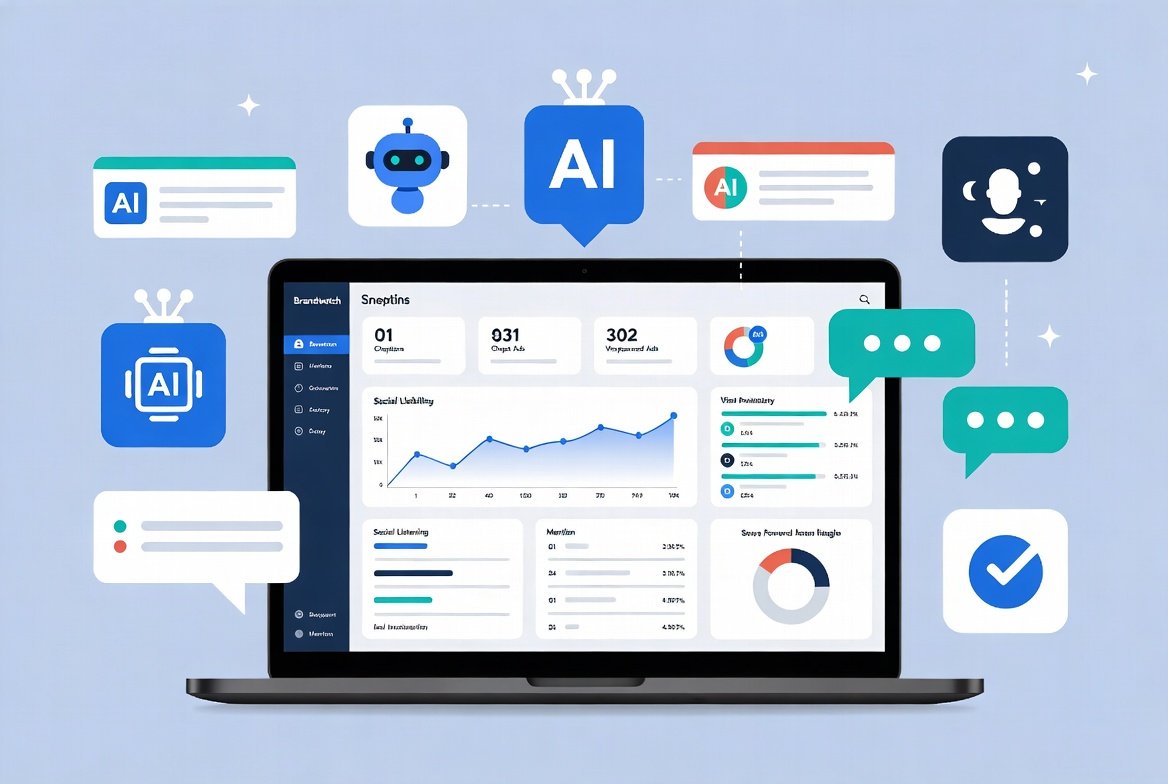
AI-powered PPC is no longer just about keywords — it focuses on what people really want. Instead of using a broad phrase like "shoes," use phrases like "good running shoes for wide feet." Look for search intent that reveals real user problems.
For example, a travel company offering "cheap family tours" should target intent signals, not just keywords. A/B test with different ad copy to see what drives the best results. Track clicks, conversions, and sales to measure performance. The key is to understand your target audience and show them ads that genuinely resonate with their needs.
12. Video Assets Drive PPC Performance
Video ads generate more views and clicks than standard display ads. Platforms like Google Ads and LinkedIn give significant reach to video content. Create short videos — 15 to 30 seconds — that demonstrate product benefits or tell customer stories.
For example, a healthcare device company can quickly display how their product works with a short video demonstration. Experiment with different video styles to see what resonates with your audience. Track views, clicks, and sales conversions for each video. Investing in video content is now a key driver of paid media success.
Social Advertising Trends
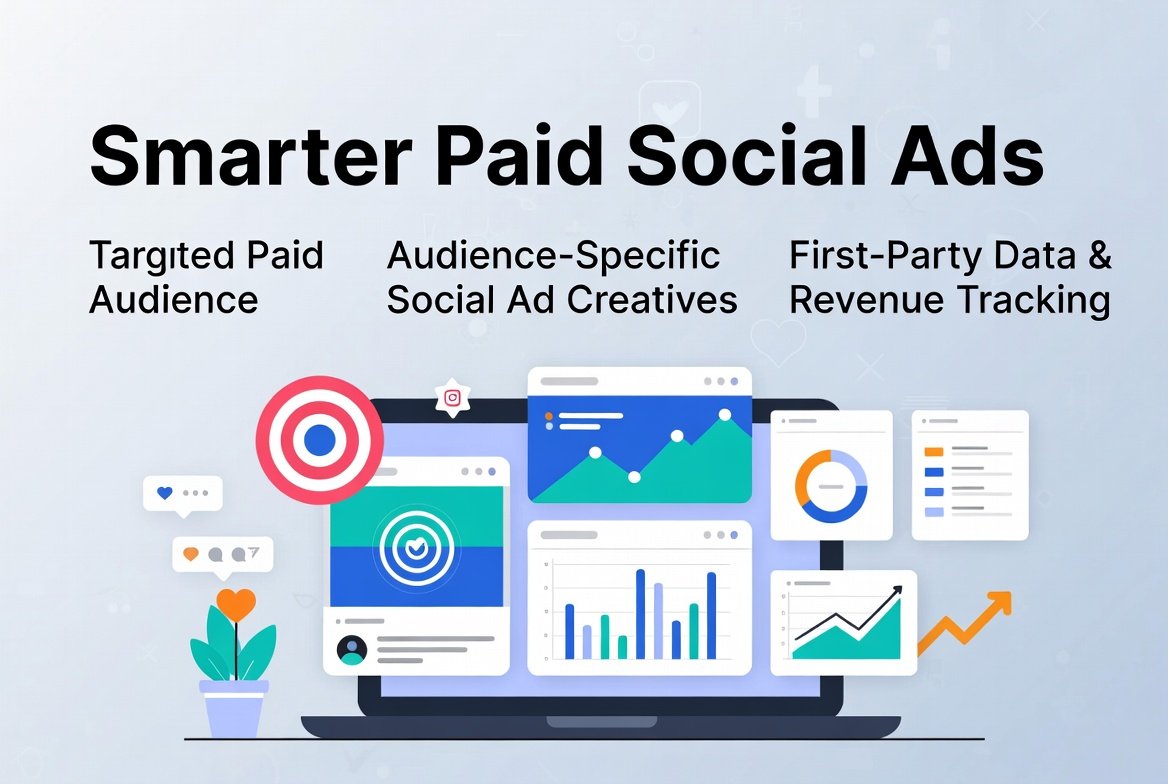
13. Smarter Paid Social Ads
Paid social works better when you automate ad creation, targeting, and budget management. Tools like Meta's Advantage+ make it easy to adjust campaigns in real time. For example, online stores can show users ads personalized to their browsing history and past purchases.
Use your customer data to tailor ad creatives. Experiment with different formats and track return on ad spend to measure performance. Automation helps campaigns reach more people while staying precise and cost-effective.
14. Audience-Specific Social Ad Creatives
Generic marketing no longer works. Create ads tailored to each audience segment, such as millennials vs Gen Z. Experiment with images, copy, and tone to find what performs best.
For instance, beauty brands might use lighter, softer visuals for younger audiences and a more sophisticated aesthetic for older demographics. Monitor social media data to see what's trending and adjust your campaigns accordingly. The goal is to reach each group with messages that feel personally relevant.
15. First-Party Data and Revenue Tracking
Use your own customer data to track ad results accurately. Connect your CRM to platforms like Facebook Ads to see which ads directly lead to purchases.
For example, an online store can track Instagram ad conversions to measure true ROI. Build reports that link ad performance directly to revenue outcomes. Always follow privacy regulations to maintain customer trust. Strong first-party data leads to smarter campaigns and more justified ad spend.
Website and UX Trends
16. Predictive UX for Smooth Journeys
Predictive UX helps users find what they need faster. For example, an online store can suggest products based on what a user recently viewed or identify friction points at checkout.
Use AI-powered tools to adjust page layouts in real time based on user behavior. Make sure your site works well across all devices. Test changes and track bounce rates and conversions to see what improves the experience. The goal is a smooth, intuitive journey for every visitor.
17. Designing for Cognitive Inclusion
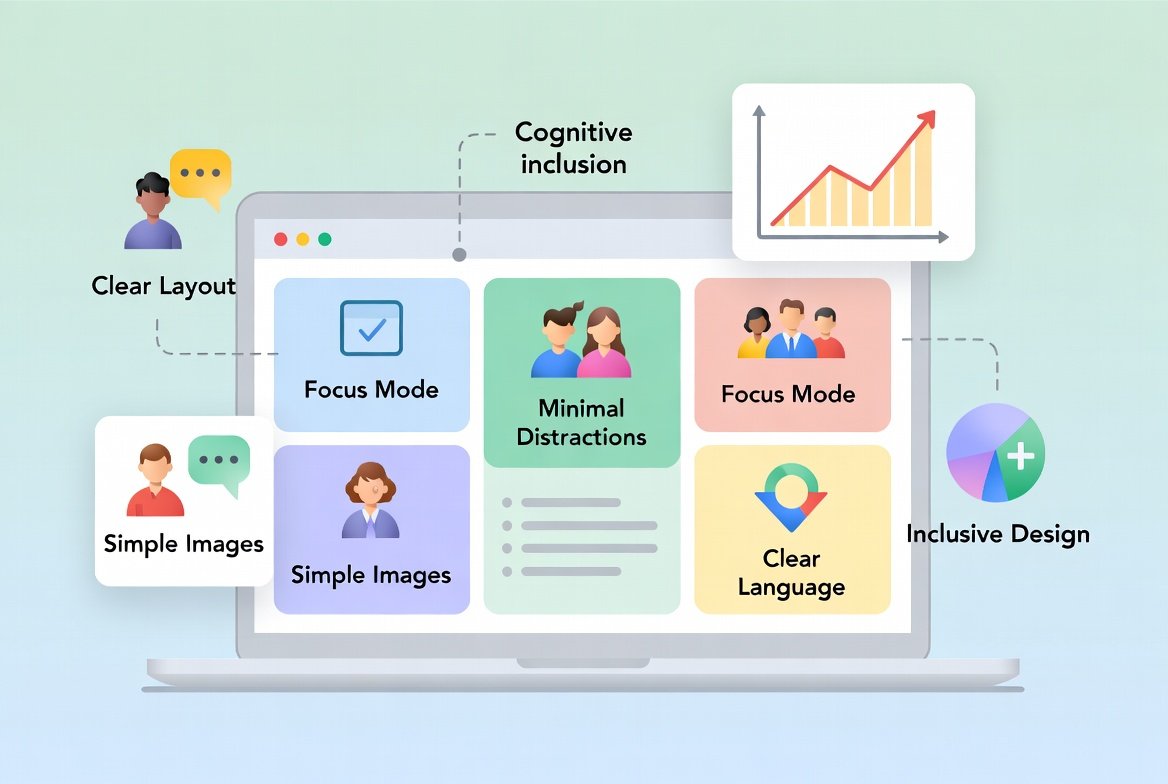
Inclusive website design serves everyone — including users with ADHD or autism. Use clear imagery, simple language, and a well-organized structure to reduce cognitive load.
For example, a "focus mode" toggle can minimize distractions for users who need it. Follow accessibility guidelines and test your designs with a diverse range of users. Inclusive design not only broadens your audience but also promotes a more positive brand perception.
18. Conversational Interfaces for Navigation
Chatbots and voice search are replacing traditional navigation menus. Use conversational tools to guide users with natural language. For example, a retail site can let visitors type or speak their queries to find products quickly.
Make sure your chatbot is intuitive and covers the most common user questions. Track metrics like chatbot resolution rate and downstream conversion rates to measure effectiveness. This trend is reshaping how users explore and interact with websites.
📖 Related: Your Website Isn't Broken, It's Just Built for the Wrong Buyer in 2026 | High-Converting Websites in 2026: What Businesses Must Include
CRO Trends
19. Data Continuity is Non-Negotiable
Ensure data flows seamlessly across all stages of the customer journey. Integrate analytics tools like Google Analytics 4 and your CRM with advertising platforms to create a more complete picture of your customer.
For example, tracking a user's journey from an ad click all the way through to a purchase reveals exactly where conversions happen — and where they don't. Use APIs for real-time data syncing and regularly monitor funnel drop-offs to identify and fix friction points. Fixing these gaps is key to improving conversion rates.
20. Visual Storytelling Drives Action
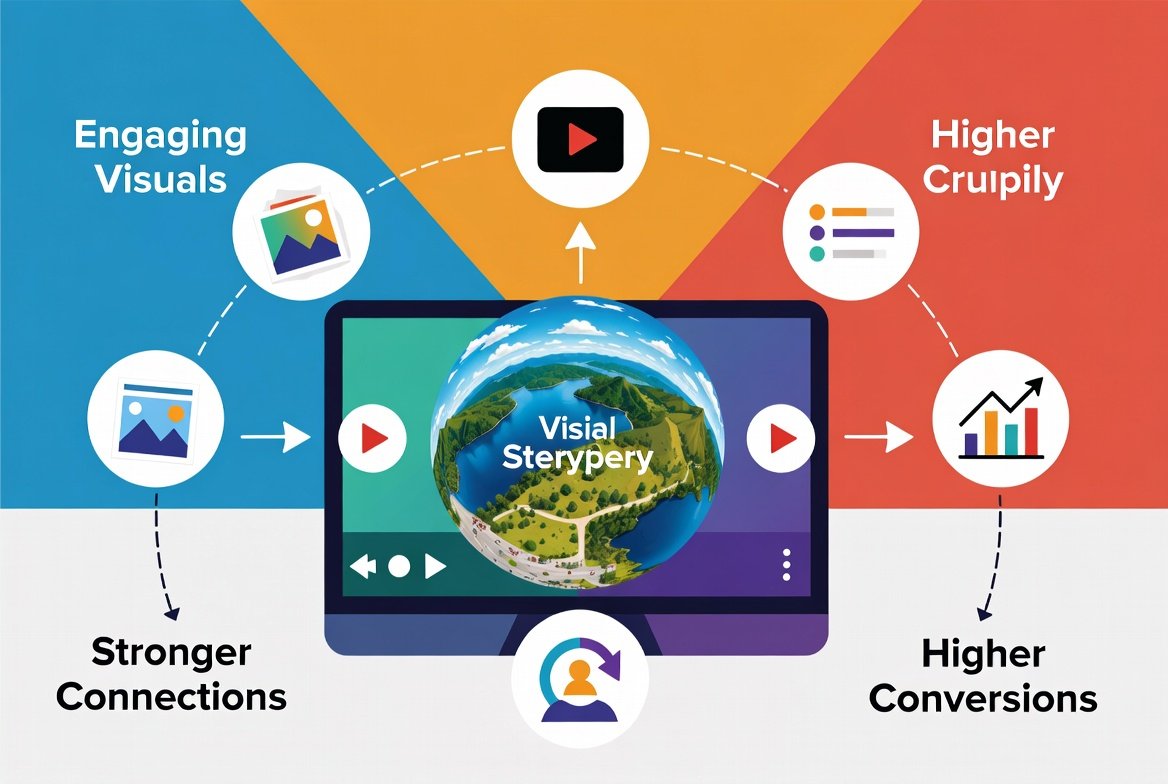
Strong visuals catch attention and increase conversions. For example, a travel site showing a 360-degree video of a destination creates a far more compelling experience than a static image.
Create eye-catching photos and videos that support your brand narrative. A/B test different visual approaches and track time-on-page and conversion metrics to see what works. Compelling storytelling helps users emotionally connect with your brand — and that connection drives action.
21. Personalized Landing Pages and Ads
Serve optimized landing pages based on the specific ad or audience segment a visitor came from. For example, show a targeted page to people searching for "cheap winter clothes" that matches that exact intent.
Experiment with different page variations and ensure your content is consistent with the ad that brought the visitor there. Track click-through rates and conversion rates for each variation. Relevance and transparency build trust — and trust converts.
Lead Nurture and Retention Trends
22. Consent and Preference Management
Privacy regulations like GDPR mean users need real control over their data and communication preferences. Let them choose how often they receive emails and what type of content they see. For example, offer a preference center that allows subscribers to select weekly newsletters or product updates.
Use preference management tools to keep this data organized. Emails that match user interests consistently get more engagement. Track opt-in rates and unsubscribes to measure how well your approach is working. Giving users genuine choice builds long-term trust and loyalty.
23. AI-Driven Personalization at Scale
AI tailors emails to each person based on past purchases, browsing history, or content preferences. For example, send a targeted discount for items a user left in their cart. Use dynamic content tools that automatically adjust messaging for each recipient.
Test subject lines and message formats to see what drives the best results. Track opens, clicks, and purchases to measure success. Personalized emails feel relevant and encourage action — without requiring extra manual work from your team.
24. Inbox Interactivity
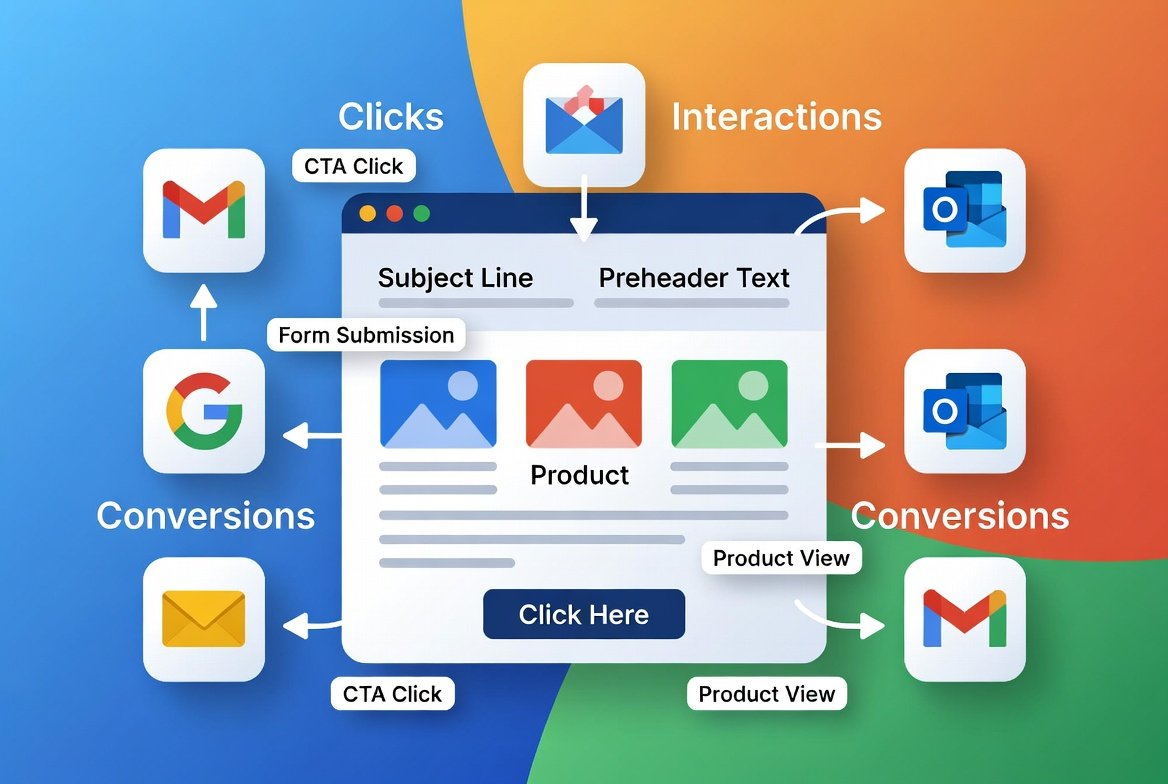
Interactive emails drive more engagement. Use carousels, polls, or embedded forms that users can interact with directly in their inbox. For example, a retailer can include a product carousel in an email so users can browse without leaving their inbox.
Test your interactive emails across clients like Gmail and Outlook to ensure compatibility. Track clicks, interactions, and downstream conversions to understand what resonates. Interactive emails reduce friction and keep users more engaged with your brand.
25. CRMs: From Storage to Lead Creation
Modern CRMs now do far more than store contact data — they actively help identify and create new leads. Use lead scoring to track where each contact sits in the buying journey and prioritize outreach accordingly.
Integrate your CRM with your marketing automation tools so follow-ups happen at the right time without manual intervention. Track lead-to-customer conversion rates to measure success. Smart CRM usage is a direct driver of pipeline growth and sales efficiency.
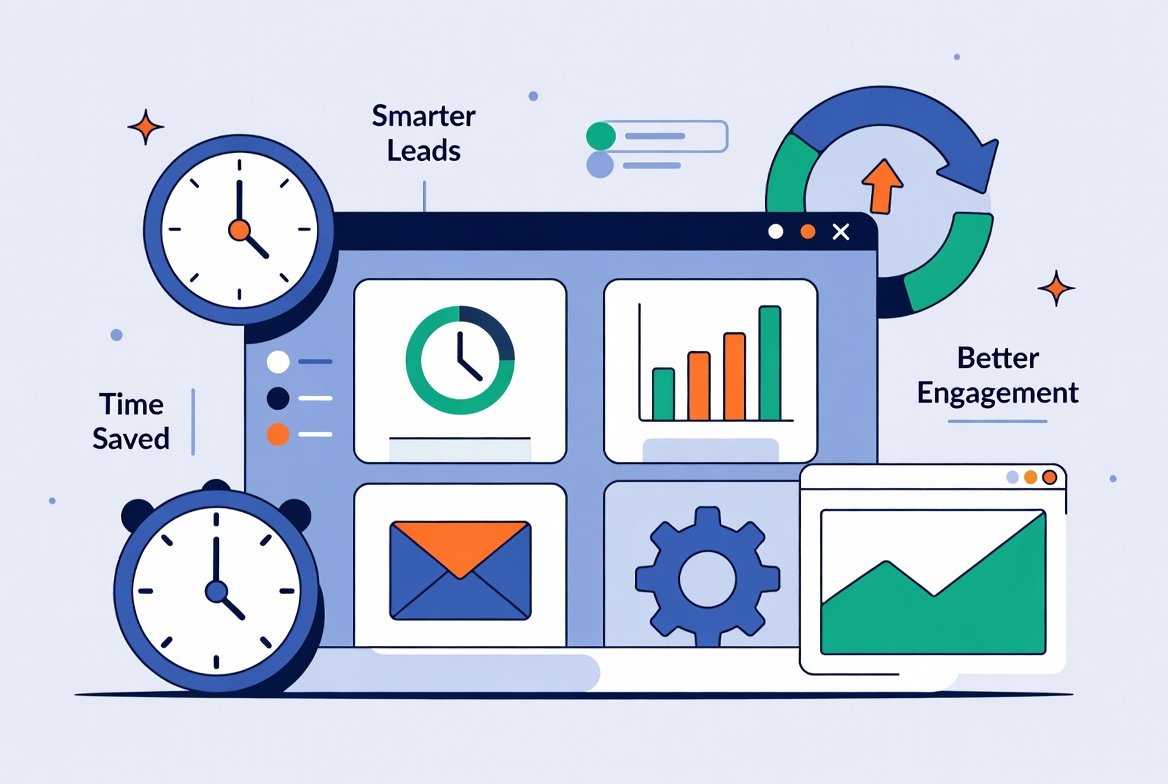
26. Productivity in CRMs With AI
AI automates repetitive CRM tasks like data entry, lead scoring, and scheduling follow-ups. For example, some platforms suggest the optimal time to send emails based on each contact's engagement history.
This frees your team to focus on strategy and building real relationships. Use historical data to continuously improve AI suggestions. Track time saved and lead response rates to measure the impact. Smarter CRMs help teams reach more people without sacrificing quality.
27. Omnichannel Communication Hubs
Today's CRMs bring email, social media, SMS, and live chat into a single platform. For example, a customer might start a conversation on LinkedIn and follow it up via email — both captured and tracked in the same CRM record.
Ensure all communication is consistent across channels. Test your setup to avoid gaps or duplicate messaging. Track engagement across each channel to understand where your audience is most active. This creates seamless customer journeys that improve satisfaction and long-term loyalty.
📖 Related: Top 15 CRM Strategies to Increase Sales and Customer Retention | What are the Best Email Marketing Practices for 2026?
Marketing Tech Trends
28. First-Party Data Integrations
Connect first-party data across your marketing tools to get a complete view of each customer. For example, sync website behavior data with your CRM and ad platforms to run truly personalized campaigns.
Use data management platforms to control data flow and always follow privacy regulations. Test integrations to prevent data silos from forming. Track campaign attribution and overall results to measure success. Unified data creates consistent, personalized experiences that boost both engagement and revenue.
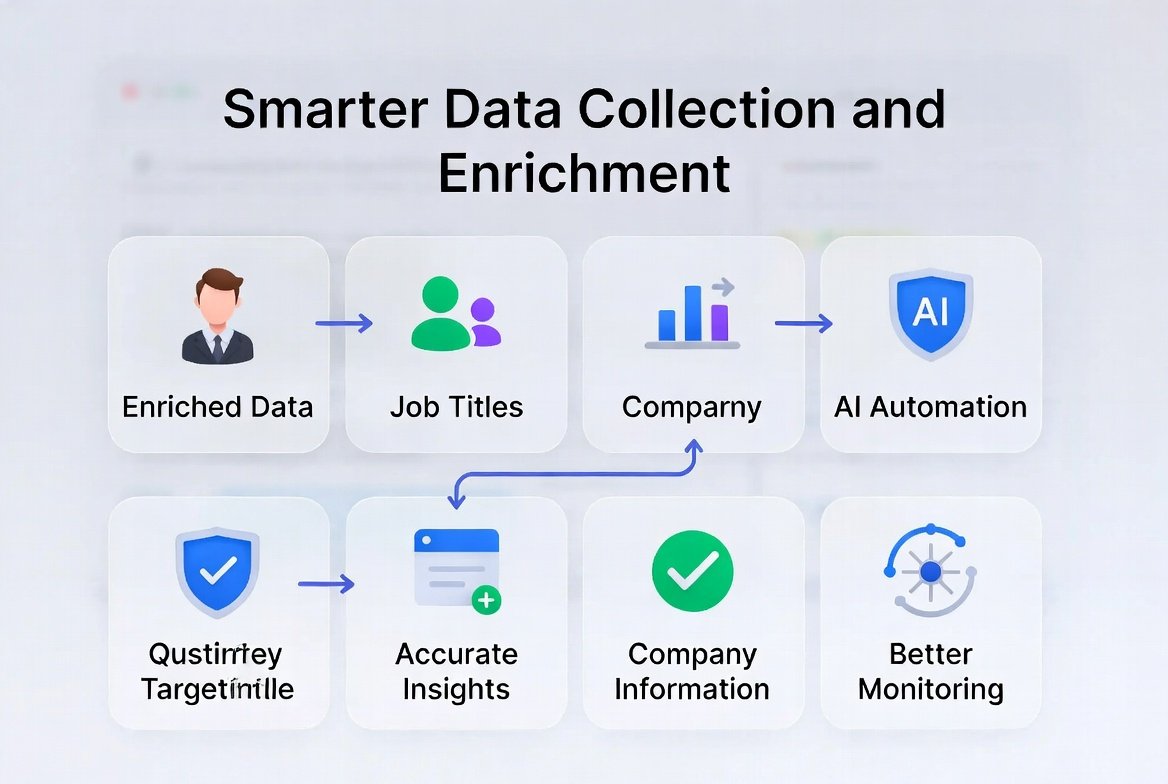
29. Smarter Data Collection and Enrichment
Use data enrichment tools to fill in missing customer information automatically. For instance, platforms can add job titles or company profiles to contact records without manual input.
Consider progressive profiling — collecting additional data over time rather than asking for everything upfront. Always follow privacy policies when collecting data. Monitor data quality and completeness over time. Richer, more accurate data enables sharper targeting and more effective personalization in your marketing campaigns.
30. Data-Driven Growth with Integrations
Connect your CRM, analytics tools, and ad platforms for real-time insights that drive faster decisions. For example, linking Google Analytics with Meta Ads instantly shows which campaigns are driving the most valuable traffic.
Use APIs to sync tools and minimize data delays. Regularly test connections to ensure everything is working correctly. Track ROI and data sync speed to measure success. Tight integrations allow marketers to make fast, informed decisions and scale results efficiently.
Automation and Reporting Trends

31. Beyond Clicks: TOFU Metrics Matter
Top-of-funnel (TOFU) metrics focus on brand awareness and early engagement. Monitor engagement rates, social sharing, and audience sentiment to understand how well your awareness campaigns are performing.
For example, track branded hashtag performance on X (formerly Twitter) to gauge relevance. Use advanced attribution models to connect TOFU efforts to downstream revenue. This approach provides solid evidence of sustainable brand growth — not just short-term click volume.
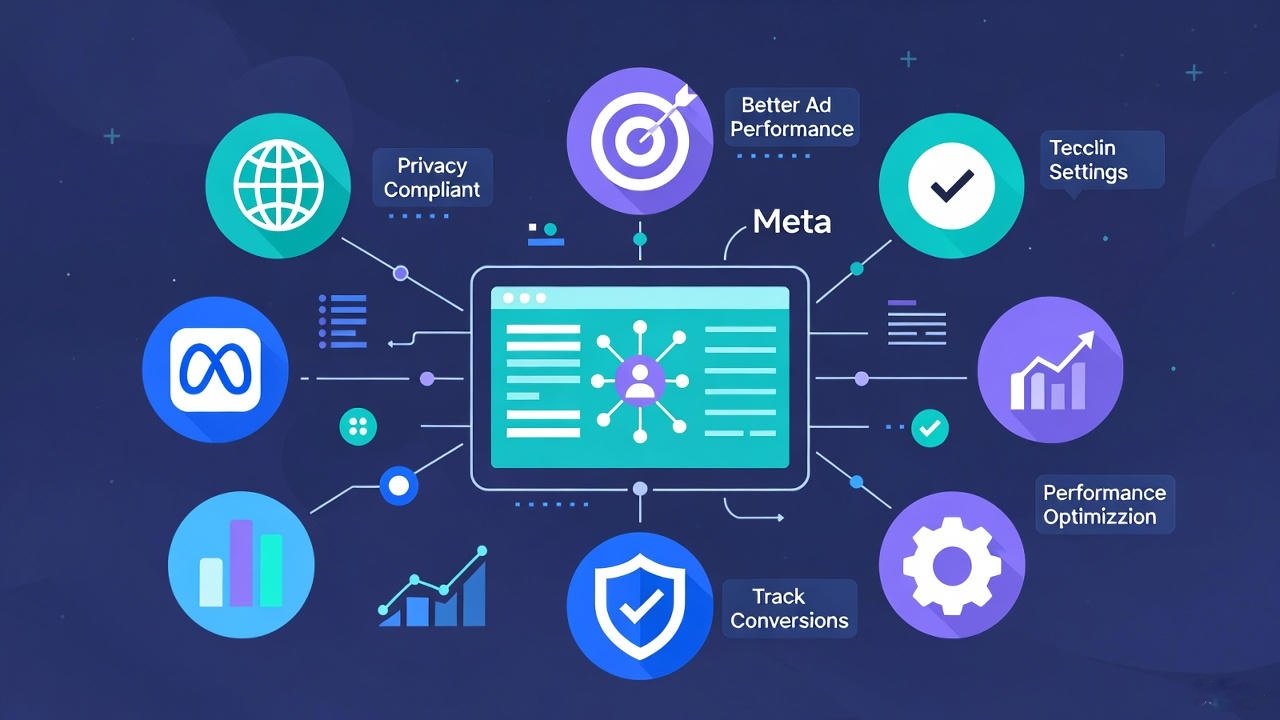
32. Conversion APIs Are Essential
Conversion APIs help track user activity accurately without relying on third-party cookies. For example, Meta's Conversions API captures conversion events server-side, improving data reliability across all campaign types.
Connect your website and ad platforms to collect clean, first-party conversion data. Regularly audit your API setup to prevent data gaps. Measure conversion rates and data match rates to track progress. Using Conversion APIs protects your data quality and significantly improves ad targeting accuracy.
33. Reputation Matters for Rankings
Your online reputation directly affects search visibility and AI citation frequency. Positive reviews, social mentions, and consistent positive feedback help your brand appear more prominently across search and AI platforms.
Use reputation management tools to monitor visibility across channels. Proactively ask satisfied customers for feedback and respond thoughtfully to negative reviews. Strong brand reputation builds trust with both users and search engines — and in 2026, that trust is a direct ranking signal.
📖 Related: 35 Best AI Tools for Marketers to Improve Productivity in 2026 | 10 Digital Marketing Strategies to Grow Your E-commerce Business
Frequently Asked Questions
Continue Reading
Conclusion
The 2026 digital marketing world moves fast. Success comes from being flexible, data-driven, and precise. These 33 trends show how to create strategies that genuinely connect with audiences and deliver measurable results. Start applying these insights now to stay ahead in a rapidly changing digital landscape.
If you want help from real experts, connect with Accord Tech Solutions. We stay on top of the latest marketing trends so your business stays strong and moves ahead of the competition. Contact us today to get started.