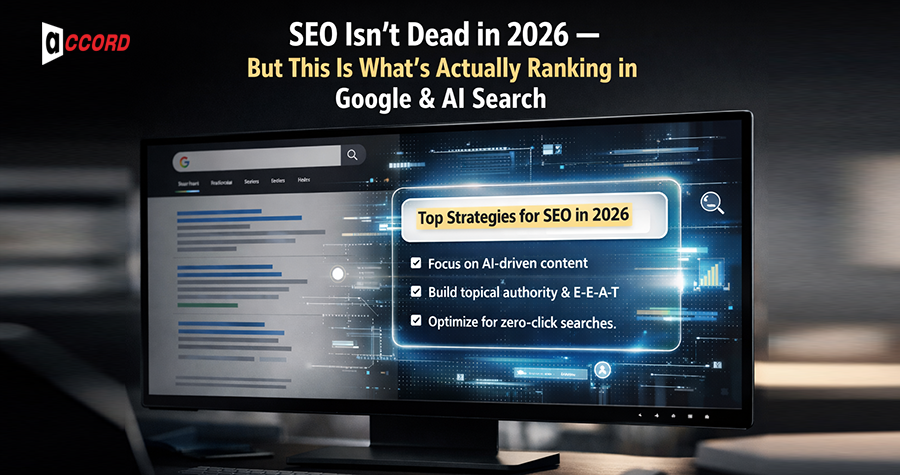
SEO is always the most effective way to get website visitors organically. In 2026, people are converting to many modern devices to get results instantly. AI Search Optimization can help to show up on these devices. This way, they stay visible to both people and smart search users.
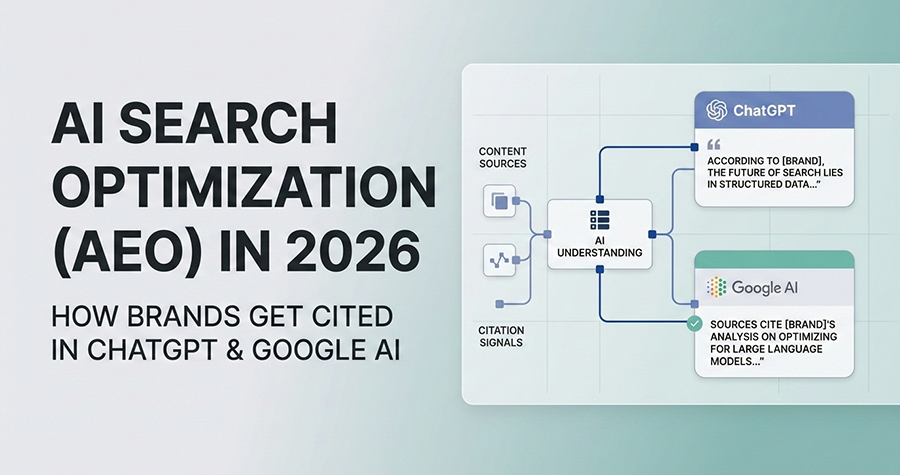
ChatGPT has hundreds of millions of users every week, and Google's AI features are growing fast. That is why Answer Engine Optimization (AEO) is becoming important. AEO, or Answer Engine Optimization, means optimizing your content so AI tools like ChatGPT, Google AI Overviews, Gemini, and Perplexity can understand, trust, and cite your brand in their answers. It focuses on getting your brand cited in AI answers, not just clicks.
By combining SEO with AI-focused tactics, like Google AI Overview SEO, ChatGPT citation SEO, LLM SEO strategy, zero-click search optimization, and content structure for AI answers, brands can reach more people.
In this blog, you will learn how to use both SEO and AI strategies. You will also see why getting cited matters and how to do it in simple steps.
Table of Contents
Why AEO Matters in 2026
AI search is changing how people find, compare, and trust brands online. Traditional SEO still matters, but brands now also need content that can be understood, summarized, and cited by AI answer engines.
- According to the Princeton-led GEO study, published in 2023, Generative Engine Optimization methods can improve content visibility in generative AI responses by up to 40%.
- According to BrightEdge, 2026, Google AI Overviews grew from roughly 30% to 48% of tracked queries over one year, a 58% increase.
- BrightEdge also reported in 2026 that AI Overviews now average more than 1,200 pixels in height, which can push traditional organic results below the fold on a standard screen.
SEO vs AEO: What's Changing in 2026
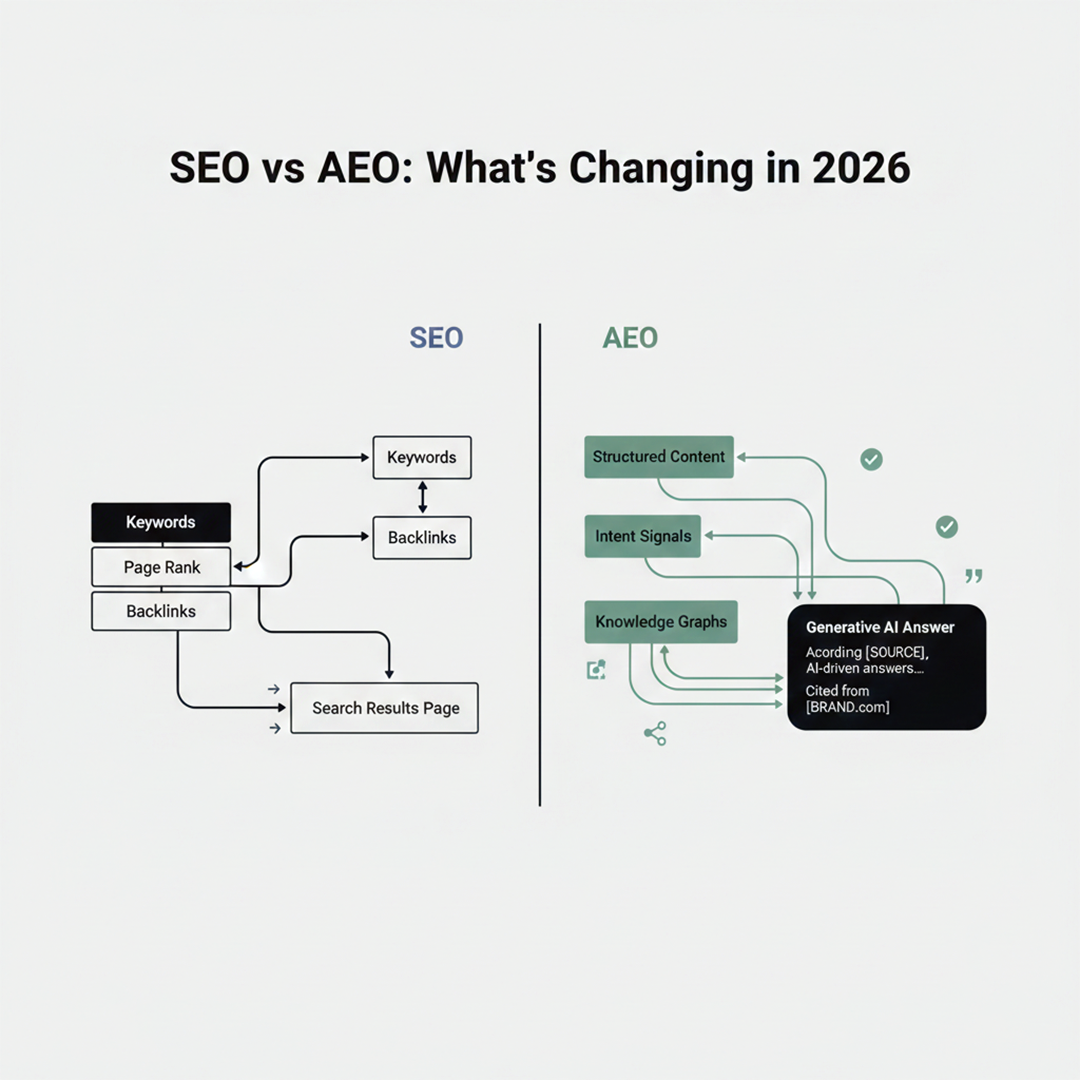
Many people think SEO is losing its power. But the truth is different. Even today, SEO is still one of the strongest ways to get traffic. Big brands like HubSpot and Notion rely on it every day. They know it drives consistent visitors and leads.
Traffic from Google's old 10 blue links is mostly steady. It hasn't dropped much over the years. That means SEO is not dead. It still matters for long-term growth.
At the same time, tools like ChatGPT, Gemini, and Google's AI Mode are growing fast. Some are seeing 100% growth year over year. This is exciting for smaller brands. With AI Search Optimization, you can get noticed faster and show up in answers for specific questions.
AEO is the modern form of SEO. It supports your content to get cited in the AI overview or platforms. By using both, you can reach more people in more ways.
The 10 Blue Links Are Still Relevant
If you think the 10 blue links are gone, think again. People still click them every day.
Here's why they matter:
People expect real search results for things like shopping or finding a website.
Google still ranks pages based on relevance, authority, and good structure.
Well-written content works for both traditional search and AI answers.
This means Google AI overview, SEO, and classic SEO go hand in hand. You don't have to choose one over the other.
Growth of LLMs and AI Mode
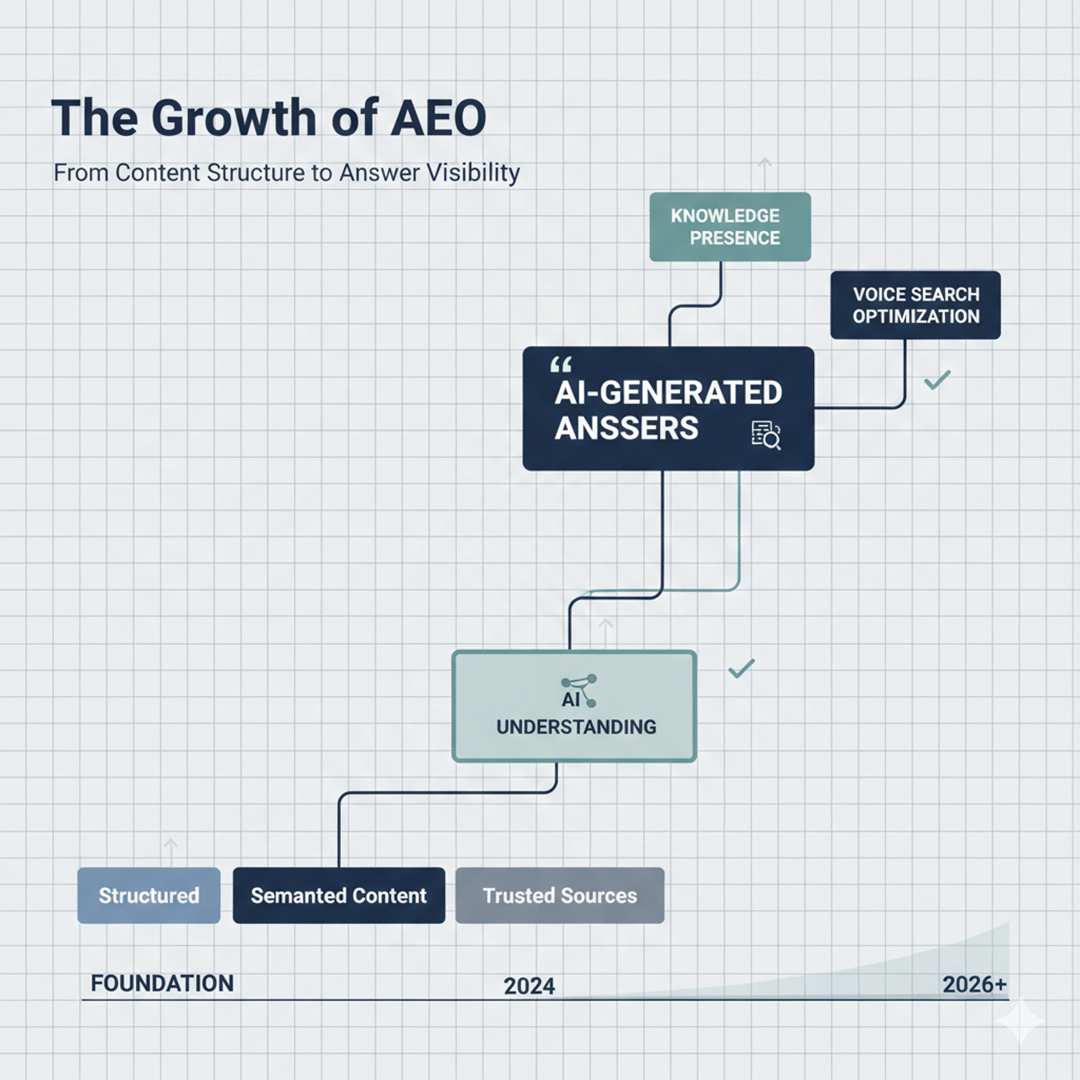
Platforms like ChatGPT, Gemini, and Google's AI Mode are growing fast. In some cases, usage has doubled in a year.
But this growth is adding new ways for people to find answers. It is not replacing search.
Here's the opportunity:
Smaller brands can get cited quickly. You don't need years of history to be noticed.
Content that answers questions clearly can appear in AI answers. This is where ChatGPT citation SEO helps.
Classic SEO still drives big traffic. LLM SEO strategy helps you reach new, specific queries.
By combining the two, you can ensure that your products are visible in search results and AI results. You get the best of both worlds. To understand exactly how AI ranking factors are changing how people search in 2026, it helps to look at how these systems select and surface content.
Understanding Answer Engine Optimization (AEO)
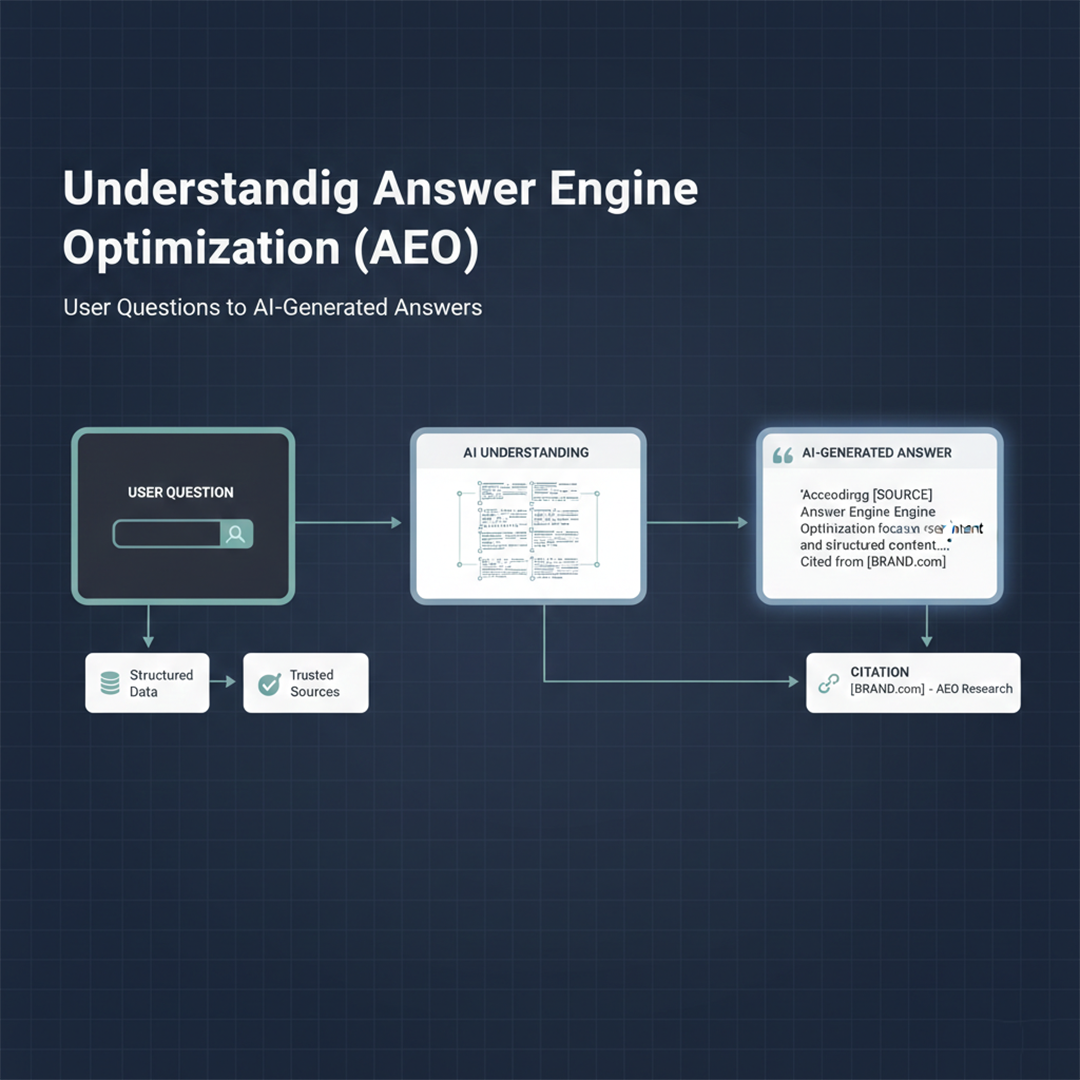
Answer Engine Optimization (AEO) is all about getting your brand mentioned as the answer.
Unlike SEO, you don't rely only on links or big websites. If you give clear, exact answers, other sites and platforms can cite you quickly.
For new brands, this can be faster than traditional SEO. One well-structured answer can get your brand noticed in weeks. Both your own content and mentions on other sites matter a lot.
Traditional SEO focuses on links and authority. AEO focuses on citations and exact answers. The specific page you create matters more than the website itself.
The goal is to answer precise questions. For example:
"Which website builder supports SEO, AEO, Stripe, and portfolio features?"
Even a small website can get cited if it answers this well. Think of it like old-school long-tail SEO. The difference is now the questions are now longer and very specific. For a detailed breakdown of how brands are winning citations in ChatGPT and Google AI, see the guide on AI Search Optimization and AEO in 2026.
Early vs Late Stage Companies
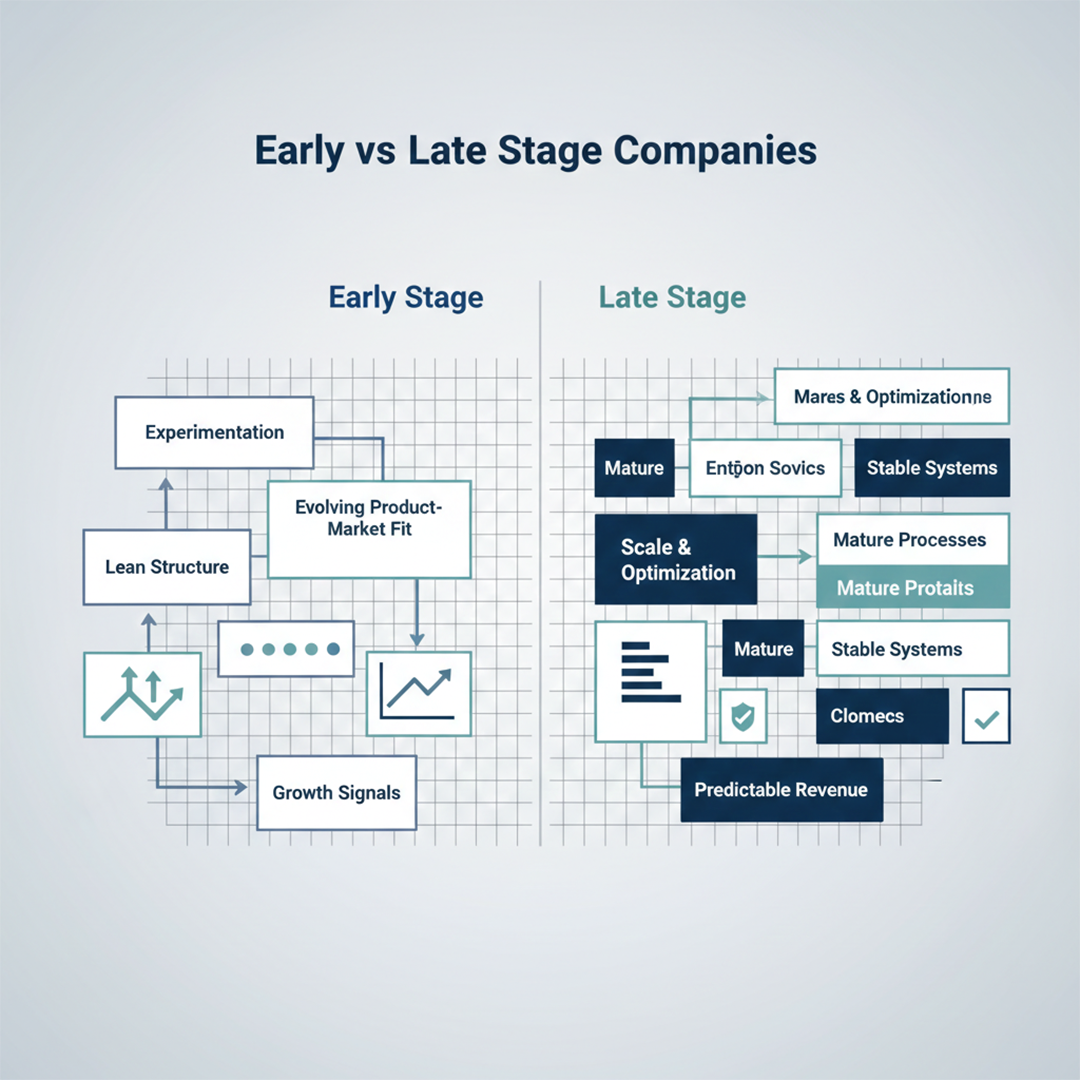
If you are a new brand, AEO is a big chance. You don't need thousands of pages. Focus on very specific questions in your niche. One good answer can get cited many times. Zero-click search optimization helps your brand get noticed even if users don't click. To understand this in depth, the guide on zero-click search and featured snippets explains how to still drive traffic in this new environment.
For bigger brands, a mix of SEO and AEO works best. SEO builds authority. Topical authority clusters show that your brand knows the topic well. Then AEO helps your answers get cited by more people.
Let's put numbers into perspective. Platforms like ChatGPT and Gemini are growing 100% year-over-year, yet they're still roughly 1/115th the size of Google search. That may sound small, but growth at this rate is massive.
Research shows that people ask very specific questions, often with 50–60 words. They want answers that cover features, tools, and workflows. If you provide clear answers, your brand can stand out in areas no one else is covering.
Here's the key: SEO is still important. AEO can provide faster, cheaper results or better-designed products.
Anyone can succeed by giving clear answers, organizing content well, and getting mentioned on other sites. There are many ways to improve, especially on some questions.
Making your website stand out on an AI platform is not just about writing great content. You need to answer the question correctly. These questions are long and convoluted. Pages such as product descriptions, help centers, and best practices work best.
Example:
Page title: How to automate invoice approvals with Tool X, QuickBooks, and Slack
Content: Step-by-step guide with headings, numbers, and bullet points.
This kind of page gets noticed and cited faster. This type of page gets 35% mentions in a few months.
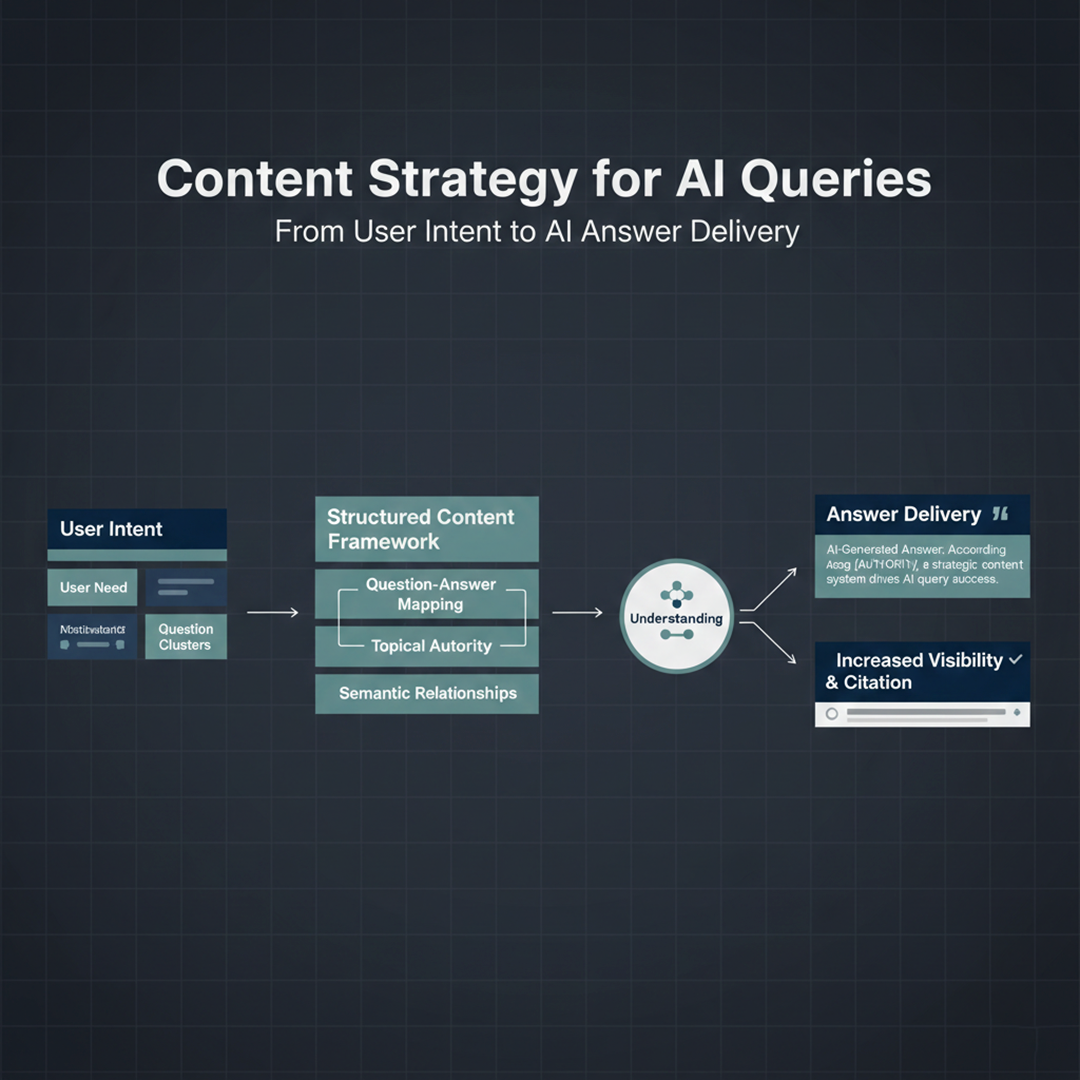
Content Strategy for AI Queries
-
Answer some basic questions.
For example: "How can small businesses integrate CRM data into their marketing tools?"
Any basic questions are non-contentious, and they respond quickly.
-
Use Structured Lists and Features
Break down content into steps, features, or integrations.
-
Example Format
Feature: Multi-thread workflow automation
Integration: Works with Salesforce, HubSpot, Gmail
Step-by-Step: Numbered instructions that are easy to follow
This helps organize content clearly for answers.
-
Make Pages for Different Users
Example: "Tool X for HR teams" or "Tool X for finance teams." This makes content useful for everyone.
-
Include Clear Names
Use tool names, product names, and features. This helps search engines understand your content.
-
Use Real Examples
Look at questions from sales calls, support tickets, or forums.
Real data makes content more helpful and accurate.
Example: If many users ask, "Does Tool X support two-factor authentication on mobile?" make a page that answers this.
Technical Setup for Better Visibility
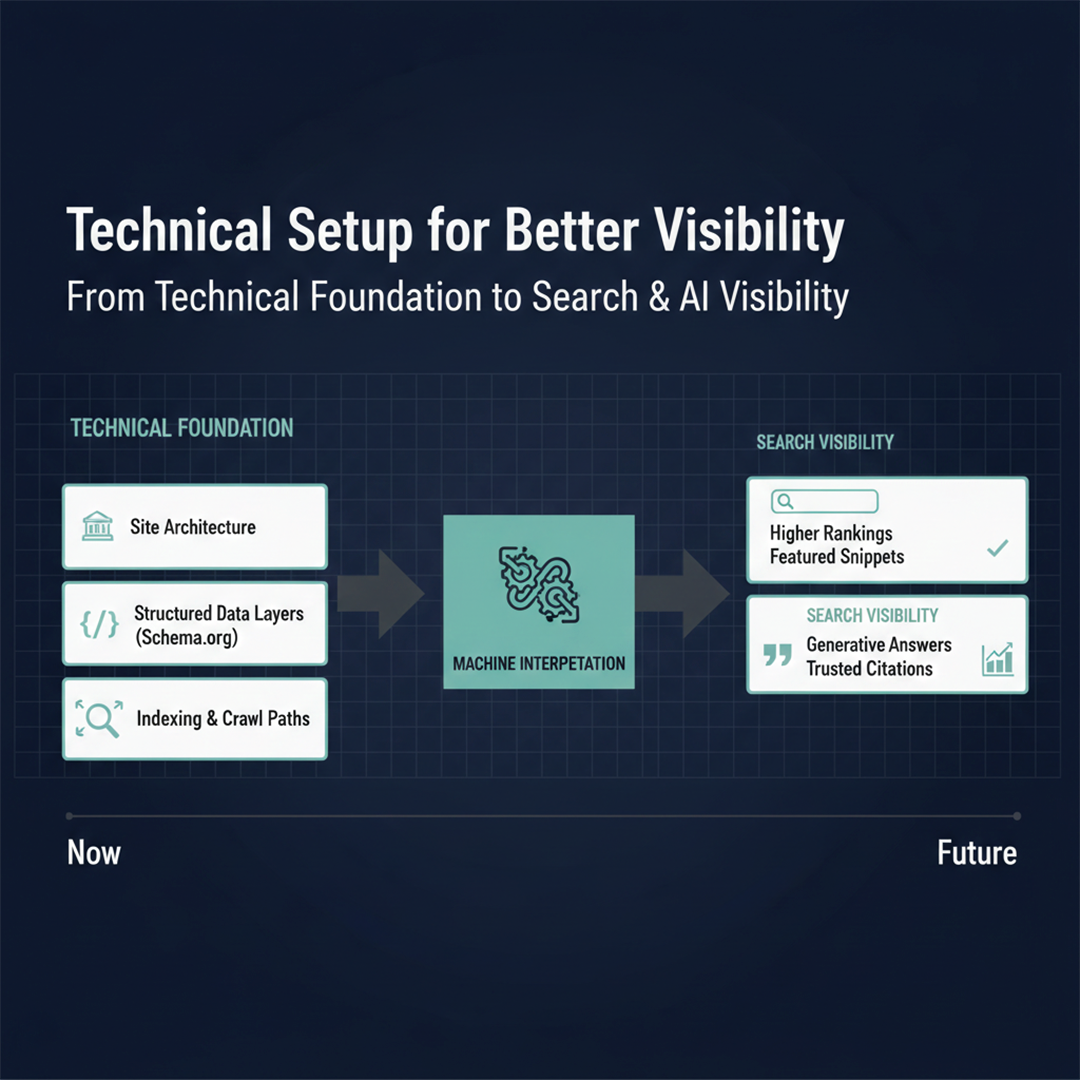
Even great content won't help if crawlers can't read it. Here's what to do:
Allow Crawlers in robots.txt
Example setup:
User-agent: GPTBot
Allow: /
User-agent: Google-Extended
Allow: /
User-agent: Claude-Web
Allow: /
User-agent: PerplexityBot
Allow: /
Make Your Pages Easy for Bots
Let Bots See Everything. Do not block bots. If they cannot see your pages, your content will not be noticed.
Allow Bots in Firewalls
Check tools like Cloudflare.
Make sure bots are not blocked
Use Clear HTML
This helps bots understand your page.
Use these tags:
<h1> for main questions
<h2> for subtopics
<article> for main content
<main> for important info
<aside> for extra info
Keep Content Visibility
Do not hide important info in tabs or behind JavaScript.
Lazy-loaded content may not be seen by bots.
Speed Up Your Pages
Compress images. Use caching. Speed and Visibility
Use a CDN. Fast pages are easier to crawl. They get noticed more.
Add Internal Links
Link related pages with clear text.
Example: Link "Tool X integrations" to "Tool X workflow automation."
Use Schema and Build Trust
Add structured data for products, reviews, and FAQs.
This helps search engines understand your content. It also shows your site is trustworthy.
Page Format That Works
H1: Specific question
Introduction: Short, clear answer
H2 / H3: Steps, features, or categories
Bullets / Numbers: Highlight features, integrations, or actions
Tables: Compare tools, pricing, or compatibility
FAQ: Answer related questions
Internal Links: Connect to useful pages
Clear, structured content with real names and proper setup gets noticed faster. It also builds authority. For a practical look at which SEO tactics still help websites rank well in current search algorithms, that guide covers the technical and content fundamentals that continue to matter.
Off-Page Strategies & Citations
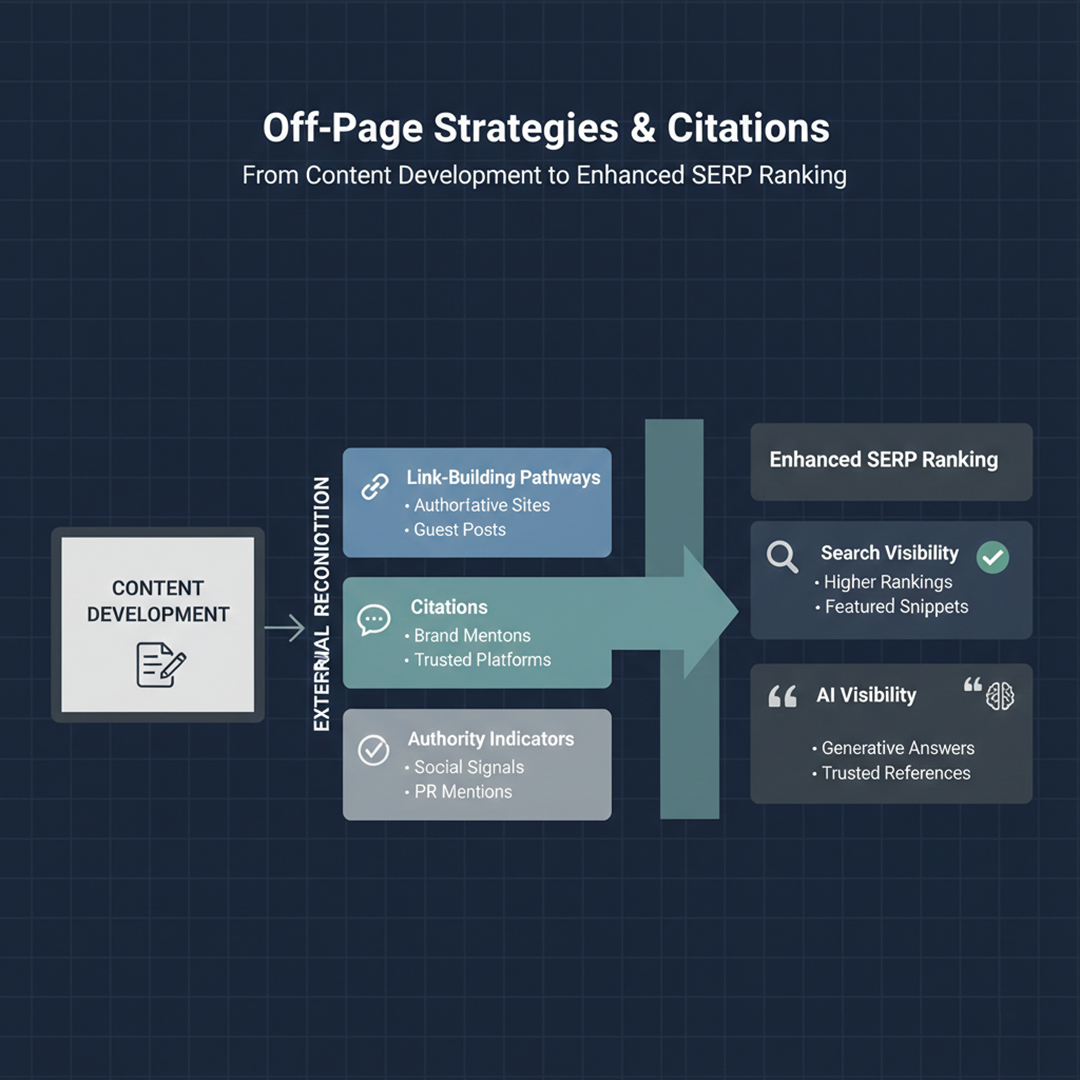
Being noticed is not just about your website. Citations and mentions on other sites matter too. What other sites say about you matters a lot. Off-site work focuses on brand mention optimization instead of just building backlinks.
An advanced AI-based platform, such as ChatGPT, catches up exact URLs cited on blogs, forums, YouTube, etc. These citations support your content appearing in targeted queries.
For example, if anyone mentions your brand on a popular site, it helps you get a vote for reliability and gain up.
How Platforms Spot Brand Mentions
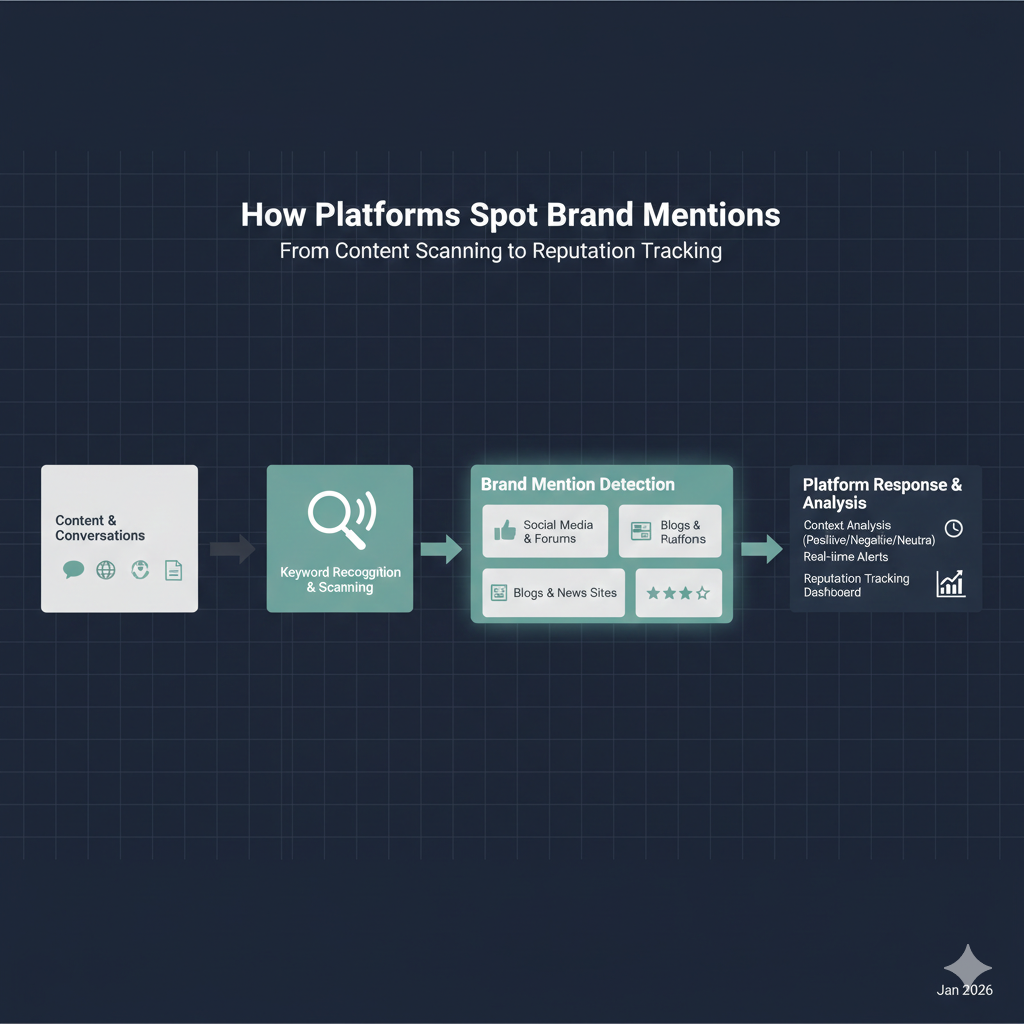
Not all mentions are equal. Some platforms care more about exact citations than site authority.
If ChatGPT notices https://yourbrand.com/product-x mention on a different platform, it can appear in your content to their user.
This modern site crawls sites that users trust. Tracking which URLs are cited for your main questions is crucial.
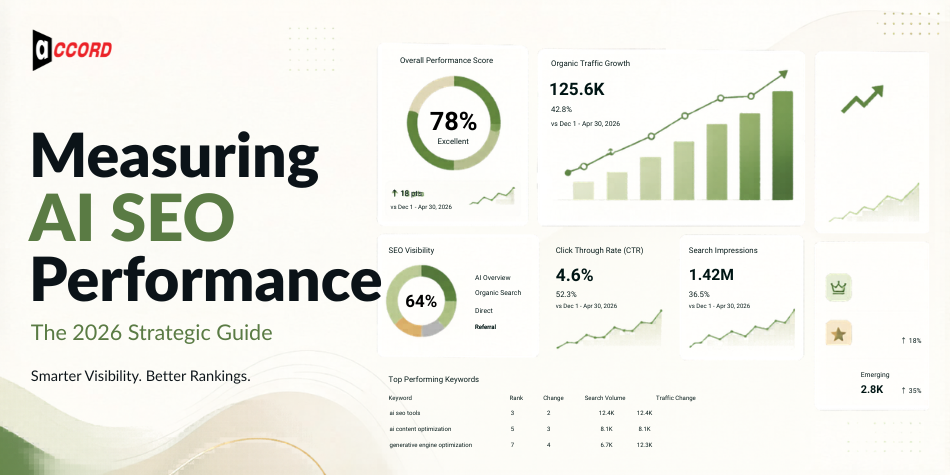
It shows you where your content is strong and where you need to focus. This is part of smart ChatGPT citation SEO. Understanding how to measure AI SEO performance is what separates brands that guess from brands that grow strategically.
Choosing Platforms for Mentions
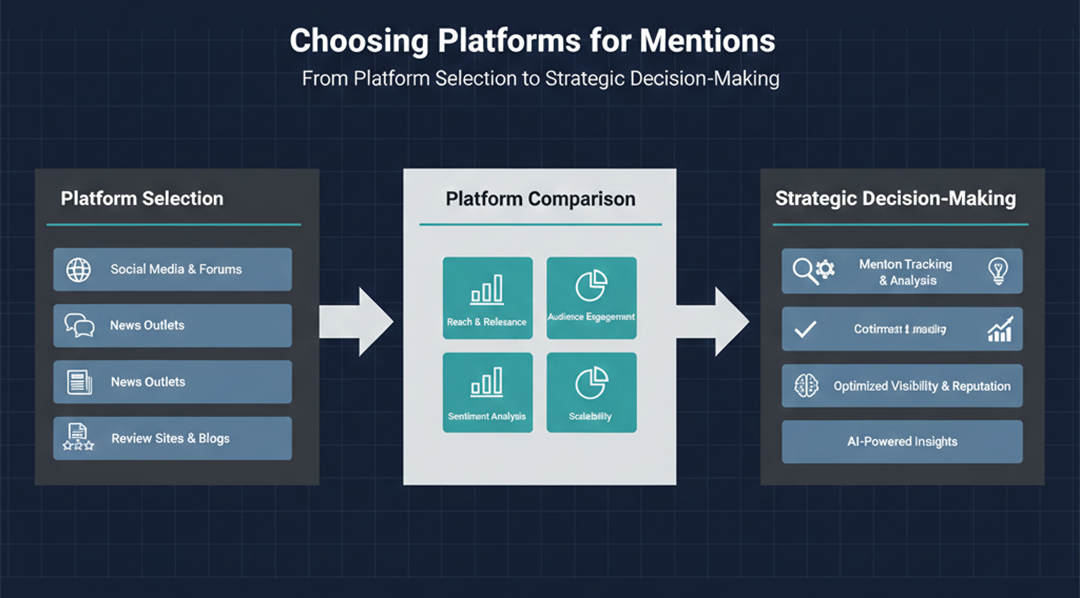
Not every platform will help you. Focus on where your audience spends time:
B2B SaaS: Reddit, tech blogs, and forums are very valuable. People ask very detailed questions like, "Which tool works with Stripe, Slack, and HubSpot for automated workflows?" If your product answers it, you get cited.
eCommerce: Affiliate sites, review blogs, and YouTube videos work best. Detailed product mentions or guides give strong signals.
Use mentions carefully. Think about the questions you want to win and create content that answers them clearly. This is part of a smart LLM SEO strategy.
Example of a citation plan:
Pick 10–15 top sources in your niche.
Find the most asked questions.
Contribute content that answers exactly.
Track which URLs get mentioned and adjust.
Why Off-Site Mentions Work
Mentions are faster than backlinks. You can see results sooner.
Specific questions let small brands compete with big ones.
When you combine on-page work with off-site mentions, your pages rank better and get cited more.
This creates topical authority clusters, where your brand shows up for related questions in your field.
Trends & Predictions for 2026
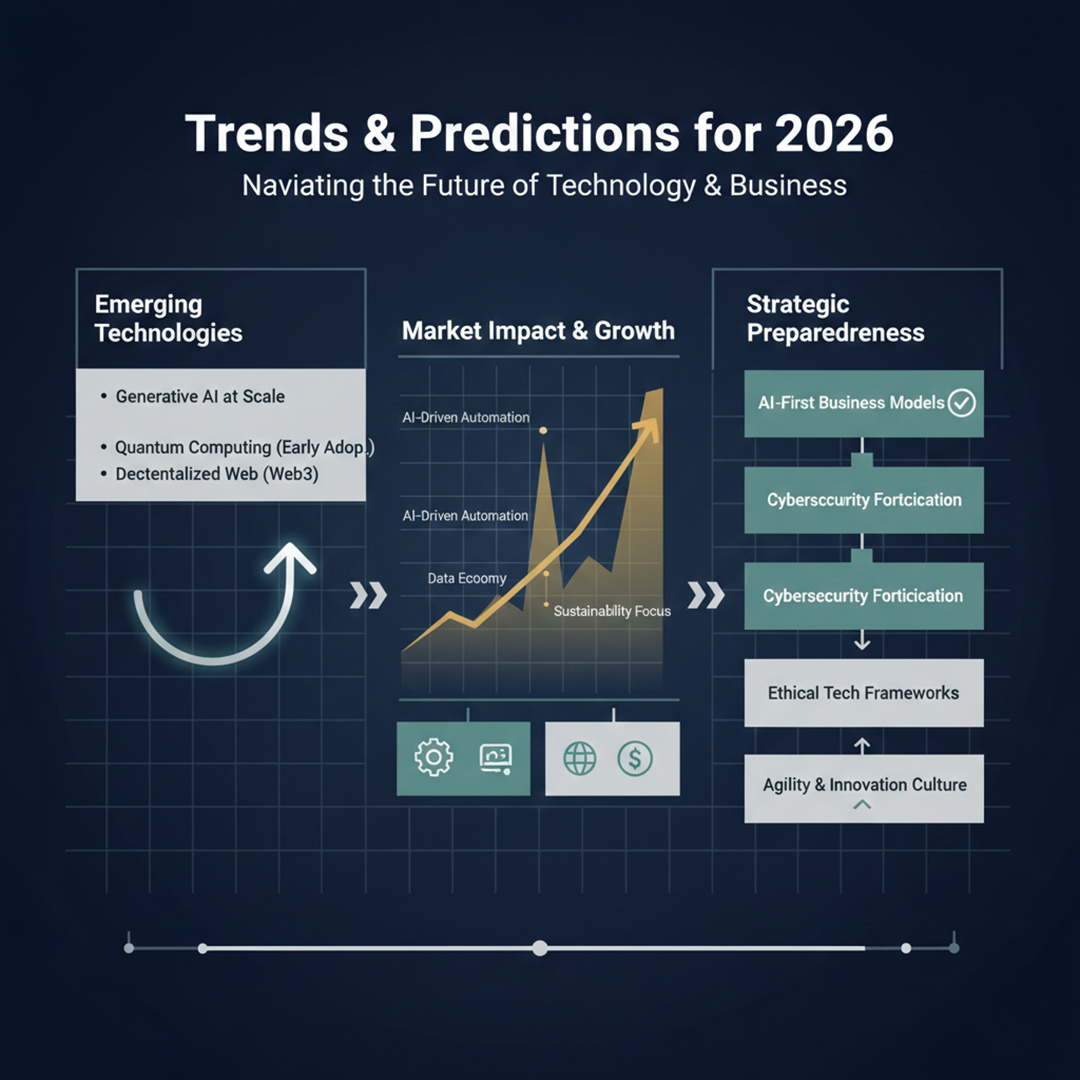
SEO and AEO will both keep growing in 2026. People still use regular search every day.
But new tools like ChatGPT and other answer platforms are changing how we find information online.
For example, ChatGPT handles over 2.5 billion prompts per day and has hundreds of millions of weekly users, more than many top websites.
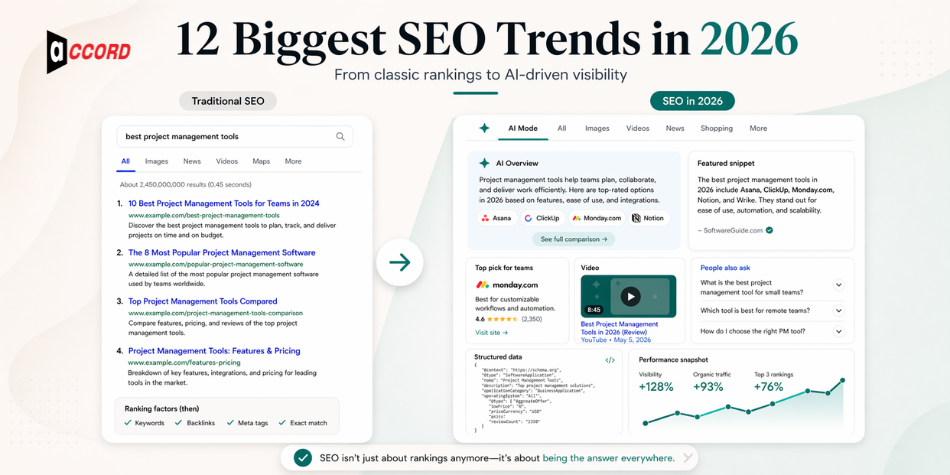
This means you need to show up in many places: regular search results, answer summaries, and discovery tools. At the same time, trends like autonomous agents, personalized content, and video are changing how brands get noticed. For a full picture, see the 12 biggest SEO trends in 2026 that are shaping how brands compete for visibility.
Autonomous Agents
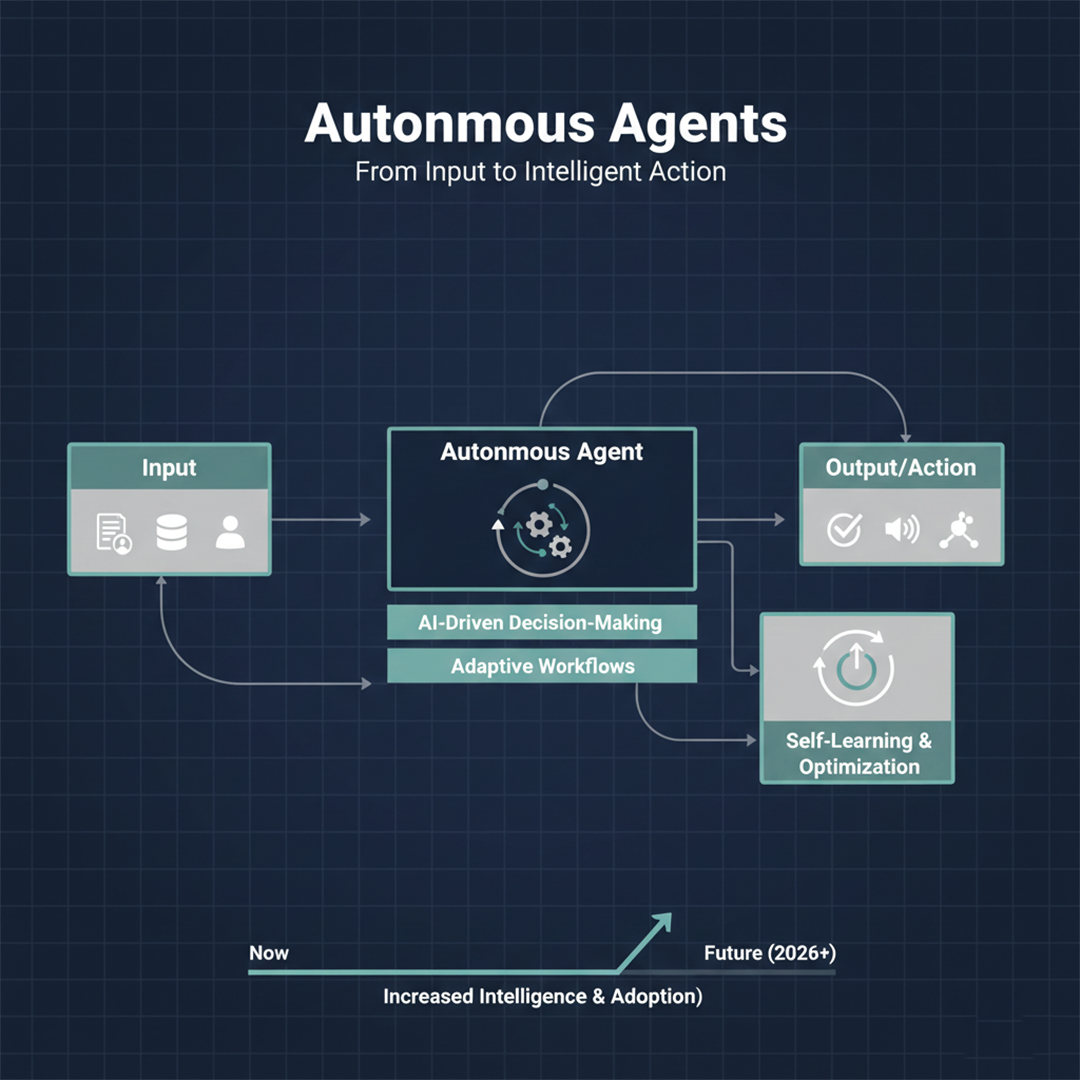
Autonomous agents are programs that complete tasks for users. People already use them for shopping, planning, and research. These agents create new ways for your brand to appear.
For example, a user might ask, "Find the best invoicing tool with Stripe and QuickBooks integration." The agent will pick the best answer. To win, your content must be clear, specific, and easy for agents to use. Using strong AI Search Optimization and a smart LLM SEO strategy will help.
Hyper personalization
Content is now more personal. Today's modern feature, search results, is changing. These results depend on the user's behaviors, clicks, and impressions. Is the page targeting a specific audience, such as a digital marketer searching for modern automation tools? This tool's specific page performs better than the general page for this search intent.
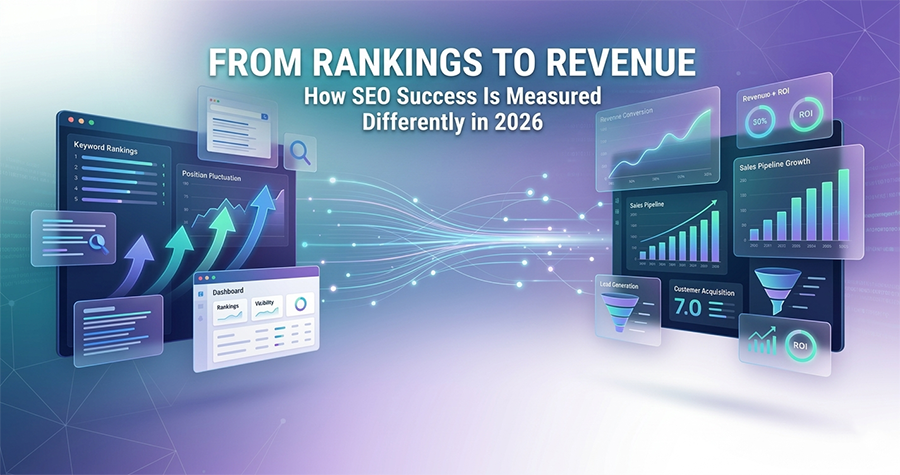
Using real product names, features, and use cases strengthens your entity-based SEO. Showing experience and trust through E-E-A-T signals helps your content appear in personalized answers. The more useful and trusted your content is, the more it will be chosen. This is also why SEO success is now measured differently in 2026 — from rankings to actual revenue signals.
Video as a Data Source
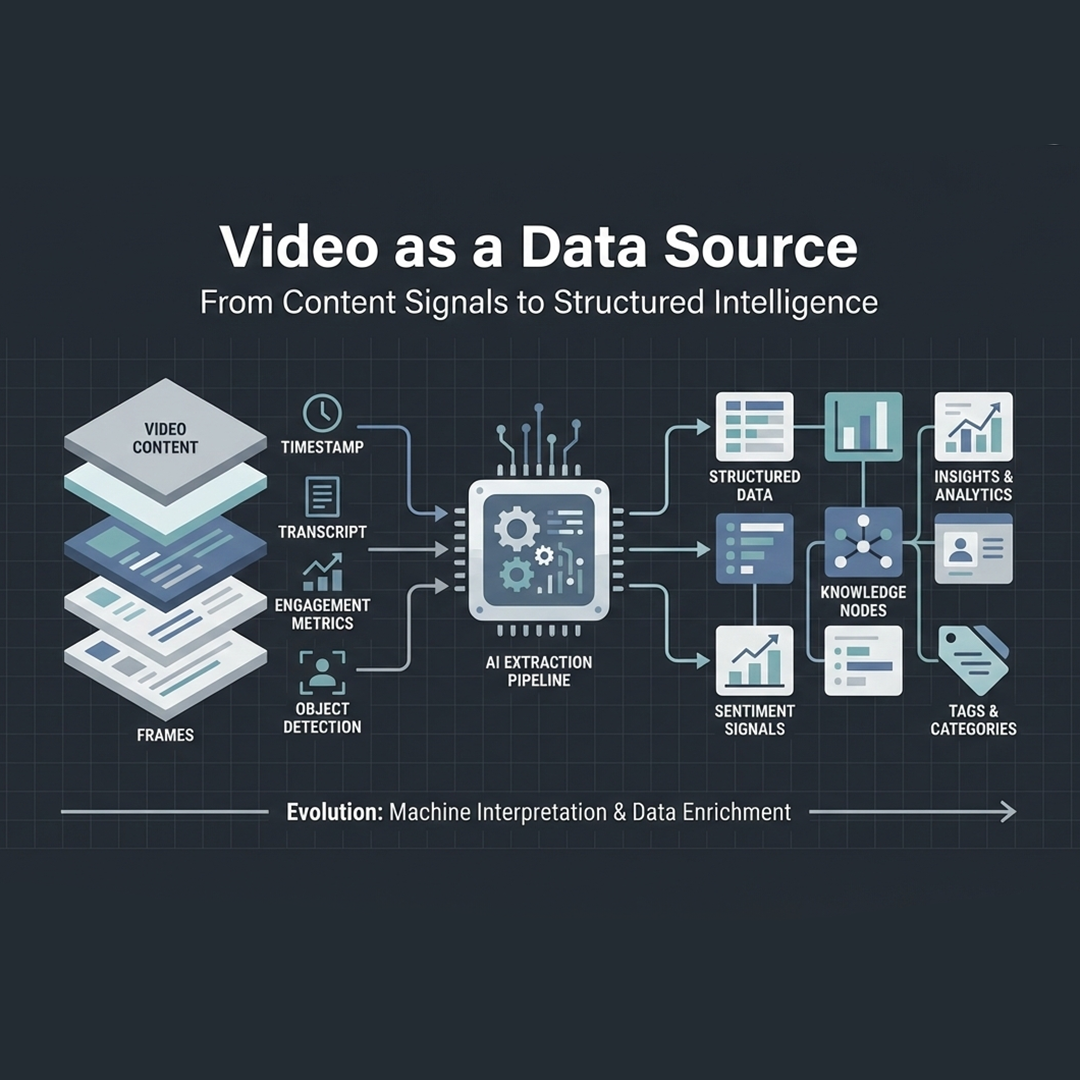
Video is now a key source for answers. New platforms can read transcripts, watch videos, and pull information from them. For example, Gemini 3 can process video content to include it in answers.
To make your videos more visible:
Add full transcripts so every word is readable.
Use clear headings for chapters.
Include metadata describing the video.
This improves your content structure for AI answers and increases the chances of ChatGPT citation SEO. Videos that explain products or compare tools clearly are more likely to be used as trusted sources.
How These Trends Work Together
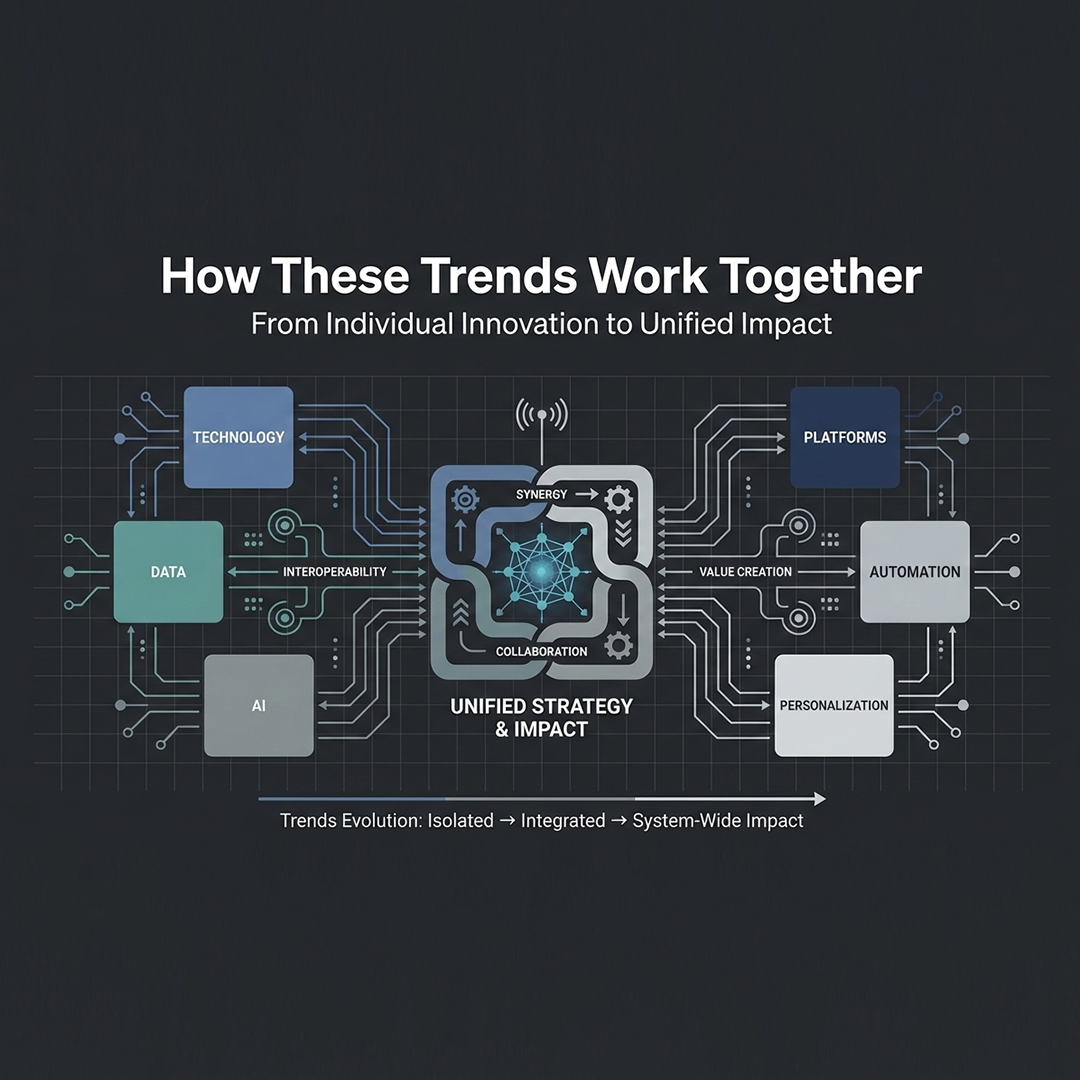
Search and answer systems will work side by side. Regular search will not go away; it still drives a huge part of online traffic. Most users of answer tools also use Google.
You can't rely on just one method. A website that covers real data, provides clear answers, shows expertise, and has good features will get more mentions. Videos, tailored pages, and content ready for task-completing tools will keep your brand visible everywhere.
This modern format helps to build up top brands and shine in 2026.
Visual Summary: Trends & Impact in 2026
Trend |
What It Is |
Why It Matters |
How to Use It |
Autonomous Agents |
Programs that complete tasks |
New ways for brands to appear |
Clear, specific answers |
Hyperpersonalization |
Content changes per user |
Higher engagement |
Persona-focused pages, entity-based SEO, E-E-A-T signals |
Video as Data Source |
Videos can be read and used for answers |
More chances for citations |
Transcripts, chapters, metadata |
SEO + AEO Blend |
Traditional search + answer platforms |
Maximum visibility |
Clear answers, structured content, diverse formats |
Actionable Takeaways for Brands
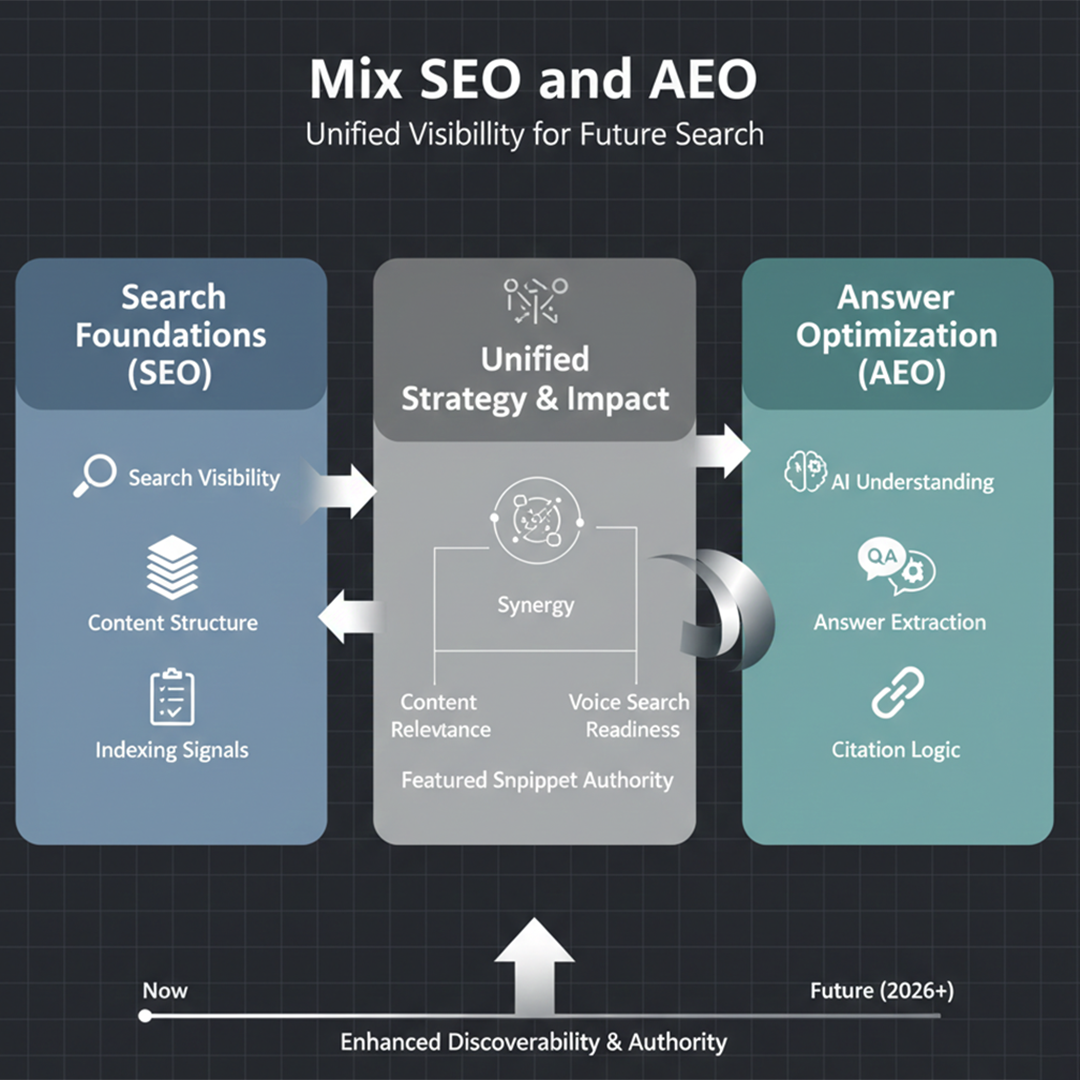
Fast forward to 2026, which combines traditional SEO with Answer Engine Optimization (AEO). Doing both increases your brand's chances of being found online.
Here's what to consider:
Answer some basic questions.
Create content that addresses your audience's problems. The more accurate your answer, the more people will recommend your brand. Here, the importance of AI Search Optimization is emphasized.
Build a Strong Technical Base
Use clean links, a good layout, proper schema, and search-friendly pages. A good website will help get your brand on more websites. For teams that want a step-by-step approach, the guide on how to create an effective SEO strategy in 2026 is a practical starting point.
Track Where You're Mentioned
Check other websites for ideas for your brands. This helps improve brand mention optimization and gives you more visibility.
Test and Edit
Try new pages, latest formats, or new content ideas. Measure performance and keep continuous improvement. This will boost your LLM SEO strategy in the long run. For small businesses wondering how to compete, the guide on AI-powered SEO strategy for small businesses covers exactly this.
Mix SEO and AEO
Conclusion
Combine insights from search engines and answer platforms. Pages that work well for both get picked up faster and more often.
By giving clear answers, keeping your site organized, and experimenting often, your brand will stay visible, build trust, and grow in many online channels.
In 2026, showing up online is more than just ranking on Google. Mixing regular SEO with Answer Engine Optimization (AEO) helps your brand get noticed everywhere. Get clear answers to the right questions, build your website, and check out where people mention your brand.
Try new ideas, monitor the results, and continue your growth. If your content is easy to read, well-structured, and credible, more people will find it. Simple steps, steady effort, and clear answers will keep your brand growing and visible across all online channels. If you want professional help building this strategy, Accord Tech Solutions SEO Services can help you get there faster.