
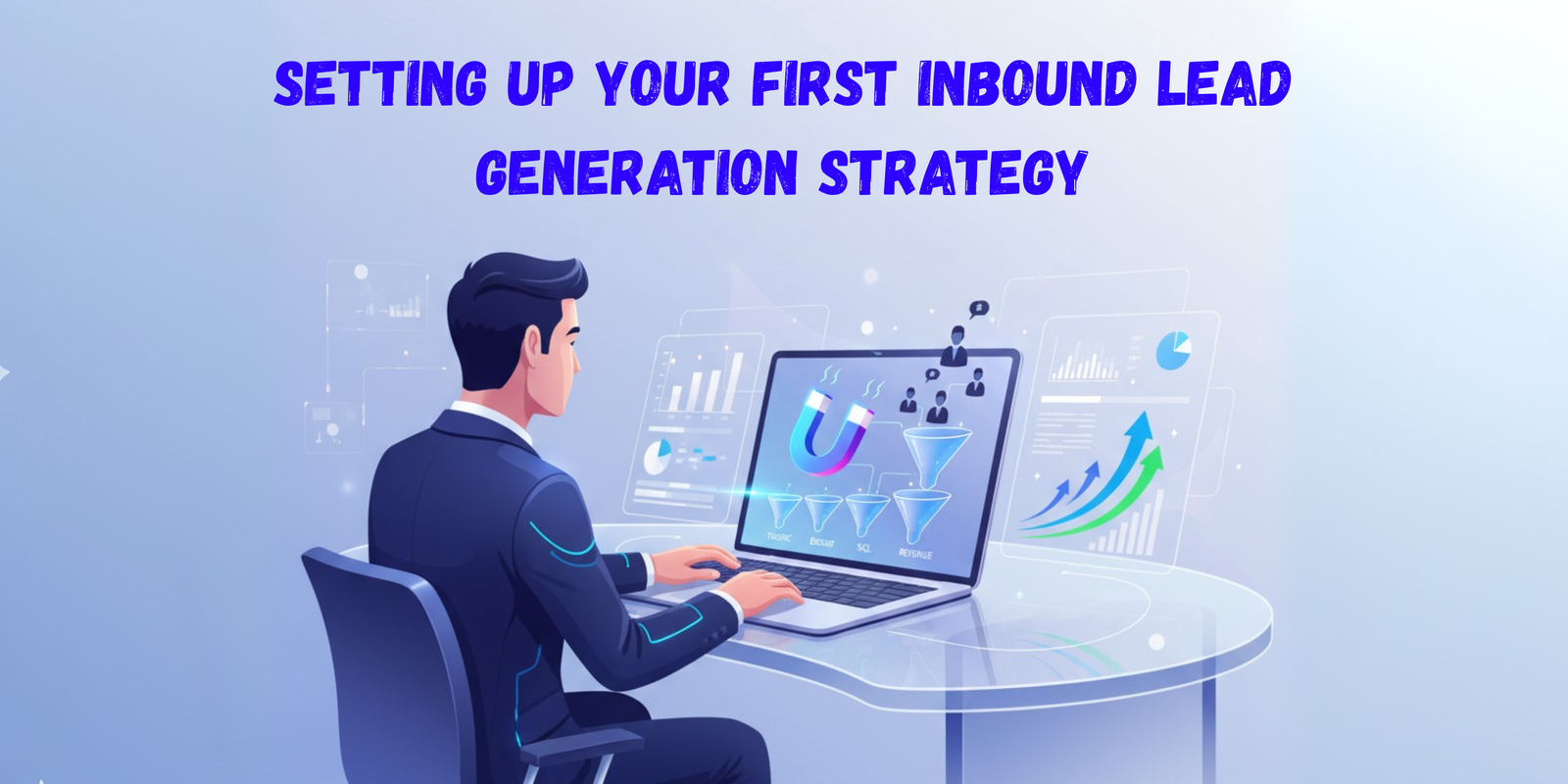
One of the most effective ways to attract high-quality prospects and turn them into paying customers is through inbound lead generation. Unlike cold outreach, inbound strategies focus on creating valuable experiences to naturally attract people to your business. There are many challenges for new companies to face. Among them is knowing where to start and what tools to use, which strategies to prioritize, and how to ensure that your efforts produce measurable results.
Are you trying to establish your first strategy? We will share a complete guide on Setting Up Your First Inbound Lead Generation Strategy in this article. This covers your Inbound Lead Generation Strategy. And you can do real lead generation in the future and maintain the right pipeline.
Now, Let's Start!
Why Inbound Lead Generation Matters?

We first know what inbound lead generation is? But we didn’t know why inbound lead generation is important?
So, before we jump into the setup, let’s find out why inbound lead generation has become the preferred choice for many organizations:
-
Brings in high-quality leads: Inbound methods get people to connect with you spontaneously through your content, blogs, social media posts, or webinars. This means they are interested, which is more likely to convert.
-
Reduces marketing costs: Inbound strategies work at a much lower cost than traditional outbound marketing (such as cold calls, spam emails). Once good content is created, it can work to bring in leads for a long time.
-
Builds trust and relationships: Inbound content, such as blogs, videos, or guides, presents your brand as an expert. This builds trust among potential customers, which ultimately helps in sales.
-
Reach the right audience: You can reach the right profile of people using SEO, social media, and content marketing. This makes your leads more relevant and convertible.
-
Long-term business growth: Once your inbound strategy is in place, it generates regular leads and creates a stable lead funnel for the business.
Step 1: Define Your Ideal Customer
Inbound lead generation starts with selecting the right customers or targeted area. You cannot attract the right leads without knowing exactly who you want to reach. So it is essential to target and camp-specific customers before you start lead generation.
Create a Buyer Persona
A buyer persona is a semi-fictional profile of your ideal customer. It includes details like:
-
Demographics: Age, gender, location, income level
-
Business factors: Industry, company size, decision-making role
-
Pain points: Challenges your product or service can solve
-
Goals: What they want to achieve
|
Persona Element |
Example: IT Decision-Maker |
|
Job Title |
CTO, Head of IT |
|
Company Size |
50–200 employees |
|
Pain Points |
Cybersecurity risks, lack of automation |
|
Goals |
Streamline operations, reduce downtime |
By defining this, your inbound strategy becomes more targeted, ensuring you attract people who are likely to convert.
Step 2: Build a Conversion-Ready Website

Your website is the hub of all inbound activities. Even if you create great content, if your site isn’t optimized for conversions, you’ll lose potential leads.
Key elements of a conversion-ready website include:
-
Clear messaging – Visitors should immediately understand what you offer.
-
Optimized landing pages – Each service or campaign should have a dedicated page.
-
Strong calls-to-action (CTAs) – Buttons or links prompting users to “Download Now” or “Book a Demo.”
-
Forms – Simple, minimal fields to capture lead information.
-
Mobile responsiveness – More than half of all website traffic comes from mobile devices.
Step 3: Develop Content That Attracts
Content is the engine of inbound lead generation. You need to provide value before asking for a commitment.
Types of Content to Create
-
Blog posts – Answer common questions, provide solutions, and build authority.
-
E-books & whitepapers – In-depth resources exchanged for contact information.
-
Videos & webinars – Engaging formats to explain complex topics.
-
Case studies – Showcase real-world results achieved for clients.
When creating content, always align it with your buyer persona’s pain points and goals.
Step 4: Leverage SEO and Keywords
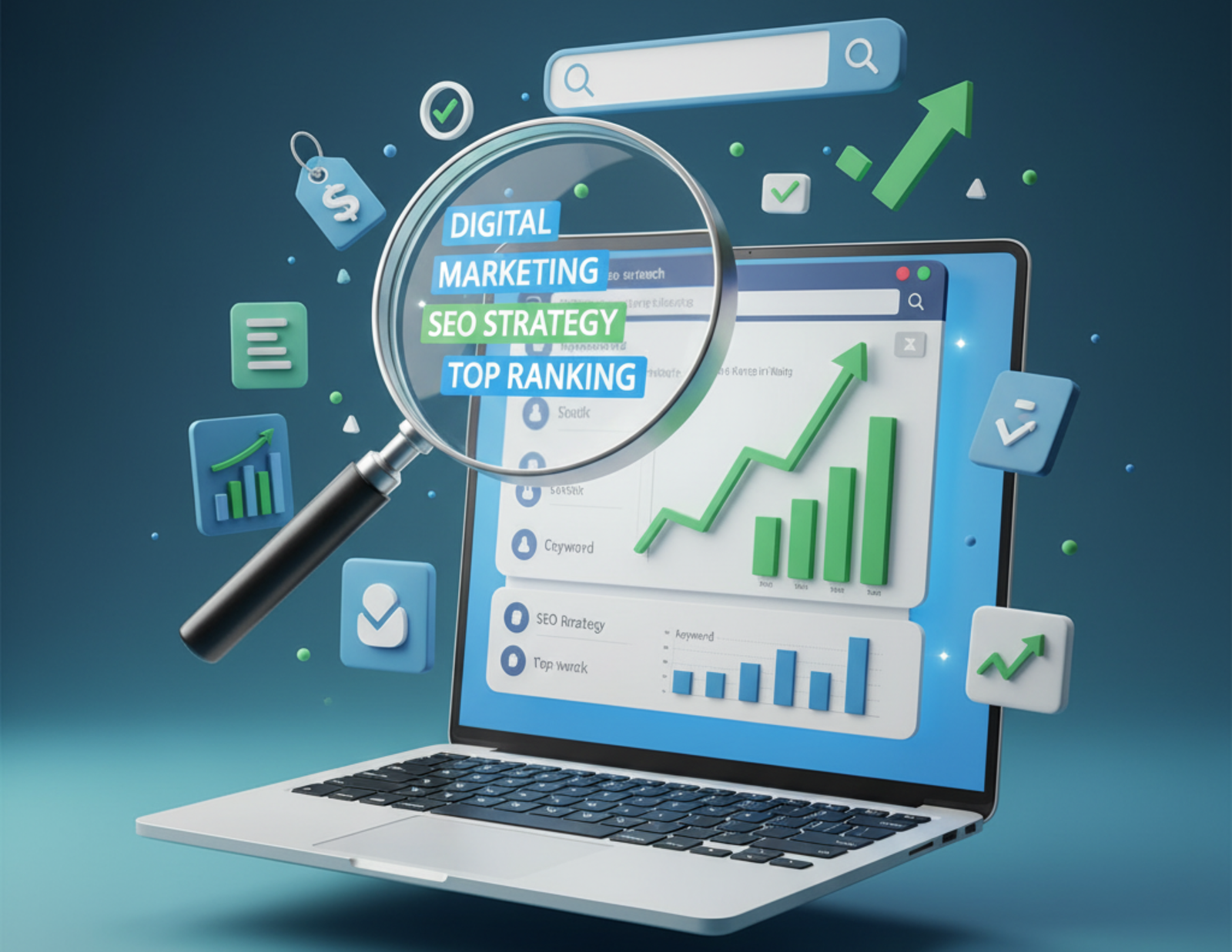
Even the best content won’t work unless people can find it. Search engine optimization (SEO) ensures your resources show up when potential customers search for solutions.
Practical SEO Tips
-
Use targeted keywords like Lead Generation company and best Lead Generation naturally within your blogs and landing pages.
-
Optimize title tags, meta descriptions, and headers.
-
Ensure your site loads quickly and has a clean structure.
-
Build backlinks by contributing guest articles or collaborating with industry blogs.
Step 5: Offer Lead Magnets
A lead magnet is something valuable you offer for free in exchange for contact details. This step is crucial to move visitors from “just browsing” to “interested prospects.”
Examples of lead magnets include:
-
Free templates
-
Downloadable guides
-
Checklists
-
Webinars
-
Industry reports
Pro Tip: Keep the signup form short—just name and email at the start. You can gather more details later through nurturing.
Step 6: Implement Marketing Automation

Manually following up with every lead is nearly impossible. Marketing automation tools help you manage communication, track engagement, and nurture leads.
Popular tools include HubSpot, Mailchimp, and ActiveCampaign. With automation, you can:
-
Send personalized email sequences
-
Score leads based on activity
-
Segment contacts into targeted groups
-
Monitor performance metrics
Step 7: Nurture Leads Through Email Campaigns
Once you capture a lead, the next step is nurturing them until they’re ready to buy. Email campaigns are still one of the most effective ways to stay connected.
Types of Email Sequences
-
Welcome series – Introduce your brand and set expectations.
-
Educational series – Share tips, resources, or case studies.
-
Promotional series – Highlight special offers, product launches, or demos.
Step 8: Align Sales and Marketing

A common mistake is treating marketing and sales as separate silos. In reality, inbound lead generation only works when these teams collaborate.
-
Marketing should deliver qualified leads based on clear criteria.
-
Sales should provide feedback on lead quality.
-
Both should agree on definitions of “Marketing Qualified Lead (MQL)” and “Sales Qualified Lead (SQL).”
This alignment ensures you’re not just collecting contacts but generating opportunities.
Step 9: Track and Measure Performance
You can’t improve what you don’t measure. Tracking performance allows you to identify what’s working and where adjustments are needed.
Key Metrics to Monitor
|
Metric |
What It Shows |
|
Website traffic |
Overall reach of your content |
|
Conversion rate |
How many visitors turn into leads |
|
Cost per lead (CPL) |
Efficiency of your campaigns |
|
Lead-to-customer rate |
Effectiveness of nurturing and sales |
Tools like Google Analytics, HubSpot, or SEMrush make it easier to monitor these KPIs.
Step 10: Optimize and Scale
Inbound lead generation is not a one-time setup—it’s an ongoing process. Once you have data, focus on optimization.
Ways to scale include:
-
Expanding content topics to cover more buyer journey stages
-
Running A/B tests on landing pages and CTAs
-
Investing in paid ads to amplify high-performing content
-
Creating advanced segmentation for email campaigns
Common Mistakes to Avoid
Even the best strategies can fail if common pitfalls aren’t addressed:
-
Overloading forms with too many fields
-
Creating content without a clear audience in mind
-
Ignoring SEO basics
-
Failing to align sales and marketing teams
-
Not following up promptly with leads

Why Partner With a Lead Generation Company?
1st, I would say that a skilled lead generation company has a lot of moving parts, from setting up an inbound lead generation strategy to content creation and automation setup, which they handle with skill. If you are doing the same thing, then this process may seem overwhelming to you.
A lead generation company consists of skilled team members who are always researching new lead generation strategies and implementing each marketing strategy in line with the times. Which is time-consuming for one person.
We at Accord Tech Solutions are a trusted lead generation company that specializes in helping businesses create and scale strategies that achieve measurable results. With a focus on proven systems, customized campaigns, and delivering the best lead generation results, we help businesses move seamlessly from strategy to execution.

Final Thoughts
Inbound lead generation isn’t just about filling your pipeline, it’s about attracting the right people, building trust, and turning prospects into loyal customers. By following these steps, defining your audience, creating valuable content, using SEO, offering lead magnets, and using automation, you can build a sustainable system for long-term growth.
If you’re ready to get started but don’t want to do it alone, Accord Tech Solutions is here to help. Our expertise ensures that you’re not just generating leads, you’re creating opportunities that align with your business goals.
Frequently Asked Questions (FAQ)
Inbound lead generation is the process of attracting potential customers by offering valuable content and experiences instead of directly reaching out to them. It focuses on building trust through blogs, guides, SEO, and lead magnets, so prospects naturally engage with your brand.
Inbound lead generation typically provides higher-quality leads at a lower cost compared to cold calls or paid outreach. Prospects who find your business through inbound methods are already interested in your solutions, making them easier to convert.
To get started, you’ll need:
- A clear buyer persona
- A conversion-optimized website
- Valuable content (blogs, eBooks, videos, etc.)
- SEO-friendly pages
- Lead magnets with simple forms
- Email automation for nurturing leads
It depends on your industry and strategy, but most companies see measurable results within 3–6 months. The process requires consistent effort—publishing content, optimizing SEO, and nurturing leads over time.
A lead magnet is a free resource—such as a checklist, guide, or webinar—offered in exchange for contact information. It’s important because it encourages website visitors to share their details, allowing you to nurture them into paying customers.
SEO ensures your content ranks higher in search results when prospects look for solutions. By targeting keywords like Lead Generation company or best Lead Generation, you can attract people searching for exactly what you offer.
Yes, automation tools simplify the process of nurturing leads. They allow you to send personalized emails, track engagement, score leads, and streamline your sales funnel. This saves time and improves conversion rates.
Absolutely. Partnering with a Lead Generation company like Accord Tech Solutions can save you time and ensure best practices are followed. Experts can design, launch, and optimize strategies that deliver the best Lead Generation outcomes for your business.