
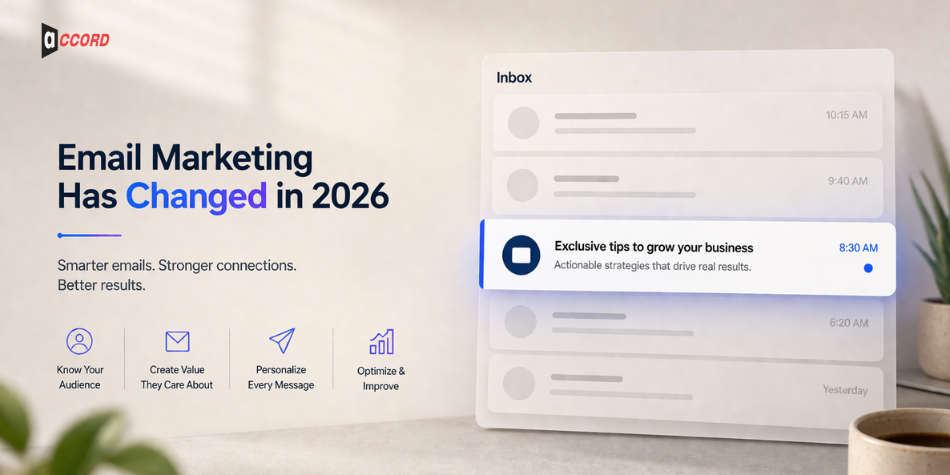
Are hyper-personalization and AI agents really making email work better in 2026, or are they just buzzwords?
They do help, but only if you use them carefully, honestly, and with your own judgment. Email marketing isn't as loud as it used to be in 2026. Less loud advertising. Less tricks. More subtlety. That change was not an accident.
Providers of inboxes have changed the way they look at messages. People have changed how they deal with them. And marketers who still use volume or shallow personalization are slowly disappearing from inboxes without knowing why.
his is where AI-powered email marketing 2026 comes into play. Not because of hype, but because of pressure. Inbox filters put pressure on you. Privacy rules put pressure on. Users who want relevant information without being bothered.
In this article, you’ll learn which email marketing practices still work in 2026, which trends quietly damage deliverability, and how experienced teams use AI without losing trust.
AI-powered email marketing 2026

Why email marketing seems less stable than before
Email didn't suddenly get harder. It got more honest. Instead of looking at single actions, inbox providers now look at patterns. If your subscribers keep ignoring your emails, delivery will go down. Reputation suffers when complaints rise. People stop trusting you if unsubscribe links are hard to find. In many audited email programs, these reputation issues appear weeks before teams realize anything is wrong.
This is why AI-powered email marketing in 2026 is important. AI helps marketers see small drops before they turn into big problems. It finds problems with timing, relevance, and engagement that people often miss. But AI won't fix a bad strategy. It just makes it show up faster.
How AI really helps people make better choices
In 2026, AI helps email teams in three useful ways.
First, it looks at how engagement changes over time instead of just looking at one campaign.
Second, it finds patterns in behavior that show when someone is ready, unsure, or not interested.
Third, it suggests making changes before problems get worse.
The best teams see AI as a helper, not a boss. People still choose what feels right. That balance is what makes email work and be polite at the same time.
Hyper-personalized email automation
Why many brands' personalization efforts didn't work
Personalization got a bad name because it was often not very deep. First names. Guessing where it is. Strange ideas. In practice, shallow personalization often increased unsubscribes instead of engagement. Being quiet can be polite
In 2026, hyper-personalized email automation moves away from identity and focuses on what people want. It asks a lot of different questions. What made this person sign up? What are they trying to figure out? Where are they having trouble? When personalization matches what you want, it feels useful instead of intrusive. It seems like you're trying to trick me when you don't pay attention to the context.
How hyper-personalization works in real life
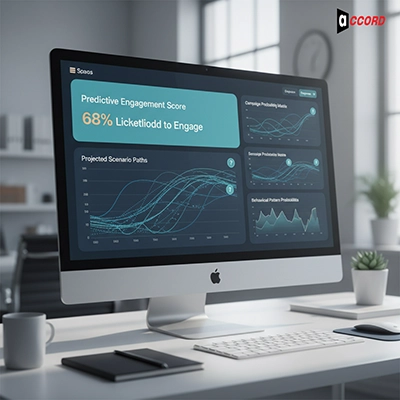
Picture two people who have signed up going to the same page about prices. One person downloads a guide to comparisons. The other person leaves quickly. Hyper-personalization looks at these signals in a different way. One gets follow-up education. The other person doesn't get anything for a while. Being quiet can be polite.
This method helps people trust each other. Engagement comes from trust. Engagement keeps things from going wrong. This approach mirrors how experienced marketers think, not how automation tools are marketed. Prepared to make a choice
Automating without losing our humanity
In 2026, effective automation still has a simple structure.
-
A trigger that makes sense
-
A rule for making decisions that is well thought out
-
Choosing relevant content
-
Timing is important
-
Learning from what happens
AI makes each step better, but people set the rules. This keeps messages in line with brand values and stops tone drift.
Predictive email analytics trends
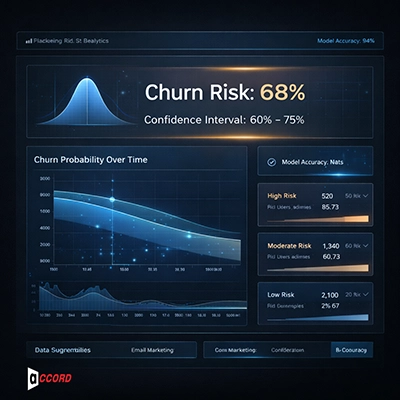
The best email analytics trends for predicting the future don't have anything to do with predicting sales. They are about guessing when someone will be ready. Willingness to get involved.
Being ready to learn. Prepared to make a choice at the right moment.
Experienced teams treat these signals as probabilities, not guarantees. They let people take control of systems when something doesn't seem right.
Marketers can change the tone and frequency of their ads when they know when these moments will happen. Sometimes the best guess means sending fewer emails, not more.
How predictive insights make the user experience better
Predictive analytics can tell when a subscriber is too busy. When interest is waning. When trust is in danger. When used correctly, predictions can help marketers take a step back at the right time. That restraint often leads to better long-term results than aggressive optimization.
Where teams use prediction wrong
When you treat a prediction as certain, it can be harmful. Models show what has happened, not what people want to happen.
In 2026, responsible teams look at predictions in light of the facts. They write down their assumptions. They let people take control of systems when something doesn't seem right. In several cases, manual overrides prevented long-term damage to subscriber trust.
Being humble keeps predictive systems working well.
Interactive AMP email design
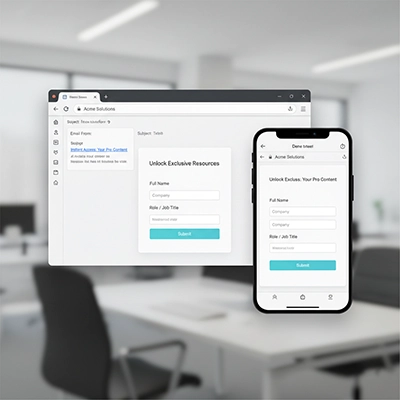
With interactive AMP email design, emails can include live elements that update or respond directly inside the inbox. People can fill out forms, schedule meetings, or respond to polls without opening a browser.
This feature works mostly in Gmail and a few other email clients, and that limitation needs to be respected. Teams that tested AMP selectively reported higher completion rates without increased complaints. In those cases, AMP was used to reduce friction, not to add complexity.
When AMP makes tasks easier, it performs best, confirming attendance, setting appointments, or collecting quick feedback. These interactions save time, feel useful, and don’t demand extra attention.
AMP hurts performance when it’s treated as decoration. Bright animations, crowded layouts, or confusing interactions quickly discourage users. In those situations, engagement drops. In 2026, simple implementations win.
AI agents that work with email marketing
AI agents do not work as independent marketers. They watch and help. They keep an eye on changes in engagement. They mark risks to deliverability.
Most high-performing teams restrict agents to advisory roles rather than autonomous execution. They don't send emails on their own without supervision.
Why governance is important
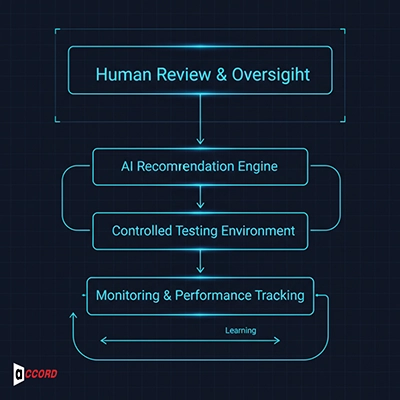
AI agents make mistakes worse when there are no guardrails. They stop them with structure.
A healthy workflow has:
-
AI ideas
-
Review by a person
-
Testing under control
-
Monitoring all the time
-
Learning after sending
This structure protects the brand's voice and boosts confidence within the company.
Privacy as a way to grow, not a problem
Impact of data privacy on email marketing
Privacy expectations have a direct effect on engagement in 2026. Subscribers stop paying attention more quickly when they think they are being watched or misunderstood.
Data privacy has an effect on email marketing in small ways. Preference centers build trust. Less complaints happen when things are explained clearly. Respect helps people stay.
Privacy is now a part of the experience, not just a legal note.
Technical trust signals are more important than ever
Authentication protocols, unsubscribe links that are easy to find, and a consistent identity are now required. Providers of inboxes check them all the time.
Brands that don't pay attention to these basics fade away.
Writing emails that seem real
How to use AI for email copywriting responsibly
AI helps writers come up with new ideas, make language easier to understand, and try out different versions. It doesn't get the subtleties or the timing.
The best teams use AI to help them come up with new ideas. Writers set the tone. Editors make things clearer. People are still responsible.
Writing habits that last through every algorithm
Subject lines that are clear. One thought per email. Expectations that are honest. These habits still work because they care about their readers.
Picking help without making school a business
Many teams wonder whether hiring the Top-rated email automation agency Best email marketing company in USA actually improves outcomes. It depends on how well things fit together.
A Top-rated email automation agency should not only install software but also teach systems.
Some businesses use AI-driven email newsletter services to keep things the same. Some people are more interested in ROI-focused email marketing solutions tied to retention.
Accord Tech Solutions is often referenced for its process-driven approach, where systems, governance, and education matter more than short-term automation gains.
Choosing support without turning education into sales
Many teams wonder whether hiring the Top-rated email automation agency Best email marketing company in USA actually improves outcomes. The answer depends on alignment.
A Top-rated email automation agency should teach systems, not just deploy software.
Some organizations benefit from AI-driven email newsletter services to maintain consistency. Others focus on ROI-focused email marketing solutions tied to retention.
Accord Tech Solutions is often mentioned as an example of a process-driven approach rather than hype-based execution. This balance matters long term.
Questions that are often asked
Insight Box from Accord Tech Solutions
Pay attention to intent, not volume Don't push, listen to AI Show that you care about privacy. Keep people in charge Don't count clicks; count trust.
Final thought
In 2026, email marketing rewards being clear, holding back, and being kind. AI-powered email marketing 2026 works when technology helps people make decisions. When hyper-personalized email automation respects intent, it works.
You can only use predictive email analytics trends if you are humble. Interactive AMP email design is important when it saves time. Teams that win in 2026 are not the loudest, but the most patient and transparent.