
SEO and email marketing work best when they support each other. Each does a different job. Together, they make a system to get real leads.
SEO brings people to your website. 68% of online experiences start with a search engine. But most visitors leave without taking action.
Email helps you stay in touch. It builds trust and guides people step by step. Email marketing gives $36 for every $1 spent.
By combining SEO and email, you get the best of both. SEO finds the right people. Email helps them become real leads.
Segmented and targeted emails convert better. SEO brings visitors. Email helps them take the next step.
In this blog, you will learn how to use SEO and email marketing together to turn visitors into qualified leads.
What “Qualified Leads” Really Mean in Modern Marketing
It’s easy to think that more visitors mean more sales. But that’s not true. Not all traffic becomes buyers. That’s why qualified leads matter.
A lead is anyone who shows interest in what you offer. They might sign up for a newsletter, download a guide, or fill out a form. But not all leads are ready to buy. Only some are serious. These are your qualified leads.
-
MQL - Marketing Qualified Lead.
These people are relevant to your audience and show interest. They may have downloaded a guide or clicked through a series of blog posts. But they’re not ready to buy yet, but it’s worth waiting for.
-
SQL - Marketing Qualified Lead
These leads are closer to buying. They may want to take a demo, ask for pricing, or visit your website often. SQLs are ready for a conversation with your sales team.
This is important for lead generation with SEO. SEO brings visitors, but not all of them will convert. You need to know who is truly interested. That’s where email helps. It nurtures MQLs and moves them closer to becoming SQLs.
Research shows that companies that nurture leads get 50% more sales-ready leads at 33% lower cost. Focusing on qualified leads is smarter than chasing traffic alone.
Always remember: quality matters more than quantity. SEO brings the right people. Email helps turn them into real, qualified leads.
How SEO Attracts High-Intent Traffic That Converts
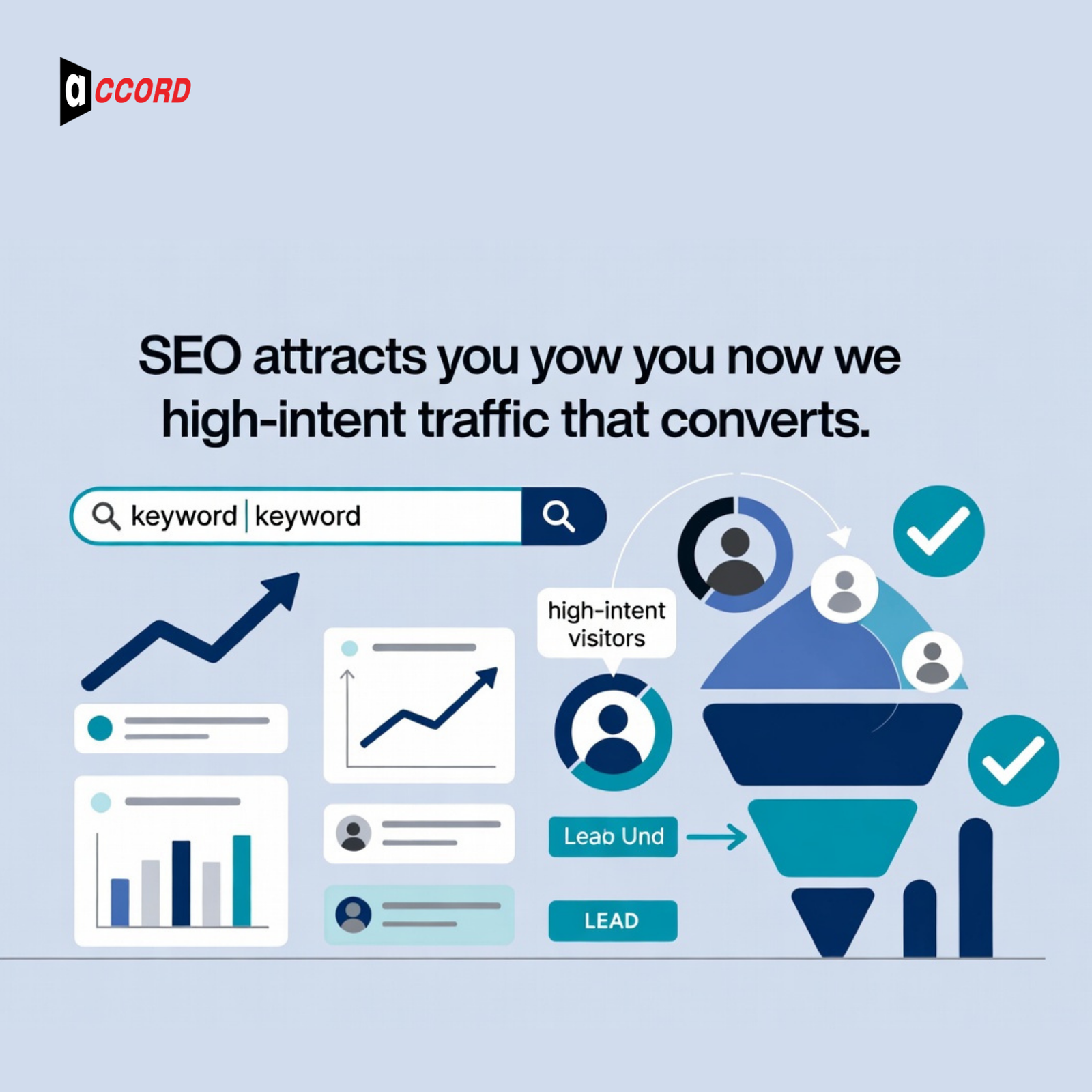
Getting visitors to your site is good. But getting the right visitors is better. Many visitors don’t buy or sign up. That’s why focusing on search intent matters.
When people search online, they have a goal. Some want information. Some want a solution. Some are ready to buy. If you target the right searches, you get traffic that can turn into qualified leads.
Intent-Based Keywords That Drive Qualified Leads
Not all keywords bring the same results. Some attract casual readers. Others bring people ready to take action.
-
Problem-aware keywords: These people know they have a problem, but don’t have a solution. For example: “How to increase email open rates.” You can help with guidance or documentation.
-
Solution-aware keywords: These people know exactly what solution they want. For example: “The best email marketing tool for small businesses.” You can share your tools' details here.
-
Comparison keywords: These people make decisions. For example: “Mailchimp vs. Constant Contact pricing.” They are the same thing.
Finding keywords is a great way to drive traffic with SEO. It helps attract people who want to be engaged.
Content Clusters That Match the Buyer Journey
Single blog posts are not enough. You need clusters of content that guide visitors step by step.
-
Awareness content: Teach or inform, like blog posts and guides.
-
Consideration content: Share detailed articles, case studies, or comparisons.
-
Resource content: Provide samples, free test cases, or product documentation.
Attachments can help send emails. You can send emails based on what customers are reading and where they are in their journey.
Keywords You Should Avoid Ranking For
Not every keyword is worth your time. Some bring visitors who never convert.
-
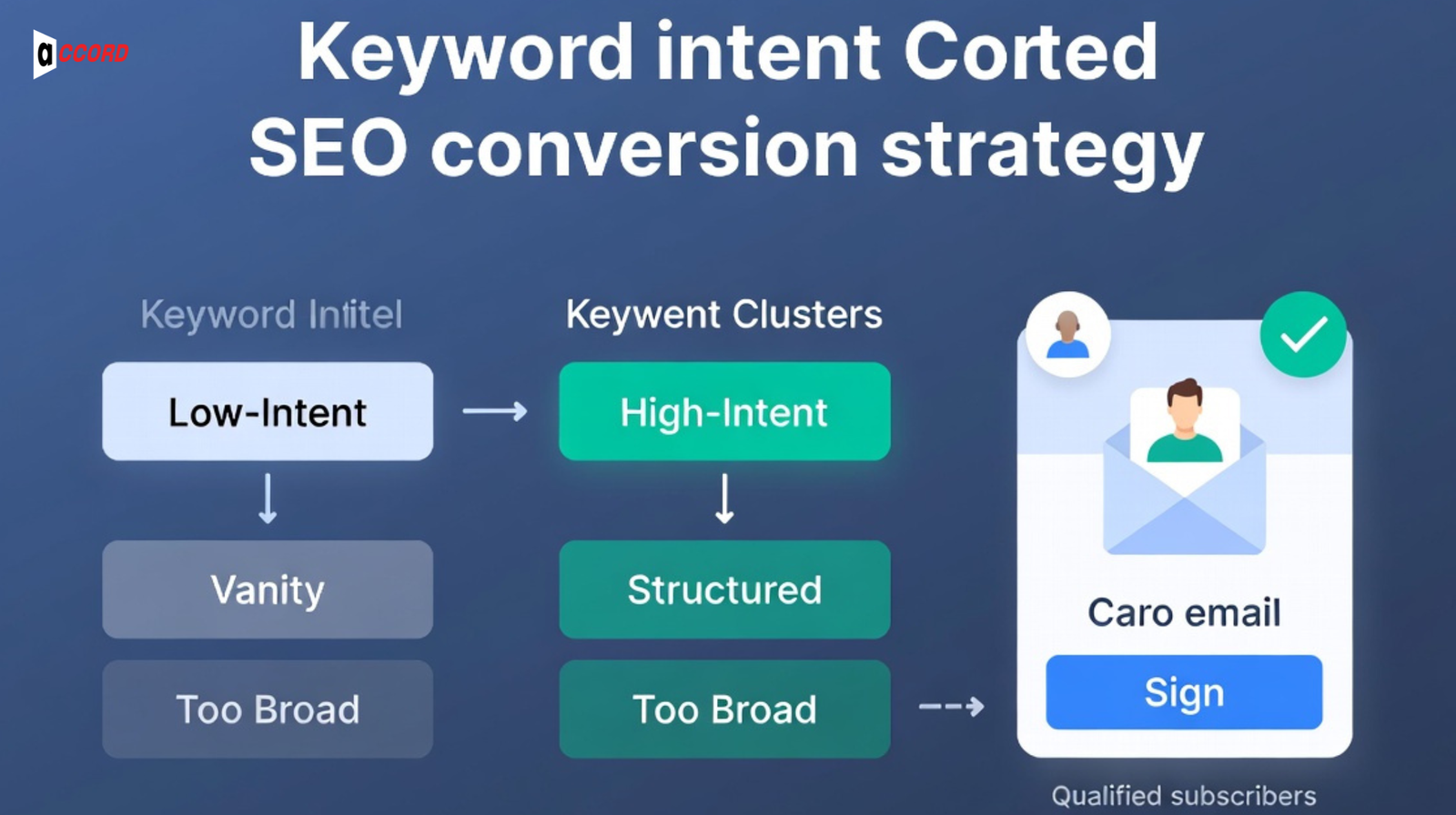
Low-intent keywords: People are looking at things, but they’re not ready to buy.
-
Vanity keywords: They look nice in the report, but they don’t help your business.
-
Too-broad keywords: It’s hard to compete with bigger sites.
Focusing on the right keywords brings high-intent visitors. These are people more likely to sign up, engage, or buy.
By choosing the right keywords and creating content clusters, you turn SEO traffic into high-quality leads. These are the people ready for your emails and your offers.
Turning SEO Traffic Into Email Subscribers
Getting visitors to your site is just the first step. SEO alone cannot build trust. Most people leave without taking action. That’s why email is important.
Email helps you stay in touch. It guides visitors step by step. You can share tips, teach something useful, and show why your product or service works. Email turns visitors into real leads.
Content Upgrades That Convert Search Visitors
A generic newsletter is not enough. People want something useful. That’s why content upgrades work best.
-
Checklists: Simple lists to solve a problem.
-
Templates: Ready-to-use resources visitors can use right away.
-
Guides: Step-by-step instructions that teach something valuable.
These upgrades make people more likely to give their email. Small businesses can get great results using email marketing services for small businesses to deliver these upgrades.
Contextual CTAs Inside SEO Content
Where you put your call-to-action matters. CTAs inside the blog content work better than pop-ups. They match what the reader is already seeing.
For example, if someone reads a post about “building email funnels,” a CTA offering a free lead mapping template fits perfectly. Visitors are more likely to sign up.
Using CTAs this way is a smart way to combine SEO with email campaigns. You get more signups and better leads without annoying your visitors.
Segmenting Email Subscribers Based on SEO Intent
Not all visitors are the same. People visit your site for different reasons. Some want to learn. Some are ready to buy. That’s why segmenting your email list is important.
Segmenting lets you send the right message to the right person. When emails match what people want, they read them and take action. When emails don’t match, they ignore them or unsubscribe.
Mapping SEO Keywords to Email Segments
Keywords tell you what a visitor is looking for. You can use this to guide your emails.
-
Informational keywords: People are learning or exploring. Example: “How to improve email open rates.” These visitors get education emails with tips and guides.
-
Commercial keywords: People are ready to buy or compare products. Example: “best email marketing tools for small business.” These visitors get sales emails with demos, trials, or offers.
This is a smart way to combine SEO with email campaigns. Your emails stay useful, and visitors turn into real leads.
Why One-Size-Fits-All Email Lists Fail
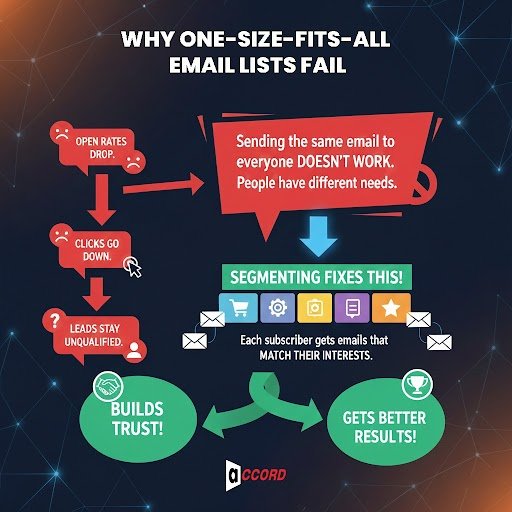
Sending the same email to everyone doesn’t work. People have different needs.
-
Open rates drop.
-
Clicks go down.
-
Leads stay unqualified.
Segmenting fixes this. Each subscriber gets emails that match their interest. This builds trust and gets better results.
Building Email Funnels That Qualify Leads Automatically
Not all leads are ready to buy. Email funnels help you find serious buyers without pushing too hard. A good funnel guides people step by step. It builds trust and moves them closer to making a decision.
Educational Email Sequences for Early-Stage Leads
Some visitors are just learning about your topic. They need help before buying. Educational emails give tips, advice, or simple how-to guides.
Teaching your audience builds trust. It shows you know your topic. When people trust you, they are more likely to take the next step.
This is the base of content marketing and email funnels. It prepares leads before you make an offer.
Automated Email Campaigns Based on Behavior
Not all leads act the same. Some click links, visit pages, or download resources. These actions show interest.
You can send emails based on these actions automatically. For instance:
-
Click on the Pricing page - send a demo invite.
-
Download the guidelines - send the values or actions.
Automation can help you reach the right people at the right time. Here’s how automated email campaigns work.
Using Engagement Signals to Identify Sales-Ready Leads
Some leads show strong interest. They reply to emails, click multiple links, or read many pages. These people are ready to buy.
You don’t need to push them. Engagement signals help you spot sales-ready leads naturally. You can focus on the people most likely to convert.
How Email Engagement Improves SEO Performance
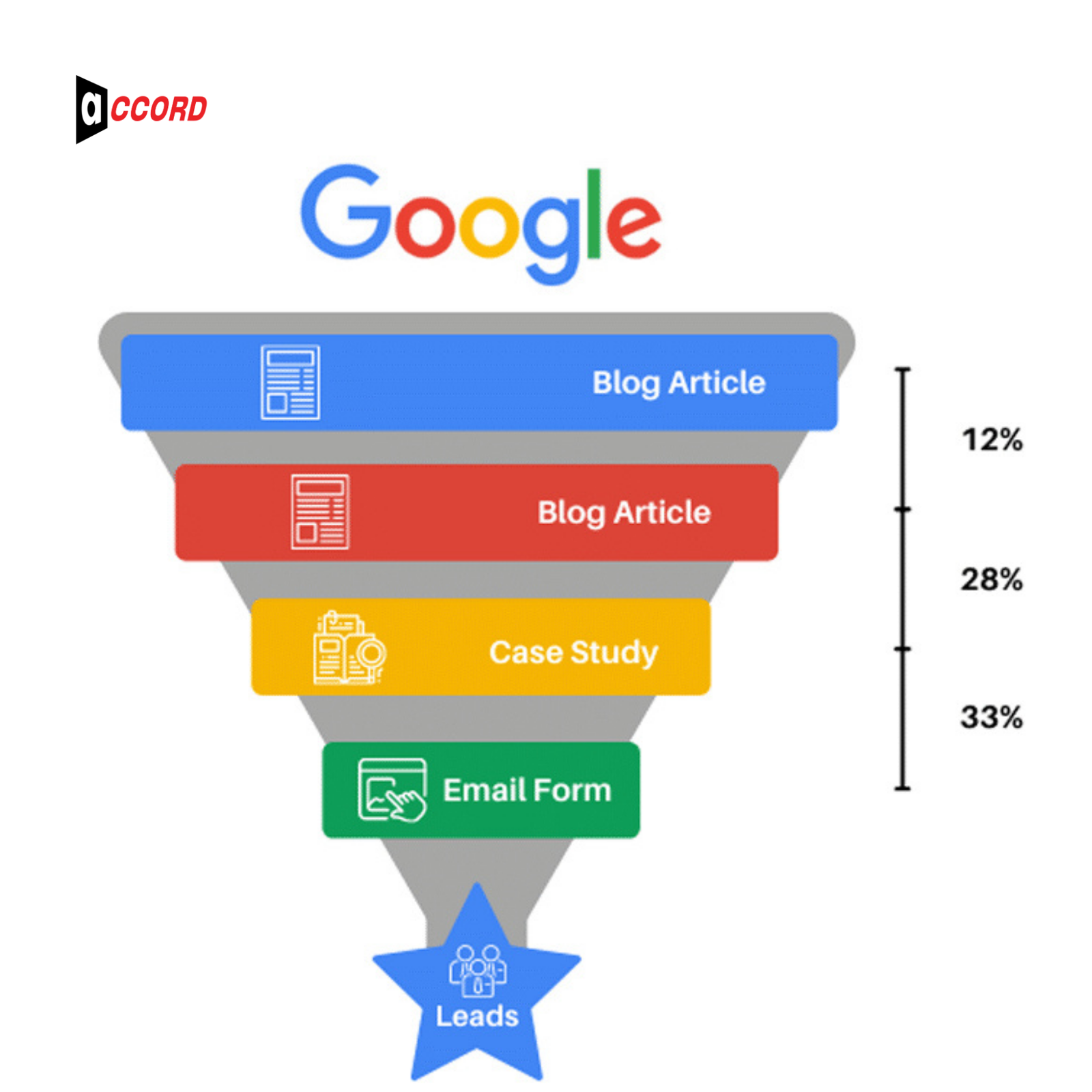
Most people treat SEO and email separately. But they work better together. Email engagement gives you clues about what your audience really cares about. This helps you make better SEO decisions.
When people open your emails, click links, or reply, you can see which topics they like. This tells you what content to focus on. You don’t have to guess; your audience guides your SEO.
Using Email Click Data to Refine SEO Topics
High-click emails show which topics matter most. For example, if you’re getting emails about “building email funnels,” that means you need to pay attention to this.
You can turn it into:
-
A detailed Blog post.
-
A Step-by-step guide
-
A case study
This will amplify your content and increase engagement. Sites that include user activity data have more than 100% occupancy. Using email clicks can help you focus attention on topics that matter and improve your SEO.
Turning Subscriber Questions Into SEO Content
Emails often bring questions or feedback. These are real ideas for blog posts or FAQs.
For example, if many subscribers ask, “How do I segment email subscribers based on SEO keywords?” you can write a guide answering it. This improves your content’s relevance and search rankings.
By using this feedback loop: SEO brings visitors → email engages them → email shows what content to improve → SEO grows, you create a system that works.
If done right, this strategy will attract more visitors and potential leads. Here’s how SEO and email marketing work together to make your business a success.
SEO Lead Comparison and Email Quality
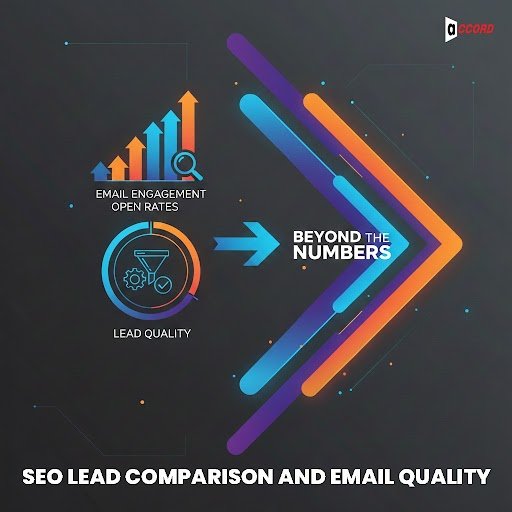
Most customers look at email engagement and open rates. But these numbers don’t tell the whole story. If you want to get out of it, the quality of leads needs to be considered.
Good metrics show that SEO efforts and emails generate leads. This divides the true result by a random number.
Important measurement.
For lead generation with SEO, here are the metrics that prove success:
-
MQLs (Marketing Qualified Leads): Visitors who connect with your audience and show interest.
-
SQLs (Sales Qualified Leads): Those who are ready to engage with a sale. They do things like ask for signs or take valuables.
-
Conversion rate per keyword: Finding the keywords that drive conversions.
-
Email conversion to sales: See how your sales emails convert to sales conversations.
Tracking this will help you focus on leads, not just visitors. Most companies often generate 50% more revenue than those that only look at traffic.
Metrics that Mislead Most Teams
Many teams still watch pageviews, email opens, or clicks. This can be bad:
-
Pageviews: High traffic doesn’t mean high interest.
-
Open Rates: Opening an email does not necessarily indicate purchase intent.
-
Just one click: Clicking on a link is not a good idea as a lead.
Looking at these numbers alone is a waste of time. Instead, look for leads from your funnel and actions that indicate genuine interest.
Effective content testing can help improve your SEO content, emails, and conversion rates. This is how lead generation with SEO becomes predictable and effective.
Common Mistakes in Combining SEO and Email Marketing
Professionals make mistakes that don’t lead to sales growth. Avoid mistakes:
-
Follow a large audience: A large audience doesn’t necessarily mean success. Focus on finding the right people, not the crowd.
-
Send Regular Email: One-size-fits-all emails get ignored. Send emails that match what each person wants.
-
Ignoring Automation: Sending emails manually takes time. Automation helps deliver the right message at the right moment. It keeps leads engaged.
-
SEO and Email in Silos: SEO brings visitors. Email nurtures them. When they work together, you get better, qualified leads. Don’t run them separately.
By keeping this in mind, you can combine SEO and email marketing and generate better leads.
How Small Businesses Can Apply This Without Large Capital
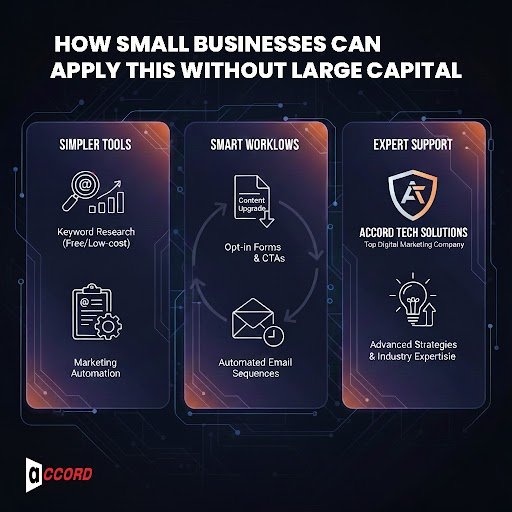
You don’t need a big company or a lot of money to use SEO and email marketing. Small businesses can achieve better results with simpler tools and smart workflows.
Think about your ideal audience and leads. Use free or low-cost tools for keyword research, email capture, and automation. Even simple email marketing services for small businesses can handle segmentation, automated emails, and tracking engagement.
Offer content upgrades like checklists, templates, or guides. Place CTAs inside blog posts to collect emails. Set up automated emails triggered by clicks, downloads, or page visits. This lets you nurture leads without spending hours manually sending emails.
For extra support, Accord Tech Solutions can help. We are a top digital marketing company and global service provider. Our experts use advanced strategies and have industry expertise to deliver SEO and email marketing that works.
The key is to work smarter, not harder. With simple tools, automation, and expert help from Accord Tech Solutions, small businesses can turn SEO traffic into real leads.
Conclusion
Using SEO and email marketing together is the best way to get real leads. SEO brings the right visitors. Email guides them step by step. Together, they turn visitors into customers.
Quick tricks can cause congestion, but not everything. A strong strategy ensures customer satisfaction and helps your business grow in the long run.
Accord Tech Solutions can help small and large businesses get results. We are a top digital marketing company with global experience. We provide expert SEO and email marketing services to turn your website traffic into qualified leads.
Contact Accord Tech Solutions today and start building a lead generation system that really works.