

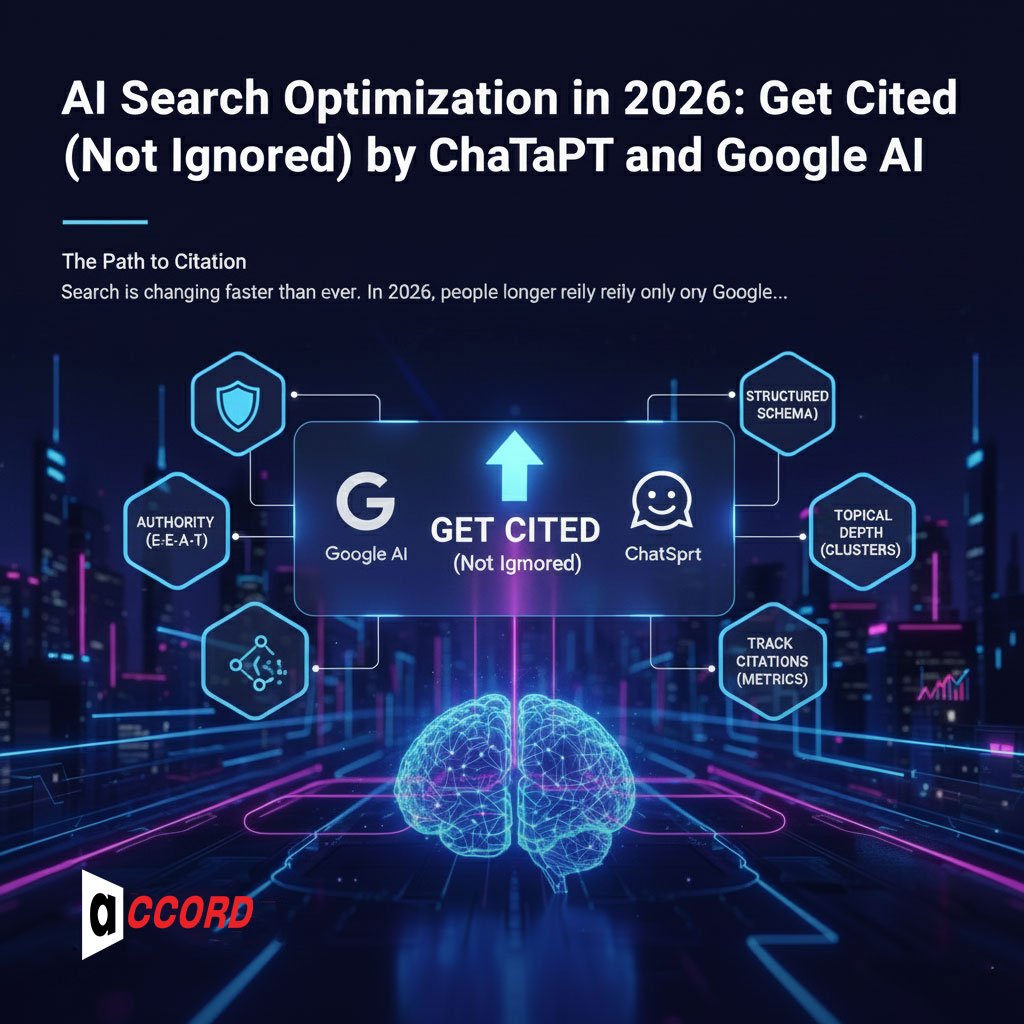
Search is changing faster than ever. In 2026, people no longer rely only on Google to find answers, recommendations, and brands. They now ask ChatGPT, Google AI Overview, Claude, Gemini, and Perplexity — and these AI systems reply with summarized insights, authoritative references, and direct citations.
If your brand appears inside those answers, you instantly gain high-intent traffic, trust, and credibility. If your brand is ignored, you lose visibility — even if your traditional SEO is strong.
This new frontier is known as AI Search Optimization. And in 2026, it has become a must-have strategy for any business that wants sustainable visibility.
This guide will show you step-by-step how AI search works, why AI citations matter more than rankings, and how to optimize your site so AI systems choose your content over your competitors.
AI search is not the same as Google ranking. Traditional SEO focuses on indexing pages and ranking them by relevance. AI search does something entirely different.
AI systems follow three stages:
1. AI First Understands the User's Intent
When a user types a query like "best marketing tools," AI doesn't just check it directly. It often expands the query, adds context, predicts user needs, and searches for related subtopics.
For example, ChatGPT may also look for "best AI marketing tools 2026," "marketing automation tools comparison," and "affordable marketing software for startups." This expansion means your content must cover semantically related topics — not just target keywords.
2. AI Retrieves Information from Multiple Sources
Each platform uses its own data sources:
AI Platform | Where It Retrieves Information From |
ChatGPT | Live search + training data + Reddit + reviews |
Google AI Overview | Google index + Knowledge Graph |
Claude | Fresh authoritative sources only |
Perplexity | Real-time web search + YouTube + articles |
Gemini | Training data + Google search |
This retrieval phase is where technical optimization becomes crucial. If AI bots cannot crawl your site, they cannot use your content — no matter how good it is.
3. AI Synthesizes and Chooses Which Sources to Cite
Here is where most brands get ignored. AI picks content based on authority (entity recognition, brand presence), structure (clear sections, bullet points, definitions, FAQs), context (semantic coverage, depth, and relevance), and freshness (updated content with visible dates). If your website does not match these criteria, AI simply selects another source.
Why AI Search Optimization Matters in 2026
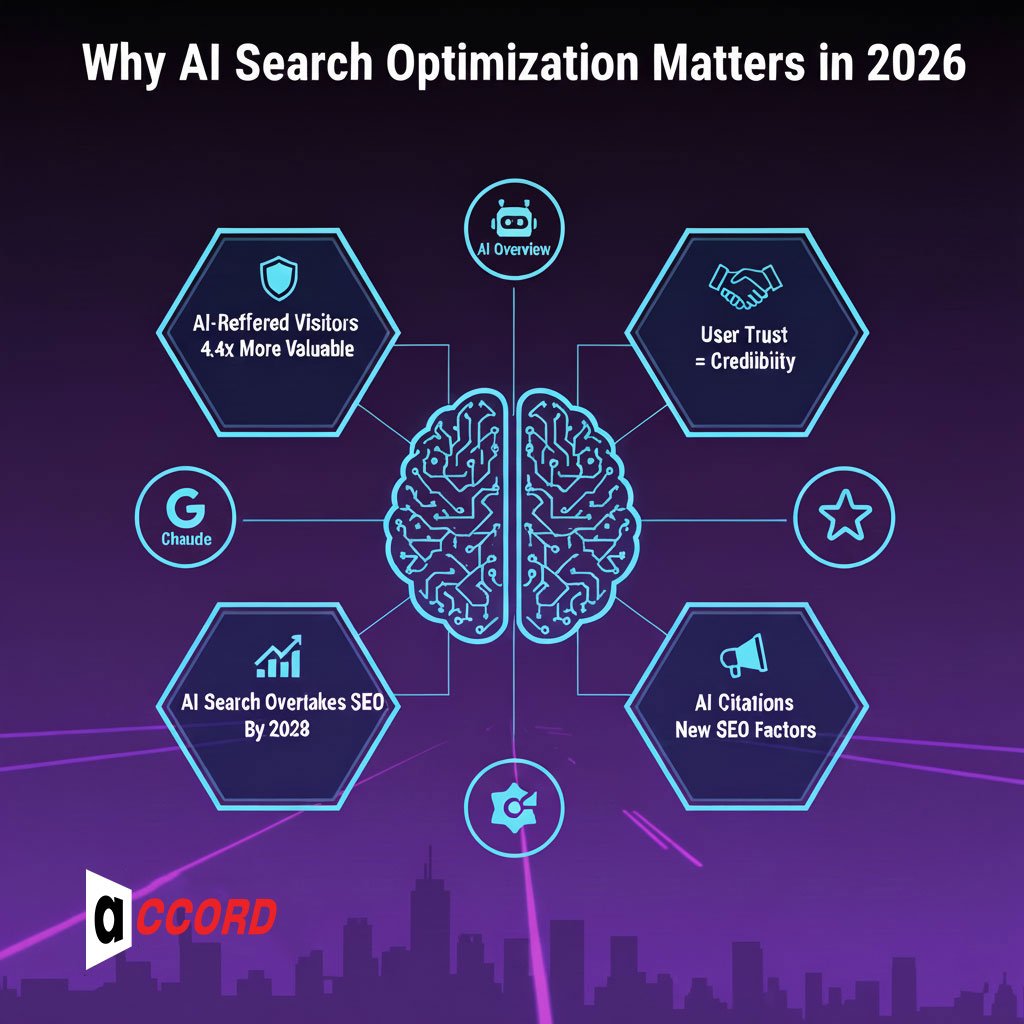
Over 700 million people use ChatGPT weekly. Perplexity, Gemini, and Claude are experiencing explosive growth. Google AI Overview already has more than 100 million active users and continues expanding globally.
- AI search will overtake traditional Google search by 2028
- AI-referred visitors are 4.4× more valuable than standard organic visitors
- Users trust answers that include clear citations
- Brands that appear in AI answers gain instant credibility and high-intent traffic
In short: AI citations are the new SEO ranking factors.
Get Cited, Not Ignored — What AI Actually Wants
AI tools consistently prefer content that is:
- Clear: Use H1, H2, H3, lists, tables, and short paragraphs.
- Direct: Answer questions quickly and avoid filler language.
- Semantically rich: Cover subtopics, related questions, and supporting concepts.
- Informative: Include definitions, examples, comparisons, and structured insights.
- Up-to-date: Show publication dates and last updated dates prominently.
📖 Related: Zero-Click Search & Featured Snippets: How to Still Get Traffic in 2026 | From Rankings to Revenue: How SEO Success Is Measured Differently in 2026
Technical Foundations for AI Search Optimization
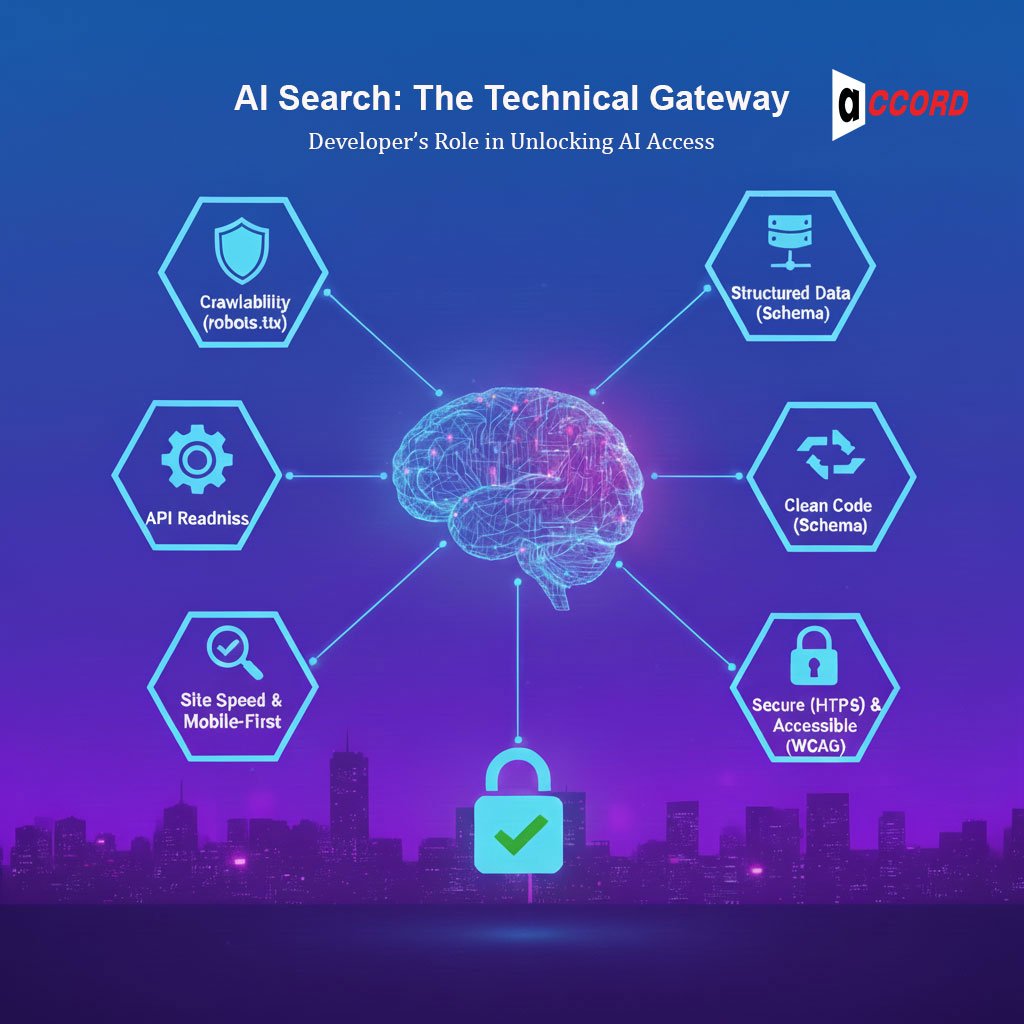
Your developers play a critical role in whether AI crawlers can access your site. Without proper access, you simply won't be cited — regardless of your content quality.
1. Allow AI Crawlers Through robots.txt
Make sure the following bots are explicitly allowed in your robots.txt file:
User-agent: GPTBot
Allow: /

User-agent: Google-Extended
Allow: /

User-agent: Claude-Web
Allow: /

User-agent: PerplexityBot
Allow: /
Blocking these bots means blocking your AI visibility entirely.
2. Whitelist AI Bots in Firewalls
Tools like Cloudflare often block AI bots by default, marking them as "suspicious" or "malicious." Ensure these user agents are explicitly whitelisted in your firewall rules. If AI crawlers receive 403 errors, your content disappears from AI search results regardless of your content quality.
3. Use Semantic HTML — AI Needs Structure
AI understands page structure through semantic HTML elements:
<h1>→ main topic<h2>→ subtopics<article>→ core content<main>→ important sections<aside>→ non-critical supporting info
Avoid placing all content inside generic <div> tags. AI cannot interpret structure from divs alone.
4. Avoid Hiding Content Behind JavaScript
AI crawlers cannot execute JavaScript-heavy content. If key information only loads after JavaScript runs, it becomes completely invisible to AI systems.
Common formats that block AI access include lazy-loaded text sections, accordion content hidden by JavaScript, and tabbed interfaces not rendered directly in HTML. Keep all crucial information in the page's base HTML.
5. Improve Server Response Time
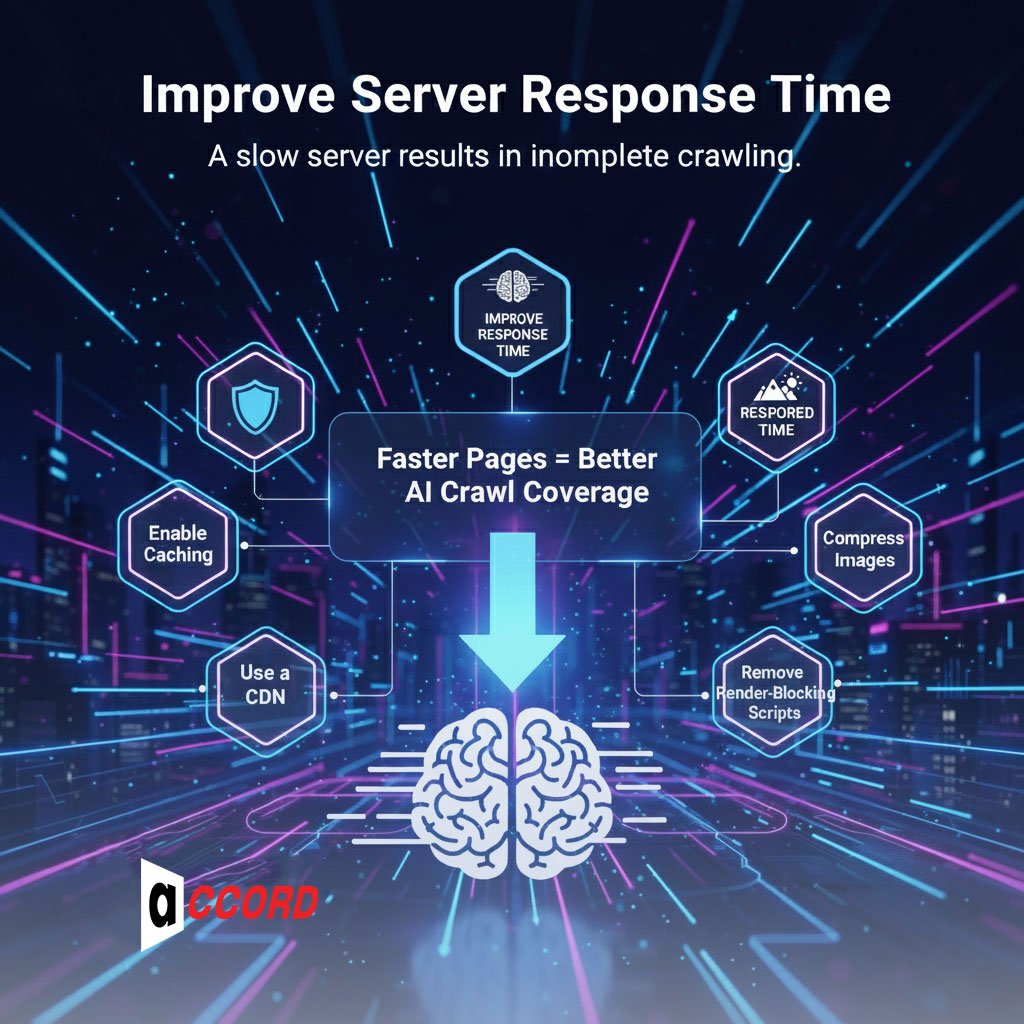
A slow server results in incomplete crawling. To maximize AI crawl coverage, enable caching, compress images, use a CDN, and remove render-blocking scripts. Faster pages equal better AI crawl coverage — and better citation eligibility.
📖 Related: AI Search Optimization (AEO) in 2026: How Brands Get Cited in ChatGPT & Google AI | AI-Powered SEO Strategy: How Small Businesses Can Compete in 2026
SEO Strategies for AI Optimization
Your SEO team's role in AI optimization is ensuring AI systems can understand your content and extract valuable, quotable fragments from it.
6. Use Fragment-Friendly Formatting
AI pulls sentences, definitions, and content blocks directly from your pages. To help AI extract content easily, use bullet lists, start sections with concise direct answers, add short explanations before diving into detail, include tables and comparisons, and break long content into clearly labeled subsections. Fragments equal citations. Citations equal traffic.
7. Build Topic Clusters for Topical Authority
AI rewards sites that demonstrate complete, authoritative coverage of a topic. If you write about AI SEO, your content cluster might include an AI SEO checklist, how LLMs crawl websites, how to appear in ChatGPT recommendations, AI-driven content optimization, and AI citation ranking factors. Comprehensive clusters signal to AI that your site is a trusted authority on the subject.
| Pillar Topic | Cluster Content |
| AI Search Optimization | AI SEO checklist |
| How LLMs crawl websites | |
| How to appear in ChatGPT recommendations | |
| AI-driven content optimization | |
| AI citation ranking factors |
Content Strategy — Becoming a "Citable" Source in AI Answers
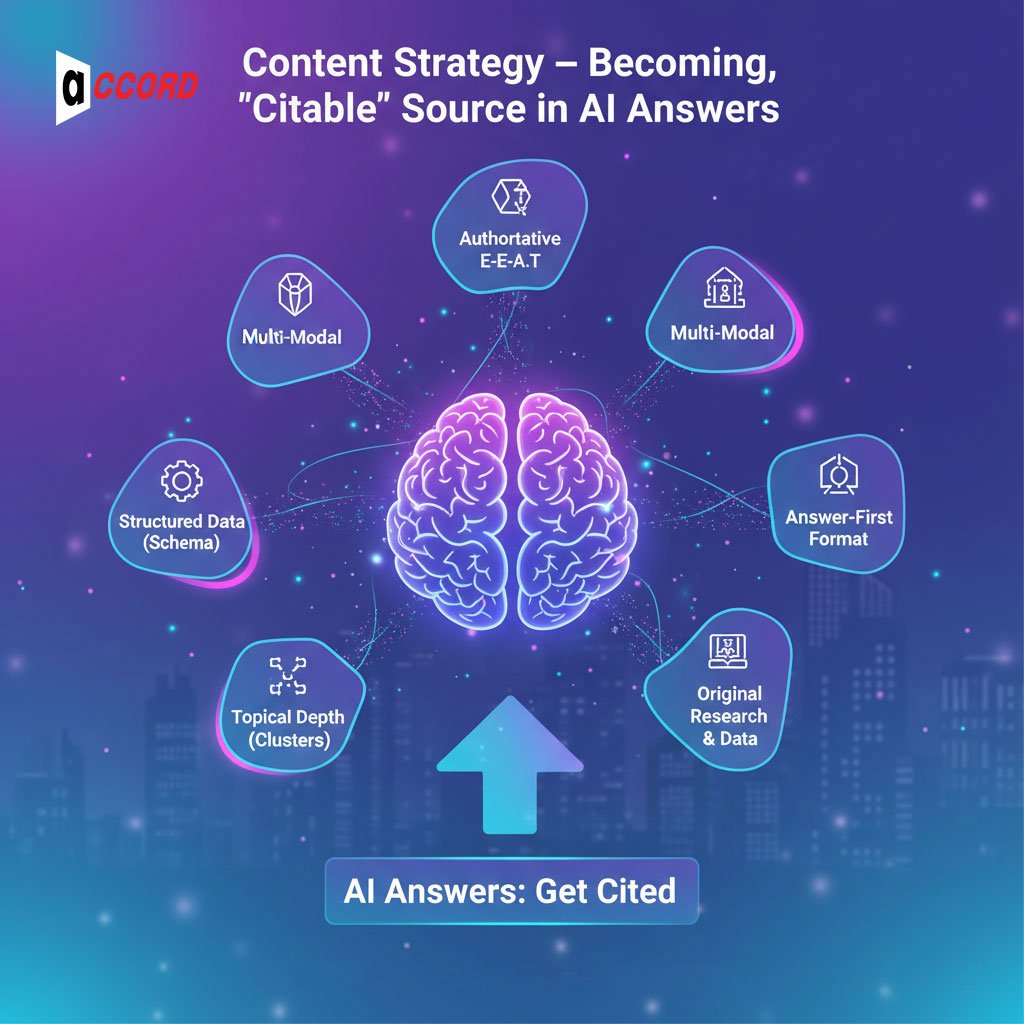
Being indexed is not enough. You need content that AI systems actively want to cite.
8. Publish Original Insights & Data
AI consistently prefers original case studies, proprietary data, performance benchmarks, unique frameworks, and step-by-step instructions based on real experience. Generic, widely available content rarely gets cited. Original insights are your competitive advantage in AI search.
9. Add Clear Definitions, Examples & Use Cases
AI uses well-structured definitions as "perfect fragments" for explanations. For example:
What is AI Search Optimization?
A process that makes your website discoverable, understandable, and citable to AI systems like ChatGPT, Google AI, and Perplexity — so your brand appears inside AI-generated answers.
Short, precise definitions like this are exactly what AI pulls into its summaries.
10. Update Content Frequently
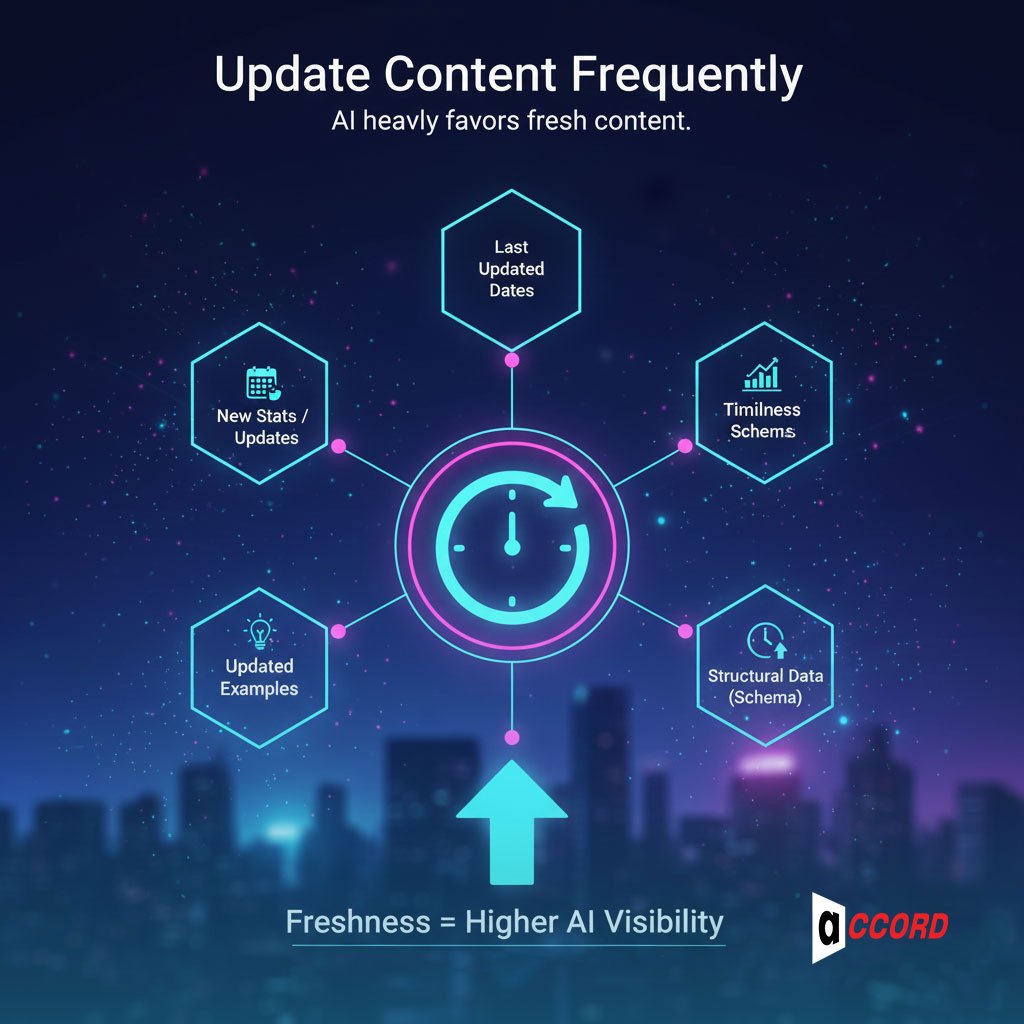
AI heavily favors fresh content. Add "last updated" dates to every page, incorporate new statistics and data as they become available, update year references, and refresh examples to reflect current market conditions. Freshness is a direct factor in AI citation eligibility.
AI Search Optimization Checklist for 2026
| Category | Key Actions |
| Technical | Allow AI crawlers, optimize speed, avoid JS-hidden content |
| SEO | Use semantic structure, topic clusters, and schema markup |
| Content | Add definitions, tables, comparisons, original insights |
| Authority | Build external brand presence, citations, and mentions |
| Maintenance | Update pages quarterly with fresh data and examples |
FAQ — AI Search Optimization (2026)
Conclusion
In 2026, AI search is not just a trend — it is becoming the primary engine of discovery. If your brand appears inside AI answers, you gain trust, authority, and high-intent traffic. If not, your competitors take your place.
AI Search Optimization ensures you don't get ignored. By improving your technical setup, SEO structure, and content depth, you position your brand to become a preferred citation for AI systems worldwide.