
Are bad leads slowly killing B2B growth in 2026? What does a better cold email strategy have to do with it?
That question comes up a lot in sales meetings, growth Slack channels, and late-night calls between founders and revenue leaders. Yes, the short answer is yes. Bad leads are hurting more teams than they know in 2026. The longer answer is more awkward. A lot of businesses are still going for volume instead of relevance. They send out a lot of emails and wonder why the results keep getting worse.
Several industry reports from companies like HubSpot and Gartner showed the same trend in the first three months of 2026. There are more emails being sent than ever, but fewer conversations are starting. This is important because the way businesses buy things has changed. People who buy things are more knowledgeable, more careful, and much less likely to respond to generic outreach. It's not about how many emails you send anymore when it comes to modern cold email. It's about who you talk to, how you sound, and whether you deserve a response.
Why did volume stop working, and what changed in B2B outreach?
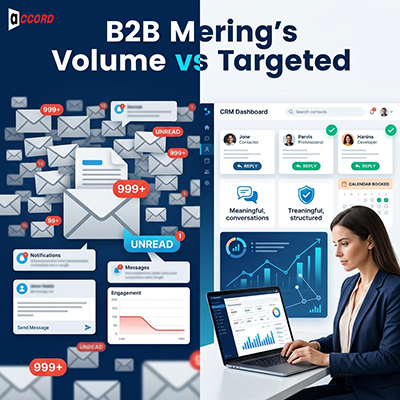
There was a time when just a lot of it worked. Ten years ago, there wasn't as much noise in inboxes. Spam filters were easier to use. It was easier to get in touch with decision makers. Many teams based their growth engines on the idea that if they sent enough messages, something would stick.
That world is no more. Today, where an email goes in your inbox depends on the sender's reputation, how well the domain is warmed up, and how often you interact with it. When teams send a lot of emails without keeping an eye on them, they don't get delivered as quickly. Messages go to spam or promotions, where they are not seen or read. The damage is often invisible until Reply rate improvement collapses.
I have seen this with my own eyes. In late 2025, I helped a SaaS company that sent out more than 50,000 emails a month. It looked good on paper. In reality, their B2B email outreach was barely producing meetings. After we looked over their setup, the problem was clear. Bad targeting, weak personalization, and no Email engagement optimization. Volume had turned into the enemy.
Cold emails still work, but only if you follow the new rules
Let's talk about the big issue. Cold emails still work. In fact, cold emails will still work better than many teams think they will in 2026. People are confused because they don't all agree on what "working" means.
No, if working means blasting templates and hoping for the best, then no. Yes, if working means having real conversations with the right people, then yes. When someone asks if cold emails still work, the real question is whether their method fits with how people buy things today.
Modern buyers care about how relevant something is. They respond when an email seems personal to them and not like a list.
This is where conversation-based email marketing starts to matter.. Emails that sound like real people, take the situation into account, and ask for a conversation do much better than generic pitches.
The cost of bad leads that no dashboard shows
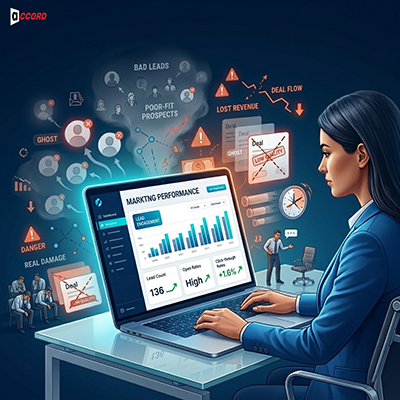
Bad leads don't just waste time. They slowly destroy trust, reputation, and morale. When salespeople spend hours chasing people who were never a good fit, they get burned out. When domains are flagged for low engagement, future campaigns are hurt.
There is also a cost for the brand. Every message that isn't relevant hurts your credibility. Over time, people stop thinking of your business as valuable. They think of it as noise.
This is why improving the reply rate is more than just a number. It is a sign. A low reply rate often means your message does not resonate or your Audience segmentation strategy is broken. More than just changing the text is needed to fix that. It means rethinking what a lead is in the first place.
Why cold email mistakes that kill replies are still common
Most failures happen because the same mistakes happen over and over again. Teams buy huge lists without checking them out. They don't warm up the domain. They don't care about where the inbox is. They use the same copy for every job and field.
Another problem that happens a lot is pretending that personalization is real when it isn't. . Adding a first name or company name is not Personalization at scale. Understanding is what makes personalization real. It shows that you know what the reader might be interested in today.
In one campaign I looked at, the subject lines talked about industries that the people who got them weren't even in. No amount of Subject line testing can save a campaign built on flawed data.
Email deliverability is no longer just a technical issue; it's a growth issue
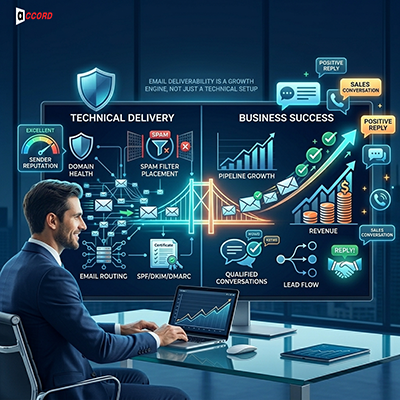
In 2026, the ability to deliver emails is the key to success in outbound marketing. Spam filters are getting better. They keep an eye on how people interact, how senders act, and even how they write.
A sender with a bad reputation hurts everything that comes after. Even the best offers don't work if the emails don't get to the inbox. This is why Sending schedule optimization matters more than people think. Sending too many emails at the wrong time is a red flag. A thoughtful cadence builds trust with both the people who get the message and the people who send it.
Email trust signals also play a role. Plain text emails, consistent sending domains, and authentic language all help. A Human-like outreach workflow often looks less polished but performs better because it feels real.
Why cold email marketing needs fewer leads and better questions
The best campaigns I've seen lately focus on fewer leads that are more relevant. They don't ask for meetings right away; instead, they ask smart questions. They want to talk.
This method is in line with what we see in high-performing teams' outbound email strategies. Instead of pushing features, they look for problems. They don't pitch; they listen.
That change alone can double the reply rate without adding more volume. It also answers a question that a lot of people have. Do cold emails still work? Yes, as long as they respect how people want to interact.
In 2026, cold email vs. LinkedIn outreach
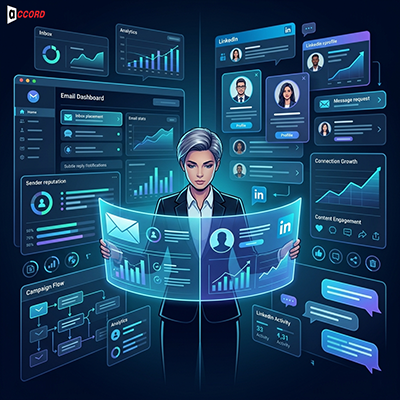
A lot of teams are now arguing about whether to use cold email or LinkedIn to reach out. The truth is not one way or the other. Email is still more scalable. LinkedIn gives things more meaning and trustworthiness.
Smart teams do both. They look things up on LinkedIn and then email to start a conversation. This mixed approach makes personalization stronger and trust signals better. It also makes it less likely that people will ignore you.
This workflow is now better supported by email outreach tools than ever before. Tools can't fix strategy, though. Even the best software won't work if you don't have a clear plan for sending cold emails.
What the reply rates are like right now
Below is a simplified view based on a collection of industry benchmarks from research reports from late 2025.

How to fix cold email outreach without ruining your domain
To improve performance, you need to hold back. Turn down the volume. Get rid of the junk on your lists. Rebuild the health of your domain by warming it up the right way.
Next, revisit your Email copy optimization. Messages that are shorter often win. It matters to have a clear purpose. Don't use buzzwords. Talk like you write.
Testing subject lines should be about making them clear, not clever. A subject that seems honest is usually better than one that tries too hard. Keep in mind that engagement, not tricks, determines where your emails go.
Finally, make sure your messaging is in line with a clear strategy for dividing your audience. One message can't work for everyone. Accept that, and things get better.

Are cold emails no longer useful or just not understood?
This question comes up all the time. Are cold emails no longer useful? No, the answer is no. People don't understand them.
Outreach that is lazy is dead. What remains is considerate and respectful dialogue. Cold email outreach is still a big part of B2B growth, but only if you use it to start a conversation instead of as a way to get things done quickly.
This is also why there is a new demand for cold email services and cold email agencies. A lot of businesses know they need help to change.
Best practices for cold emailing in 2026 that work
In 2026, the best practices are less about hacks and more about the basics. Take your time to build trust. Pay attention to where your emails go. Be aware of timing.
Personalization is important when it matters. Don't pretend. Send emails that only that person could get.
Find out what matters. The reply rate is more important than the open rate. Meetings are more important than clicks. The most important thing is money.
A good cold email strategy brings all of this together into a system that can be used again and again.
Questions and answers from Google People Also Ask
Do cold emails still work?
Yes, but only if they are relevant, polite, and well-targeted. Execution, not volume, determines effectiveness.
What makes cold emails end up in spam?
Some common reasons are a bad sender reputation, not warming up the domain, low engagement, and spammy copy.
What does it take for a cold email to work?
A clear connection, a human tone, the right audience, and a simple call to action that encourages conversation.
Is it worth it to send cold emails?
When done right, it is still one of the most cost-effective ways for B2B companies to start sales conversations.
What users should do next
Check your current outreach. Don't just look at volume metrics. Ask tough questions about how relevant and trustworthy something is.
If you don't get many replies, the market is probably not the problem. It's either the message or the audience.
If your internal resources are stretched, think about hiring experts or looking into cold email consulting. Bad leads can cost more than fixing the system.
What the best teams will do differently in 2026
Teams that do well in B2B send fewer emails, spend more time on research, and see outbound as a way to build long-term relationships. They put money into optimizing email engagement early on and treat sender reputation like an asset. Instead of fighting buyer behavior, their cold email strategy changes with it.
Last thing to remember
In 2026, growth does not come from more noise. It comes from talking to people in a smarter way. Bad leads are more expensive than lost revenue. They hurt trust, morale, and performance over time.
A well-thought-out cold email strategy is still one of the best tools in B2B as long as it is based on respect, relevance, and restraint. It's easy to do just volume. Real growth takes care of itself.