
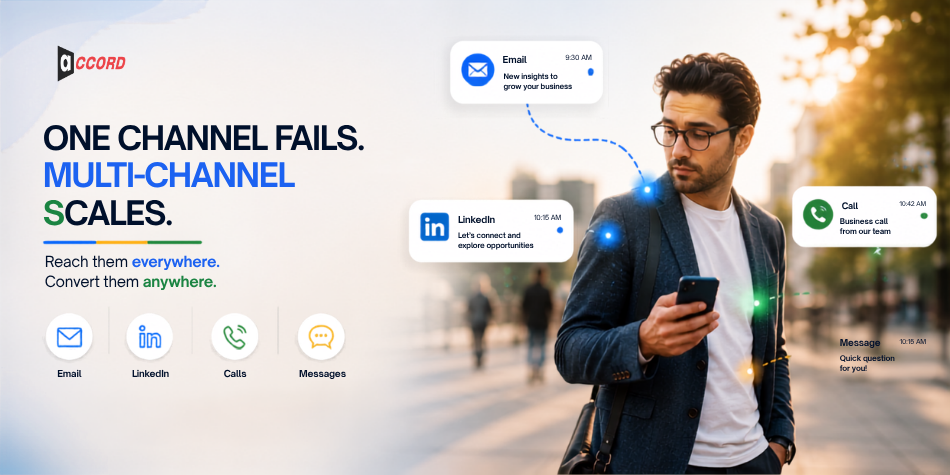
Is Multi-Channel Lead Nurturing the Key to Revenue Growth in 2026?
Yes. In 2026, nurturing leads through multiple channels — not just generating leads — is what creates a steady, predictable stream of revenue. More than 70% of B2B buyers want to engage with a company across more than one channel before talking to sales. Consistent, connected communication is what builds the trust that converts prospects into clients.
📖 Related: Lead Generation + AI Email Marketing for ROI 2026 | The Best AI Lead Generation Tools in 2026
The Real Problem Service Businesses Are Facing Right Now
Most service businesses are not struggling to get leads anymore. They are struggling to convert them.
You may already be running ads, publishing blogs, offering free consultations, or using outbound email. On paper, it looks fine. Leads come in. Calendars fill up. But then something breaks. Prospects go quiet. Sales cycles stretch. Deals stall for reasons that are hard to explain.
This pattern plays out repeatedly with consulting firms, IT service providers, agencies, and SaaS-enabled services. The issue is rarely the offer — it is the lack of consistent, connected communication after the first touch. This is where multi-channel lead nurturing changes the game.
What Is Multi-Channel Lead Nurturing?
Before getting tactical, it helps to ground the concept. Multi-channel lead nurturing is the practice of using coordinated messages through email, SMS, social media, paid ads, webinars, and sales outreach to help potential clients move toward a decision. Every touchpoint builds on the last.
You don't just send one email and hope it converts a cold lead into a customer. You stay present in the background of their workday — helpful, relevant, and consistent. This approach recognizes a simple truth: people do not make service decisions in one sitting. They research. They get distracted. They compare. They ask colleagues. They wait for the right moment. When your brand shows up naturally during that process, trust grows.
Mapping the Buyer Journey Before Choosing Channels
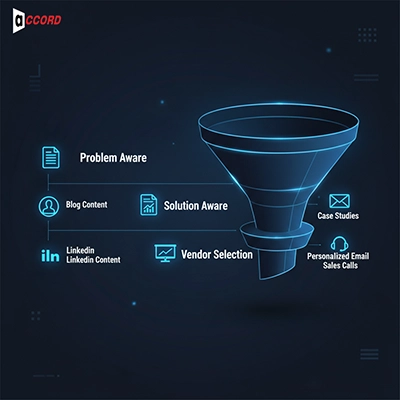
Service businesses must understand how buyers move from awareness to decision before adding more channels. B2B service buyers move in stages. Early on, prospects want to clearly understand the problem. In the middle, they want proof and reassurance. At the end, they need confidence that choosing you is the right decision.
Mapping the buyer journey helps you plan multi-channel nurturing intentionally instead of leaving it to chance. When you use the right message through the right channel at each stage, nurturing feels like helpful guidance rather than marketing pressure.
Why Single-Channel Nurturing Fails in 2026
Relying on one channel today is like fishing with one line in a crowded lake. Email open rates fluctuate. Social algorithms change weekly. Cold calls face increasing resistance. When businesses depend on only one channel, they lose visibility the moment that channel underperforms.
A multi-channel approach spreads risk while increasing relevance. If a prospect ignores your email, they might engage with a LinkedIn post. If they skip your webinar, a follow-up case study ad might catch their attention. This layered presence is what keeps your brand top of mind without feeling intrusive.
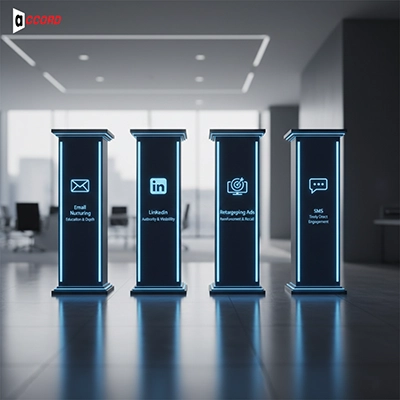
What Each Channel Needs to Do to Build Real Trust
When each channel has a clear role, multi-channel lead nurturing works best. Email is great for delivering in-depth information and ideas without overwhelming the reader. LinkedIn builds trust and authority through consistent, visible thought leadership. Retargeting ads reinforce brand presence and key messages for prospects who have already engaged. Sales outreach works best when it focuses on addressing specific pain points rather than repeating marketing messages. When these channels work together, they create a seamless experience that builds confidence rather than just competing for attention.
📖 Related: The Hidden Cost of Bad Leads in 2026: Why Volume Alone Is Killing B2B Growth | What are the Best Email Marketing Practices for 2026?
Multi-Channel Lead Nurturing Strategy for Modern Service Businesses
A strong multi-channel lead nurturing strategy starts with understanding behavior — not blasting messages. The first step is mapping the buyer journey. Early-stage leads want education. Mid-stage leads want proof. Late-stage leads want clarity and reassurance. Each stage requires different content and different channels.
For example: early awareness might include blog articles, short educational emails, and LinkedIn content. Consideration might involve case studies, comparison guides, and webinars. Decision-stage nurturing often works best with personalized email, sales calls, and retargeting ads. The key is consistency — messaging should feel connected even when delivered through different platforms.
How Lead Nurturing Improves Conversion Rates Over Time
The answer lies in timing and trust. Nurturing leads before the sales conversation helps them convert at higher rates because they already understand the problem and the value you offer. They recognize your authority. They feel familiar with your brand.
📊 Industry data shows nurtured leads make purchases that are 47% larger than non-nurtured leads — because trust reduces friction.
Conversion does not spike overnight. It compounds slowly. That is why businesses that commit early see stronger pipelines months later.
Lead Nurturing Automation for Service Businesses That Want Scale
Manual follow-ups do not scale. People forget. Calendars fill up. Leads fall through cracks. That is why lead nurturing automation for service businesses has become essential rather than optional.
Automation allows you to trigger messages based on real actions. When someone downloads a guide, they receive a follow-up email. When they attend a webinar, they get relevant next steps. When leads visit pricing pages repeatedly, the sales team gets notified. This does not replace human interaction — it supports it. Teams can focus on conversations with genuinely interested prospects instead of wasting time on cold leads that aren't ready.
One important distinction: lead generation is about getting attention — bringing people into your ecosystem through SEO, ads, referrals, and events. Lead nurturing is about relationship-building — what happens after the lead enters your system. Without nurturing, lead generation becomes expensive noise. Without lead generation, nurturing has no audience. The two must work together.
Omnichannel Marketing for B2B Services in Practice
Omnichannel marketing for B2B services is often confused with being everywhere at once. That is not the goal. The goal is coordination. When a prospect receives an email that feels intentional — especially if it matches what they saw on LinkedIn and aligns with a webinar from last week — that alignment creates clarity and confidence. In service businesses where trust matters more than impulse, that confidence often decides the deal.
The Move Toward Intelligence and Customer Journey Automation in 2026
Customer journey automation in 2026 looks very different from automation five years ago. It is no longer about static sequences. It is about adaptive journeys that respond to behavior, intent, and timing. Modern systems adjust content based on engagement — pausing when leads go cold and accelerating when interest spikes.
This intelligence allows service businesses to feel personal at scale. It also helps sales teams avoid burnout because they no longer need to guess when to reach out.
📖 Related: Cold Emails Still Work in 2026 — But Only If You Stop Doing These 7 Things | What to Look for in AI Email Marketing in 2026
A Real-Life Example
A mid-sized IT consulting firm in the US had trouble with long sales cycles. Content marketing brought in leads, but conversion rates stayed flat. They implemented multi-channel lead nurturing using email education sequences, LinkedIn retargeting, and automated follow-ups tied to webinar attendance.
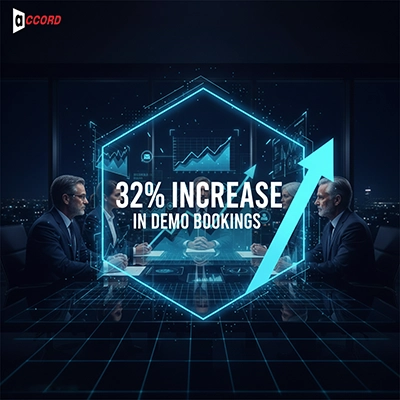
Within six months, demo bookings increased by 32%. Sales reported that prospects arrived better informed and more decisive. The offer did not change. The experience did.
Where Lead Nurturing Services for Service Businesses Fit In
Not every organization has the internal resources to design, manage, and optimize complex workflows. That is where lead nurturing services for service businesses become valuable. Outside experts bring proven frameworks, automation expertise, and performance measurement capabilities.
Accord Tech Solutions helps businesses with lead nurturing strategy, technology setup, and ongoing optimization — improving results without forcing one-size-fits-all solutions on different types of organizations.
Things to Stay Away From When Nurturing Multiple Channels
Many service businesses struggle with multi-channel nurturing not because of the tools, but because of avoidable mistakes. Sending the same message to every segment damages trust. Automating without a clear strategy creates noise. Ignoring engagement signals causes prospects to disengage. Another common problem is marketing and sales working from disconnected playbooks — making follow-ups feel repetitive or poorly timed.
Measuring What's Working Without Overcomplicating It
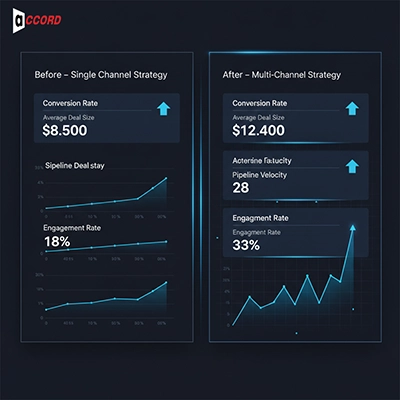
Instead of complex attribution models, focus on a few clear signals: open and click-through rates at each funnel stage, pipeline velocity (how fast deals move), and lead-to-customer conversion rate. Compare nurtured versus non-nurtured leads. Most businesses see engagement improvements long before revenue reflects the change — that is normal. The long-term effects of multi-channel lead nurturing include shorter sales cycles, higher deal values, and more consistent growth.
What the Future Holds for Service Businesses
In the future, timing and personalization will matter more than volume. AI-driven insights will make customer journey automation even more powerful in 2026 and beyond, but strategy will always come first. Service businesses that invest now will build pipelines that adapt to market changes rather than react to them.
What to Do Next
If you want to grow, start small but with purpose. Audit your current follow-up process. Identify gaps between lead capture and first sales contact. Choose two or three channels where your audience already spends time. Then build a simple, consistent multi-channel lead nurturing flow that educates, reassures, and guides. You don't need perfection. You need progress.
Frequently Asked Questions
💡 Accord Tech Solutions — Key Tips:
- Before adding more channels, make sure your messaging is consistent across existing ones.
- Automate based on what people actually do, not what you assume they will do.
- Review and refresh content every three months to stay relevant.
- Align marketing and sales on the same journey stages — not separate funnels.
- Review performance monthly, not daily — trends need time to emerge.
Final Thoughts
Growing in 2026 is no longer about shouting louder. It is about showing up smarter. Multi-channel lead nurturing helps service businesses stay relevant, trusted, and consistently connected throughout the entire decision-making process. When done right, it doesn't feel like marketing. It feels like the right information at exactly the right time.
If you want steady growth in 2026, Accord Tech Solutions lead nurturing services can help. We use a smart multi-channel approach to turn leads into long-term clients.
Continue Reading
- → Lead Generation + AI Email Marketing for ROI 2026
- → The Best AI Lead Generation Tools in 2026
- → The Hidden Cost of Bad Leads in 2026: Why Volume Alone Is Killing B2B Growth
- → What are the Best Email Marketing Practices for 2026?
- → Cold Emails Still Work in 2026 — But Only If You Stop Doing These 7 Things