
Are AI lead generation tools in 2026 actually replacing human prospecting, or are they finally making it human again?
In 2026, the best AI lead generation tools are not about replacing sales teams. They are about removing guesswork, reducing noise, and helping humans focus on conversations that matter.
AI lead generation in 2026 refers to using machine learning systems to identify buying intent through anonymized behavioral signals, allowing sales teams to engage prospects based on readiness rather than raw lead volume.
📖 Related: Why Most B2B Lead Generation Is Failing in 2026 | The Hidden Cost of Bad Leads in 2026: Why Volume Alone Is Killing B2B Growth
Why This Matters Right Now
Sales teams are drowning. Too many tools. Too many dashboards. Too many leads that look promising on paper but never reply.
In the first few weeks of 2026, several research firms quietly confirmed what many sales leaders already felt. Traditional lead generation is broken. Lists decay fast. Cold outreach fatigue is real. Buyers move anonymously long before they ever fill out a form.
That is why the conversation has shifted toward the best AI lead generation tools of 2026 that focus on automated prospecting and AI-driven intent scoring for B2B sales rather than raw contact volume. This change affects B2B founders, sales managers, revenue teams, and agencies that rely on predictable pipelines.
📊 Teams shifting to intent-based prospecting report 30–45% higher reply rates and significantly fewer unqualified conversations compared to traditional cold outreach.
What Changed in Lead Generation After 2024
A few years ago, lead generation meant scraping emails and hoping for replies. In 2026, that approach feels almost naive.
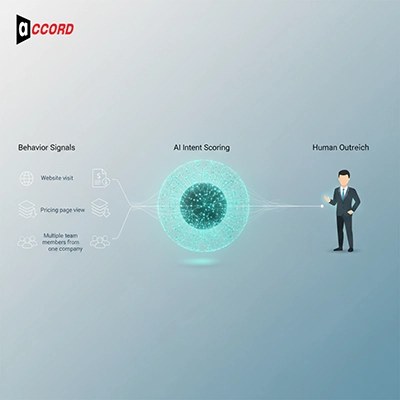
Buyers now research silently. They read comparison pages, watch product demos, revisit pricing pages, and talk internally long before sales ever gets a signal. AI stepped in not to spam harder, but to listen better.
The benefits of AI in sales prospecting are no longer theoretical. Teams that rely on behavior, timing, and context are seeing fewer leads but far higher conversion rates. This is not magic — it is pattern recognition applied at scale. As we explored in our breakdown of why most B2B lead generation is failing in 2026, the companies still chasing volume are falling behind.
Why "Best AI Lead Generation Tools 2026" Means Something Else
When people search for the best AI lead generation tools of 2026, they often expect a list of software names. That misses the point. The best tools today are not defined by features — they are defined by outcomes. These systems do three things well:
- They observe digital behavior across channels without invading privacy.
- They connect fragmented signals into a clear intent narrative.
- They trigger outreach only when timing feels natural.
This is where AI-driven intent scoring for B2B sales and automated B2B lead qualification workflows quietly outperform flashy platforms. They solve a real problem without shouting about it.
Autonomous Sales Prospecting AI Feels Less Robotic Than Humans Think
The phrase "autonomous sales prospecting AI" scares people. It sounds cold, mechanical, and uncaring. In practice, it is the opposite. These systems do not blast messages. They wait. They observe. They score readiness. They surface opportunities when a human conversation would feel welcome, not intrusive.
One mid-market SaaS company replaced three SDRs with one AI-driven prospecting layer and one senior rep. Their outreach volume dropped by half. Their meeting quality doubled.
💡 Sales leaders also report a 20–30% reduction in SDR burnout when low-intent outreach is removed from daily workflows. That is not automation replacing humans — that is automation protecting them.
B2B AI Lead Finder Software and the End of Static Lead Lists
Static lists are dead. Every sales leader knows it. But many still rely on them because alternatives felt unreliable. The real cost of clinging to outdated lists is something we covered in depth in the hidden cost of bad leads in 2026.
Modern B2B AI lead finder software does not start with contacts. It starts with accounts, actions, and signs that someone is ready to buy. Instead of asking "Who should we email?" it asks "Which companies are actively working on the problem we solve?" This shift is small but enormously powerful — making sales align with how buyers actually behave in 2026.
📖 Related: Lead Generation + AI Email Marketing for ROI 2026 | Why Multi-Channel Lead Nurturing is the Secret to Scaling Your Service Business This Year
Real-Time Intent Data Tools and Why Timing Beats Personalization
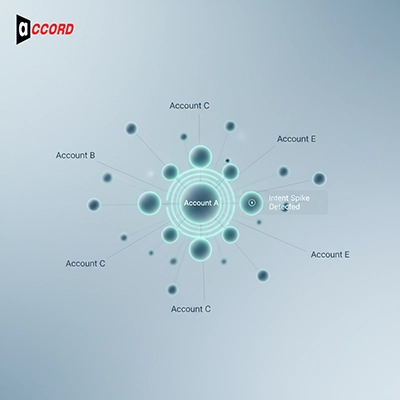
Personalization used to be king. Now timing rules everything. Real-time intent data tools detect patterns like repeated visits to solution pages, sudden spikes in content consumption, or internal sharing behavior across teams. These signals matter more than a first name in a subject line.
According to Gartner's research on the B2B buying journey, buyers spend only 17% of their total purchase journey meeting with potential suppliers — meaning the silent research phase is where intent truly forms. Sales teams using intent data often describe it as an unfair advantage. Not because it manipulates buyers, but because it respects their readiness.
How Does AI Lead Generation Actually Work?
At its core, AI lead generation connects data points humans cannot process fast enough. It looks at digital footprints, compares them with historical buying journeys, and predicts the likelihood to convert. AI does not guess — it learns from thousands of similar journeys and applies those patterns carefully and consistently.
How AI Identifies High-Intent Leads Without Crossing Ethical Lines
In a time when privacy is critically important, modern systems use anonymized behavioral data — not personal surveillance. They analyze patterns like content depth engagement, frequency of visits, and topic progression from one category to another. This approach respects the ethical considerations of AI lead generation while still delivering genuine value.
The Process of AI Lead Generation
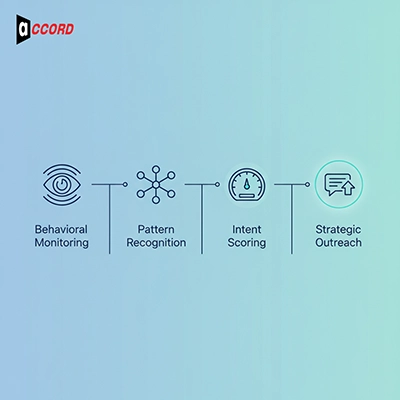
The AI Lead Generation Workflow (Simplified):
- Observe behavioral signals across channels
- Identify patterns consistent with purchase intent
- Score readiness based on historical conversion patterns
- Suggest the right action at the right time
The AI lead generation workflow doesn't feel like automation — it feels like having an experienced sales strategist quietly tell you when to engage and when to wait.
Real-World AI Lead Generation Examples
One B2B IT company saw a sudden rise in engagement from healthcare accounts. AI caught it before any sales rep noticed. Outreach happened within hours, not weeks — and conversion rates were significantly higher because timing was right.
Another startup stopped reaching out to a prospect because their intent scores dropped suddenly. Two months later, engagement returned stronger than before. That patience, guided by AI, paid off.
Best Lead Generation Company vs. Owning AI In-House
Some businesses prefer hiring a specialist rather than running their own AI systems. Others invest in platforms and learn to manage them internally. Both approaches work — alignment to your team's capabilities is what counts.
If you are rethinking how cold outreach fits into this mix, our guide on converting cold leads into high-value contracts using AI-driven email marketing walks through the full workflow in practical terms.
AI Lead Generation vs Traditional Lead Generation in 2026
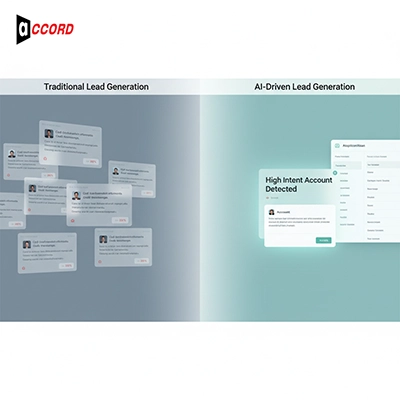
When comparing AI lead generation vs traditional lead generation, the difference is not technology — it is philosophy. Traditional methods push messages outward. AI-driven systems pull insight inward. One chases attention. The other earns it.
Benefits and Limitations of AI Lead Generation
The benefits include better timing, less wasted outreach, and calmer sales teams. The limitations include dependence on data quality and the risk of becoming too automated — removing the human judgment that closes deals. AI does not replace judgment. It sharpens it.
The Future of AI Lead Generation Feels Quieter
The future of AI lead generation is not louder or faster. It is quieter, more contextual, and deeply human. The best systems disappear into workflows — they do not announce themselves. They simply help sales teams show up at the right moment.
For teams still relying on cold email as their primary outreach channel, understanding what is actually breaking cold email in 2026 is a worthwhile starting point. Once your outreach is timed correctly, pairing it with the best email marketing practices for 2026 ensures those conversations actually convert.
📖 Related: What to Look for in AI Email Marketing in 2026 | Your Website Isn't Broken, It's Just Built for the Wrong Buyer in 2026
People Also Ask
Strategic Recommendation for 2026
Focus less on lead quantity. Invest in intent visibility. Protect human judgment. Choose systems that wait as well as act.
Final Takeaway
The best AI lead generation tools of 2026 are not about automation. They are about awareness. When sales teams stop shouting and start listening, AI becomes less of a tool and more of a quiet partner. That is not the future people feared. It is the future many were hoping for.
Continue Reading
- → Why Most B2B Lead Generation Is Failing in 2026
- → Lead Generation + AI Email Marketing for ROI 2026
- → Why Multi-Channel Lead Nurturing is the Secret to Scaling Your Service Business in 2026
- → Cold Emails Still Work in 2026 — But Only If You Stop Doing These 7 Things
- → What are the Best Email Marketing Practices for 2026?